What Rice Is Best for Paella
As a food enthusiast who has lived in Spain for over ten years, I can responsibly tell everyone that choosing the right rice is key to making authentic paella with paella seasonings. Many friends ask me why their homemade paella never tastes authentic enough - the problem often lies in rice selection, along with proper paella seasoning guide.
Traditional Spanish Paella Rice Varieties
In Spain, the most commonly used rice for making paella is Arroz rice, especially short-grain rice from the Valencia region. This rice has shorter, rounder grains with strong water absorption capacity, allowing it to absorb the essence of seafood and saffron perfectly. Never use long-grain rice or Thai jasmine rice - the texture will be completely wrong.
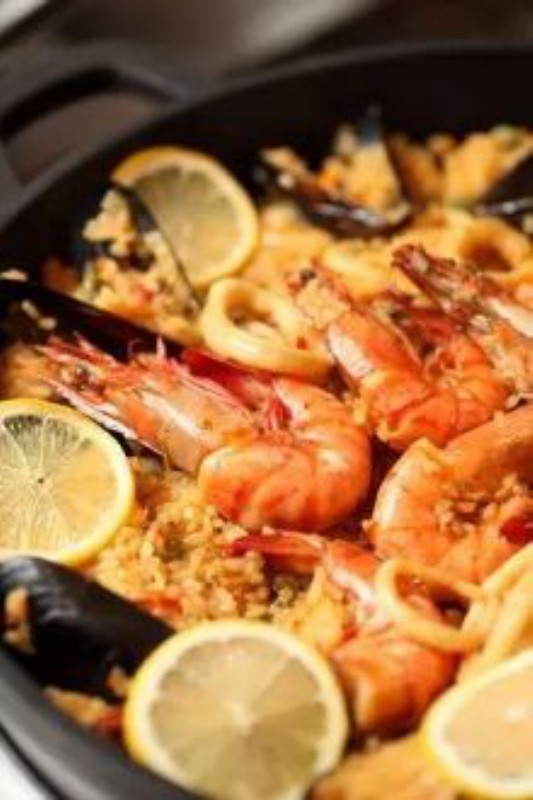
Comparison of Different Rice Types
| Rice Type | Water Absorption | Texture Characteristics | Suitability |
|---|
| Arroz Short-grain | Very Strong | Distinct grains, slightly chewy | Best |
| Carnaroli Rice | Strong | Creamy texture, slightly sticky | Very Good |
| Regular Long-grain | Average | Too dry and hard | Not Recommended |
| Thai Jasmine Rice | Weak | Too loose | Not Recommended |
If you can’t find authentic Spanish rice, Carnaroli rice is an excellent substitute. This Italian rice, originally used for risotto, works well for paella too, maintaining grain integrity while absorbing sufficient broth. Quality saffron pairs perfectly with the right rice choice.
Purchasing and Storage Tips
In Spanish Asian supermarkets or large chain stores, you can find specialized paella rice, usually labeled “Para Paella” on the packaging. While it costs more than regular rice, the difference in results is significant. Don’t skimp on rice quality to save money - it really affects the entire dish’s quality.
After purchasing, store rice in a dry, cool place. Once opened, keep it in an airtight container to maintain freshness and water absorption capacity. Generally, high-quality paella rice can be stored for about a year without deteriorating.
