Essential Seasoning Techniques for Paella
As a food enthusiast who has lived in Madrid for five years, I’d like to share some insights on making authentic paella seasoning. Many friends ask me why their homemade paella lacks that authentic Spanish flavor - the key lies in the seasoning details.
Proper Use of Saffron
Saffron is the soul of paella, but many people use it incorrectly. The proper method is to steep it in warm water 15 minutes ahead of time, with water temperature between 60-70 degrees. Never use boiling water, as it will destroy the aromatic compounds of saffron. Generally, 500 grams of rice requires 0.3-0.5 grams of saffron, achieving a golden yellow color.
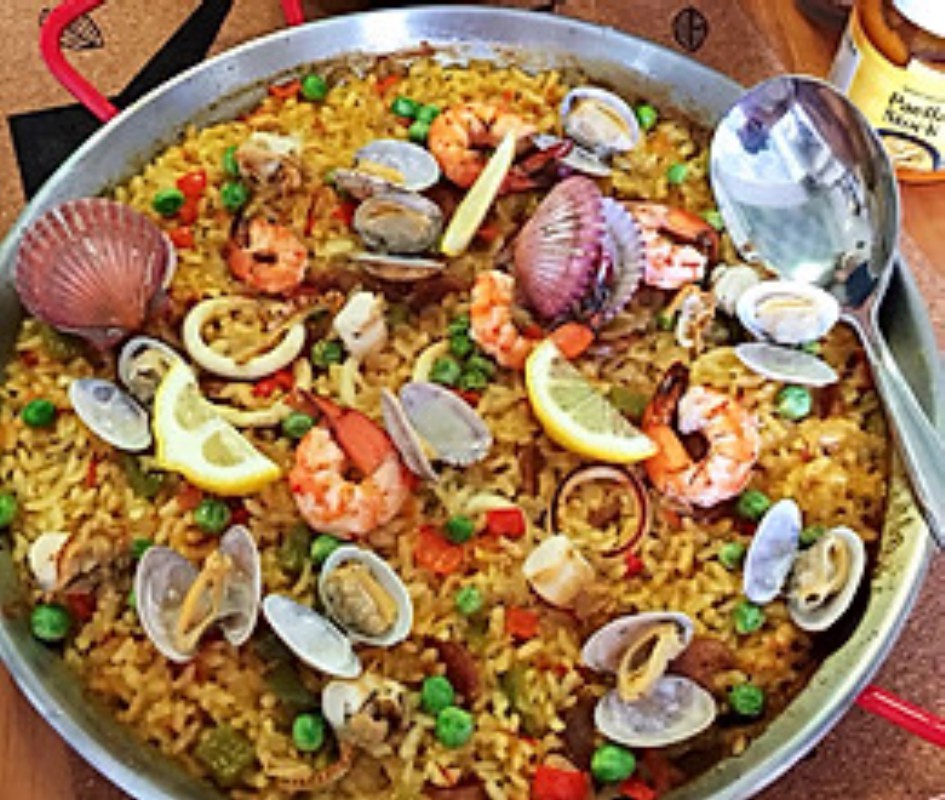
Olive Oil and Seasoning Combinations
High-quality extra virgin olive oil is indispensable, preferably from Spanish local brands. The golden ratio for seasonings is as follows:
| Seasoning | Amount | Purpose |
|---|
| Salt | 8-10g | Basic seasoning |
| Sweet paprika | 1 tsp | Color and aroma |
| Rosemary | 2-3 sprigs | Layer enhancement |
| Lemon juice | Half lemon | Deodorizing and acidity |
When sautéing, first use olive oil to fragrance garlic and onions - this process is crucial for the olive oil to fully absorb the garlic aroma. Be careful not to use too high heat to avoid burning the garlic.
Secrets of Stock Preparation
Good paella requires seafood stock, not plain water. I usually simmer shrimp heads, fish bones, mussel shells for 30 minutes, adding bay leaves and black peppercorns. The stock-to-rice ratio is approximately 3:1, ensuring the rice grains are plump and flavorful.
Finally, remember: don’t stir frequently! Authentic paella aims to form a thin layer of caramelized rice at the bottom called “socarrat,” which is an important standard for judging paella success. Maintain medium-low heat throughout the cooking process, allowing the rice to slowly absorb the essence of the broth.
