As a cooking enthusiast who has lived in Spain for many years, I want to share my experience in choosing the right paella pan with you. After all, a good pan is the foundation for making authentic paella, and choosing the wrong cookware can really affect the final taste and results, especially when paired with the right paella seasonings.
Material Selection is Key
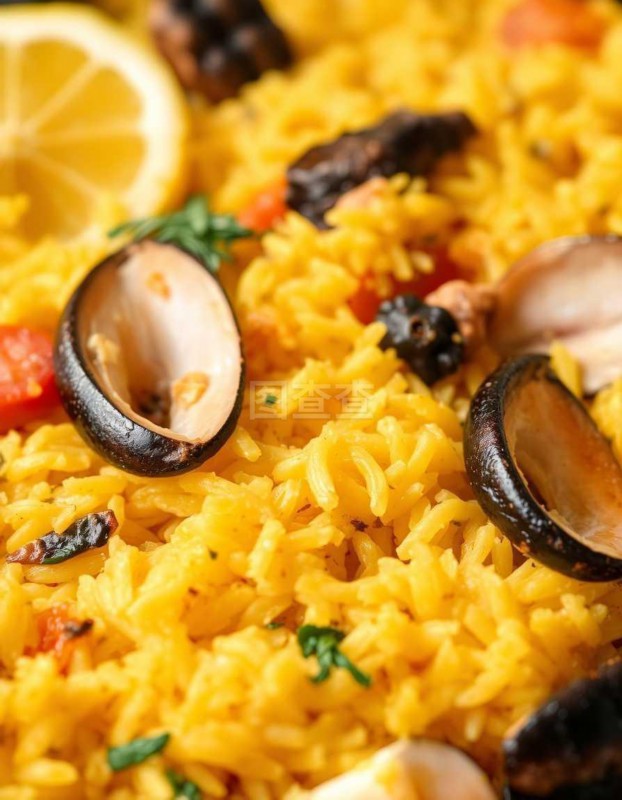
Paella pans come in several materials: carbon steel, stainless steel, enamel, and aluminum. After multiple experiments, I personally recommend carbon steel paelleras. Carbon steel provides even heat distribution and creates that crucial caramelized rice layer at the bottom called socarrat, which is an essential characteristic of authentic paella that pairs perfectly with saffron. While stainless steel is easy to clean, its heat conductivity is somewhat inferior. Aluminum pans are lightweight and affordable but tend to warp easily, making them unsuitable for long-term use.
Size Selection Should Be Reasonable
When choosing pan size, base your decision on the number of diners. Generally speaking, each person requires approximately 5-6 centimeters of pan diameter. This table can help you make a quick selection:
| Number of Diners | Recommended Diameter | Suitable Occasion |
|---|
| 2-3 people | 30-32cm | Family meals |
| 4-6 people | 38-42cm | Friend gatherings |
| 8-10 people | 50-55cm | Large gatherings |
| 12+ people | 60cm+ | Festival events |
Remember, a pan that’s too small will make the rice pile too thick, affecting even heating; one that’s too large will spread the ingredients too thin, losing the proper layered texture.
Pan Bottom Design is Important
A good paella pan should have a relatively flat bottom to ensure the rice spreads in a thin layer for more even heating. Never choose pans with deeply concave centers, as they will produce paella with very uneven texture. The edges should slope slightly outward to facilitate stirring and serving.
Handles and Maintenance
Dual-handle design is essential, especially for large-sized pans. I recommend choosing heat-resistant iron handles. While they require gloves for handling, they’re more durable than plastic handles. For maintenance, carbon steel pans should be cleaned promptly after use and coated with a small amount of olive oil to prevent rust, just like caring for cast iron cookware.
Finally, don’t be tempted by extremely low-priced pans. Poor quality pans not only affect cooking results but may also pose safety hazards when working with paella seasonings. Choose products from reputable brands. While the initial investment may be higher, it’s definitely worth it in the long run. I hope this experience can help friends who want to make authentic paella at home!
