Common Issues in Paella Making
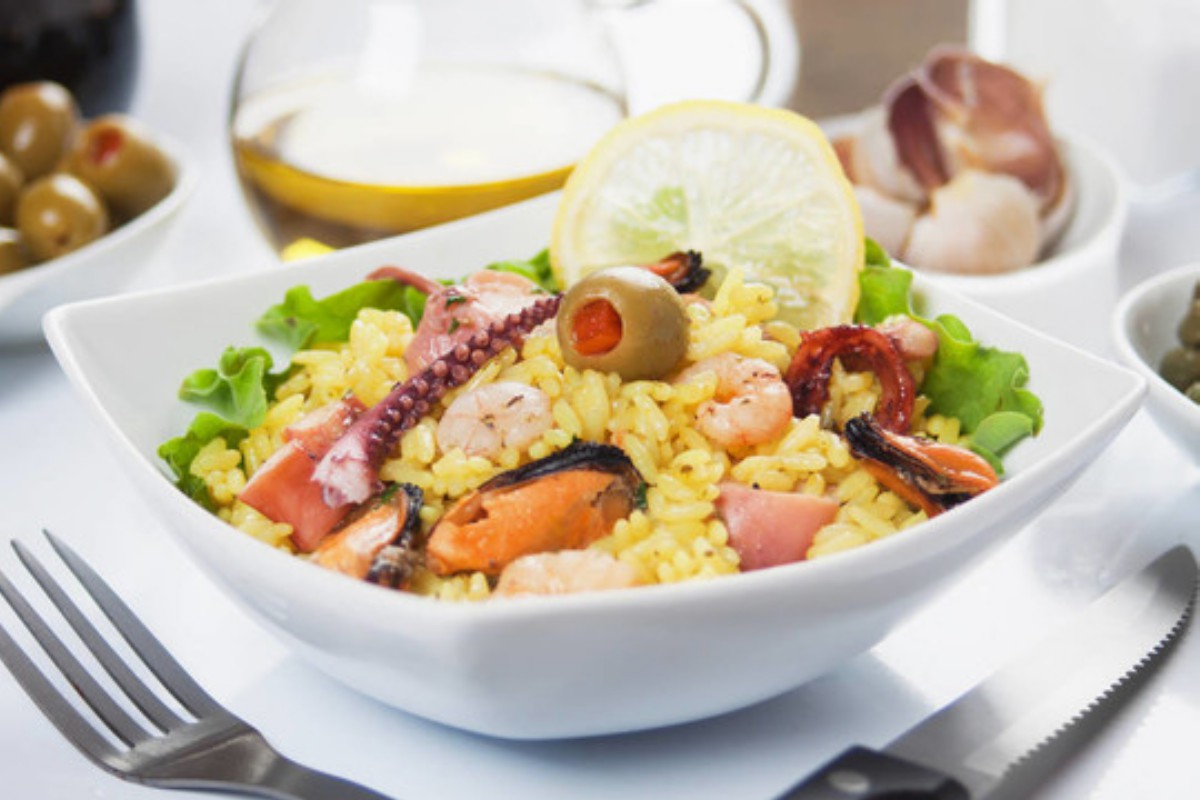
As a Chinese person who has lived in Spain for many years, I have deeply fallen in love with the paella culture here. But honestly, when I first started learning to make paella, it was truly a tearful experience. The most frustrating part was constantly burning the bottom of the pan. After countless failures and lessons learned, I finally mastered some practical techniques, and today I’d like to share them with everyone.
Heat Control is Key
The main reason many people fail at making paella is improper heat control. Never use high heat throughout the entire process, which is the most common mistake made by Spanish paella beginners. The correct approach is: use medium heat when sautéing ingredients, switch to medium-low heat after adding rice, and use low heat during the final reduction stage. Throughout the process, pay attention to the sounds from the bottom of the pan. If the sizzling becomes too intense, immediately reduce the heat.
| Cooking Stage | Heat Setting | Notes |
|---|
| Sautéing ingredients | Medium heat | Avoid burning ingredients |
| Adding rice | Medium-low heat | Allow rice to absorb liquid properly |
| Final reduction | Low heat | Prevent bottom from burning |
Precise Liquid Ratios
The success of paella largely depends on the amount of liquid used. Generally, the ratio of rice to liquid should be controlled between 1:2.5 to 1:3. Too little liquid causes burning, while too much turns it into porridge. It’s recommended to use seafood stock or chicken broth for better flavor. If you only have water for paella making, remember to add appropriate seafood seasoning powder to enhance the taste.
Choose the Right Cookware
A traditional paella pan is the ideal choice, but if you don’t have one, you can also make electric rice cooker Spanish paella using a thick-bottomed frying pan. Thick-bottomed pans distribute heat better, avoiding local overheating that causes burning. The size of the pan is also important - too small creates rice layers that are too thick and hard to cook through; too large may cause liquid to evaporate too quickly.
Finally, I want to remind everyone that making paella requires patience, don’t rush the process. When you smell a light toasted aroma, this is usually a good sign, indicating that a perfect socarrat (crispy bottom layer) is forming. But if you smell obvious burning, immediately turn off the heat and remove the pan from the heat source. I hope these tips help everyone make perfect paella!
