As a food enthusiast who has lived in Spain for many years, I’ve found that many friends want to learn how to make authentic paella, but often overlook the most crucial step—preparing the broth. The success of a good paella depends entirely on this stock. Today I’ll share the traditional broth-making method I learned from a local grandmother.
Basic Ingredient Preparation
First, let’s talk about ingredient selection. Fresh seafood shells are the essence of broth-making—shrimp heads and shells, crab shells, and mollusk shells should never be wasted. If you live in a coastal city, I recommend going directly to the fish market for some fish bones and shrimp shells, which vendors usually give away for free. For vegetables, onions, carrots, and celery are the classic trio, plus garlic, bay leaves, and some parsley.
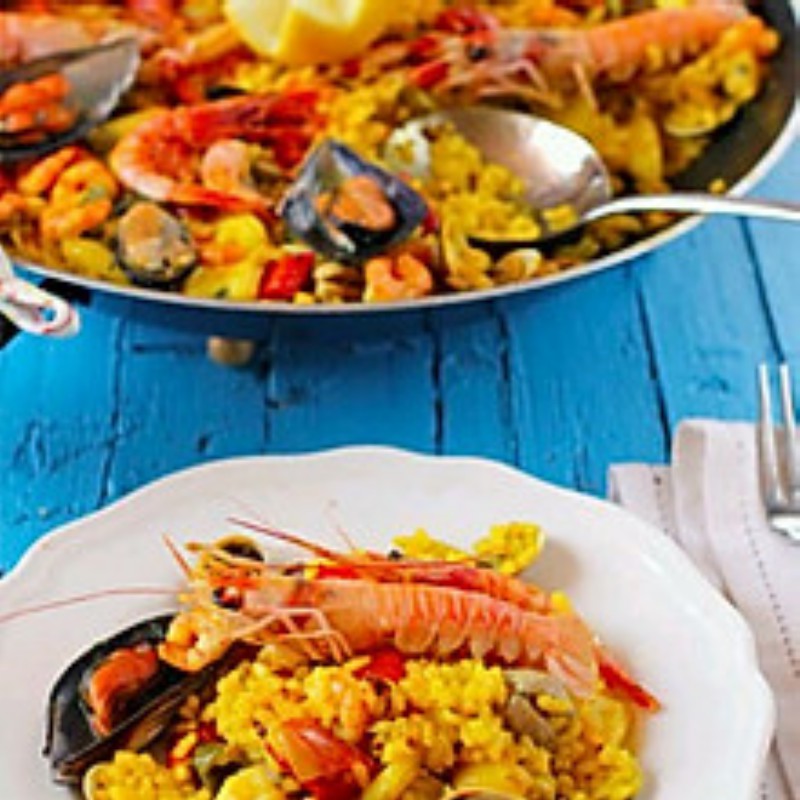
When starting the broth, first sauté the seafood shells in olive oil—this step is crucial for releasing rich seafood aromas. Sauté until the shells change color, then add chopped onions, carrots, and celery, continuing to cook for 5 minutes. Then add sufficient water, using one-third more than the final amount needed, as it requires long simmering to concentrate.
Heat control is also important: bring to a boil over high heat, then reduce to low heat and simmer slowly for at least 1.5 hours. Continuously skim off foam to maintain clear broth. If you want a richer flavor for your paella preparation, you can add some tomato paste and white wine, but not too much to avoid masking the natural sweetness of the seafood.
| Ingredient Type | Specific Materials | Recommended Amount |
|---|
| Seafood Shells | Shrimp heads/shells, crab shells, mollusk shells | 500g |
| Vegetables | Onions, carrots, celery | 1 each |
| Herbs | Bay leaves, parsley, garlic | As needed |
| Seasonings | Olive oil, salt, white pepper | As needed |
Straining and Seasoning
After the broth is ready, straining is most important. I usually strain twice through a fine mesh sieve to ensure the broth is clear and free of debris. If possible, strain once more through cheesecloth for an even purer stock. Be cautious when seasoning, as seafood naturally contains salt—I recommend tasting first before deciding whether to add more salt.
The broth prepared this way displays a light golden color and carries a rich oceanic aroma. Using it to make paella allows the rice grains to fully absorb the seafood essence, with every bite bursting with fresh flavor. If you prepare a large batch for your rice cooker Spanish paella, you can portion and freeze it for convenient future use.
