Are You Making These Common Paella Mistakes?
I’ve been experimenting with making paella at home recently and encountered quite a few pitfalls that I’d like to share with you. As someone who has lived in Spain for many years, I’ve seen too many friends make mistakes when preparing paella. Today, I’ll discuss the most common issues.
Choosing the Wrong Rice Type
Many people think any rice will work for paella - this is the biggest mistake when making Spanish seafood paella. Never use long-grain rice or Thai jasmine rice! Authentic paella requires short-grain rice, such as Bomba or Calasparra rice. These varieties have excellent absorption properties and won’t become mushy, maintaining distinct, separate grains. If you can’t find specialty paella rice, Italian risotto rice can substitute, but absolutely avoid regular long-grain rice.
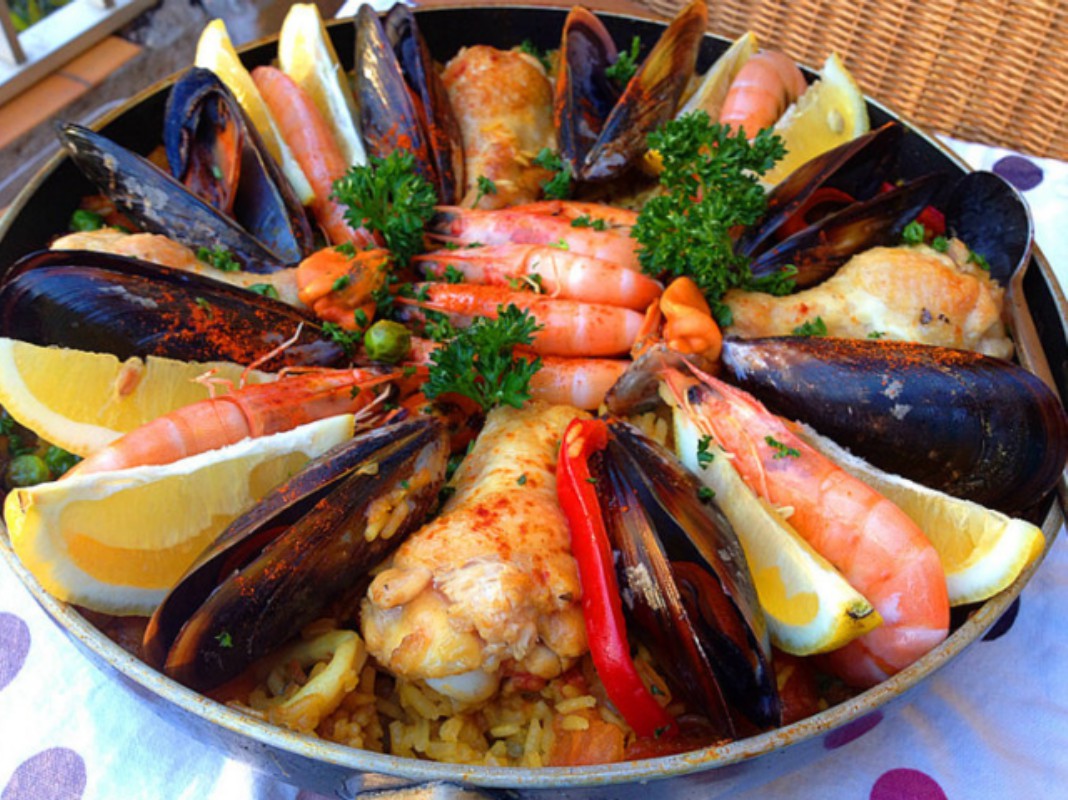
Improper Seafood Handling
The second common mistake is incorrect seafood preparation. Many people, for convenience, add all seafood to the pan simultaneously, resulting in some pieces being overcooked while others remain undercooked. The correct approach is to add different seafood in batches according to their cooking requirements. For example, shrimp needs less cooking time, while shellfish requires longer. Additionally, frozen seafood must be completely thawed and drained, otherwise it will affect the dish’s overall flavor.
| Seafood Type | Recommended Cooking Time | Key Points |
|---|
| Large Shrimp | 3-4 minutes | Devein, keep shells on |
| Clams | 5-8 minutes | Purge sand first, cook until opened |
| Squid | 2-3 minutes | Cut into rings, avoid overcooking |
| Mussels | 6-10 minutes | Clean thoroughly, remove beards |
Incorrect Heat Control
Heat control is crucial for perfect paella, but many beginners struggle with this aspect. Start with high heat to allow the rice to fully absorb the aromatic flavors from the broth, then reduce to medium-low heat for gentle simmering. In the final few minutes, you can increase the heat slightly to create a thin layer of socarrat (crispy bottom), giving the paella its characteristic texture layers. Remember, don’t stir frequently throughout the process, as this will break the rice grains.
Seasoning Errors
Saffron is the soul of paella, but many people don’t know how to use it properly. Simply throwing saffron threads directly into the pot is wrong! The correct method is to first steep the saffron in a small amount of warm water or hot broth, allowing it to fully release its color and aroma before adding to the pan. Also, control salt carefully since seafood already contains natural saltiness - over-seasoning will mask the seafood’s delicate flavors.
Incorrect Broth Ratio
The final common mistake is poor liquid-to-rice ratio management. Some people following seafood paella recipes think more liquid is better, ending up with seafood porridge instead of paella. Generally, the broth-to-rice ratio should be approximately 2.5:1 to 3:1. When making rice cooker Spanish paella, insufficient liquid will result in undercooked rice, while too much will create a mushy texture that lacks proper consistency.
I hope these shared experiences help friends who want to try making paella. Creating paella certainly requires some technique, but by avoiding these common mistakes, I believe everyone can make delicious paella!
