As a food enthusiast who has lived in Spain for many years, I’ve found that many friends want to learn how to make authentic paella, but often overlook the most crucial step—preparing the stock. The success of a good paella lies entirely in this foundation broth. Today I’ll share the traditional stock-making method I learned from local grandmothers.
Basic Ingredient Preparation
First, let’s talk about ingredient selection. Fresh seafood shells are the essence of stock preparation, including shrimp heads and shells, crab shells, and mollusk shells—nothing should be wasted. If you live in a coastal city, I recommend going directly to the fish market to ask for fish bones and shrimp shells, which vendors usually give away for free. For vegetables, onion, carrot, and celery form the classic trio, plus garlic, bay leaves, and some parsley.
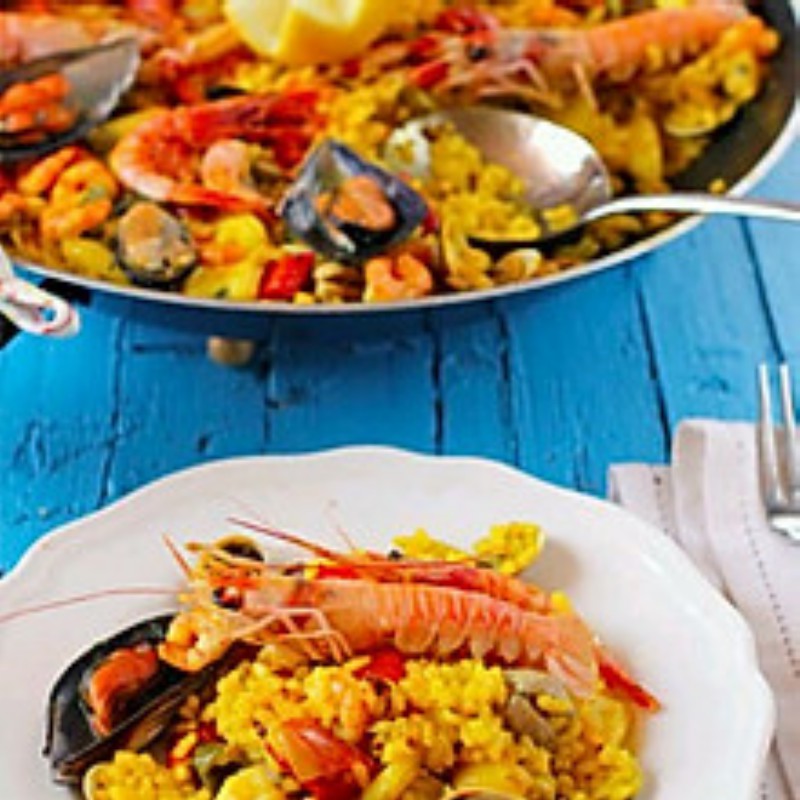
When beginning stock preparation, first sauté the seafood shells in olive oil—this step is crucial as it releases intense seafood aromas. Cook until the shells change color, then add chopped onion, carrot, and celery, continuing to sauté for 5 minutes. Next, pour in sufficient water, using one-third more than the final amount needed, as it requires long cooking to concentrate.
Heat control is also important: start with high heat to bring to a boil, then reduce to low heat and simmer for at least 1.5 hours. Continuously skim off foam during this time to maintain clear broth. For more intense flavor in your paella preparation, you can add some tomato paste and white wine, but use sparingly to avoid masking the natural sweetness of the seafood.
| Ingredient Type | Specific Materials | Recommended Amount |
|---|
| Seafood Shells | Shrimp heads/shells, crab shells, mollusk shells | 500g |
| Vegetables | Onion, carrot, celery | 1 each |
| Herbs | Bay leaves, parsley, garlic | As needed |
| Seasonings | Olive oil, salt, white pepper | As needed |
Straining and Seasoning
After the stock is ready, straining is most important. I typically strain twice through a fine mesh sieve to ensure clear, debris-free broth. If possible, strain once more through cheesecloth for an even purer stock base. Be cautious when seasoning, as seafood naturally contains salt—taste first before deciding whether to add more.
Stock prepared this way displays a light golden color and carries rich oceanic aromas. When used for paella, the rice fully absorbs the seafood essence, making every bite burst with fresh flavors. If you prepare larger quantities for electric rice cooker Spanish paella, you can portion and freeze the stock for convenient future use.
