As a cooking enthusiast who has lived in Spain for many years, I want to share my practical experience with rice-to-water ratios when making paella. This topic seems simple, but there’s actually quite a bit of knowledge involved.
Basic Ratio Principles
The rice-to-water ratio for paella typically ranges from 1:2.5 to 1:3, and this ratio can be adjusted based on the rice variety and personal preference. My personally recommended golden ratio is 1 cup of rice to 2.8 cups of stock, which produces rice that’s neither too dry nor too wet. It’s important to note that the liquid here should preferably be seafood stock rather than plain water, as this will create a much richer flavor. You can find more details about authentic Spanish paella preparation techniques.
Different types of rice require varying amounts of liquid:
| Rice Type | Rice-to-Water Ratio | Cooking Time |
|---|
| Short-grain rice | 1:2.5 | 18-20 minutes |
| Medium-grain rice | 1:2.8 | 20-22 minutes |
| Long-grain rice | 1:3 | 22-25 minutes |
Adjustment Techniques in Practice
During actual preparation, I’ve found several factors that affect the final rice-to-water ratio. First is the material and thickness of the paella pan - thick-bottomed pans retain heat well and have slower water evaporation, so you can reduce the liquid slightly. Second is heat control: bring to a boil over high heat, then reduce to medium-low heat, as the flame intensity during this stage directly affects the evaporation rate.
I also want to emphasize that the timing of adding seafood is crucial. I usually add seafood when the rice is halfway cooked, ensuring that the seafood’s flavor infuses the rice without the seafood’s released juices affecting the predetermined rice-to-water ratio. Some people like to add all ingredients at the beginning, but this easily leads to liquid control issues.
Common Problems and Solutions
Many friends ask me why their paella turns out either too dry or too wet when following online ratios. This is mainly because they haven’t considered local climate and altitude. In drier regions, water evaporates quickly and requires additional liquid, while in humid environments, you should reduce accordingly.
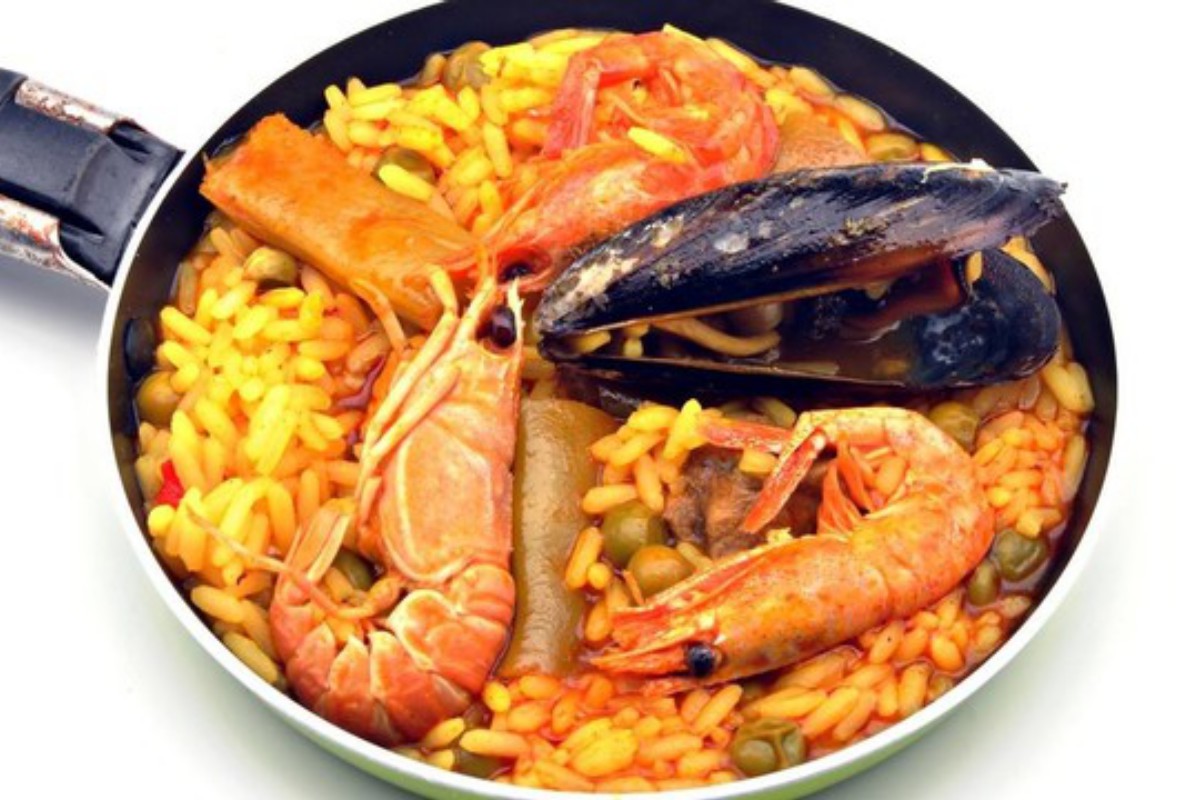
My recommendation is to start with a 1:2.8 ratio, then make fine adjustments based on actual results. Remember, perfect paella should have plump but non-sticky rice grains, with a light socarrat (crust) at the bottom being ideal. If you find your paella preparation too dry, add 0.2 cups more liquid next time; if your rice cooker Spanish paella is too wet, reduce accordingly.
Through multiple practice sessions and adjustments, I believe everyone can find the perfect ratio that suits their taste and cookware. The charm of paella lies in this continuous process of exploration and refinement - each small adjustment can bring new surprises.
