Recently I’ve been trying to make seafood paella at home, and after several attempts, I couldn’t achieve that perfect grain-separated texture - it was either too wet or too dry. After consulting with several Spanish friends, I’ve summarized some valuable experience to share with everyone.
Choosing the Right Rice Variety
The most crucial aspect of making seafood paella is selecting the right rice. Never use regular long-grain rice - you must use short-grain or medium-grain rice. In Spain, people typically use Bomba rice or Calasparra rice, which have strong water absorption but don’t easily become mushy. If you can’t find these specialized rices for Spanish seafood paella, Italian Arborio rice makes an excellent substitute.
| Rice Variety | Water Ratio | Suitability |
|---|
| Bomba Rice | 1:3 | Best |
| Calasparra Rice | 1:2.5 | Very Good |
| Arborio Rice | 1:2.5 | Good |
| Regular Long-grain | 1:2 | Not Recommended |
Heat and Timing Control
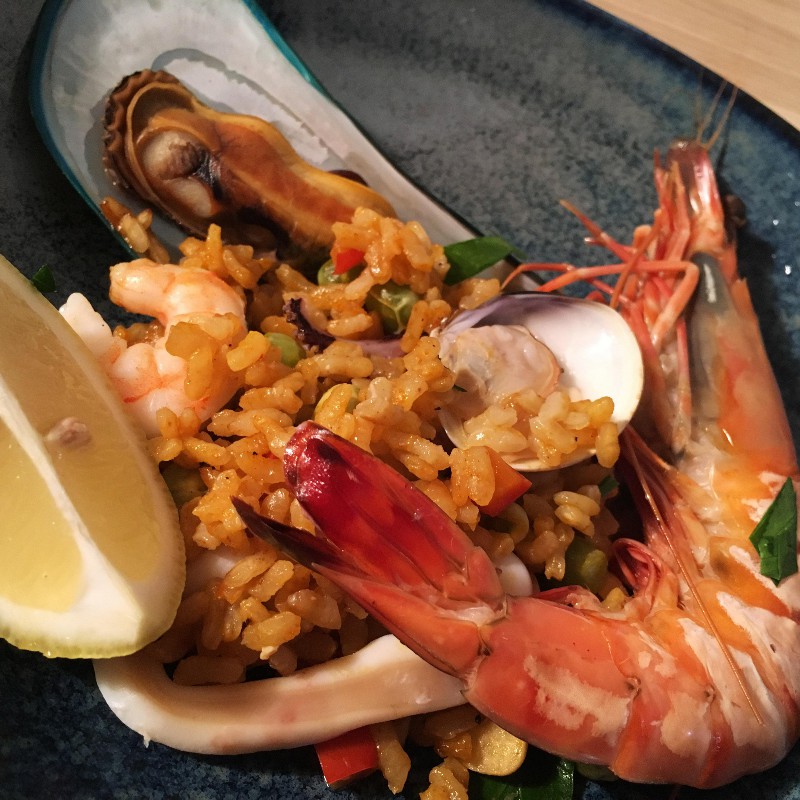
Many people fail at making seafood paella because they don’t master the heat control properly. The correct method is to start with high heat to bring it to a boil, then reduce to medium-low heat. The entire process takes about 18-20 minutes, during which you must never stir to keep the rice grains intact. In the final few minutes, you can increase the heat slightly to create that crispy bottom layer called socarrat, as shown in this paella making guide.
The Key to Stock and Seasoning
The type of stock you use directly affects the final taste. It’s best to prepare a seafood stock in advance using shrimp heads and crab shells, so every grain of rice is infused with seafood flavor. Saffron is absolutely essential - it not only gives the rice a beautiful golden color but also adds a unique aroma. Remember to soak the saffron in warm water beforehand, then add both the saffron and the soaking water.
Here’s a final tip: don’t add the seafood at the beginning of cooking. Add it when the rice is almost done, as demonstrated in this rice cooker Spanish paella tutorial. This ensures the seafood stays tender while preventing the rice from becoming too moist. Master these key points, and making grain-separated seafood paella at home won’t be difficult anymore.
