Perfect Rice Juice Absorption Techniques
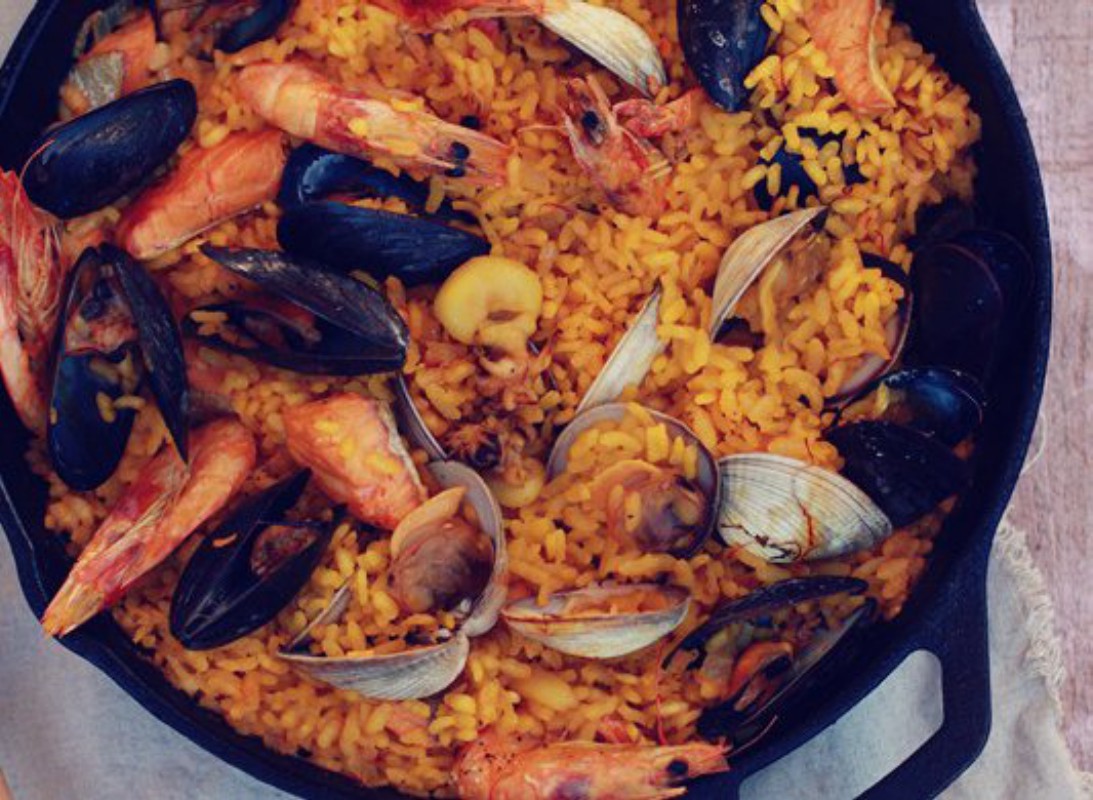
As a food enthusiast who has lived in Spain for many years and loves Spanish seafood paella, I’ve noticed many friends struggle with the same issue: their rice turns out dry and fails to absorb the essence of flavorful broths. Today I’ll share some tips for making rice fully absorb delicious juices.
Choose the Right Rice Variety
Different rice varieties have vastly different water absorption capacities. Short-grain rice absorbs juices better than long-grain varieties due to its higher starch content and ability to form a more adhesive surface. The Bomba rice commonly found in Spanish supermarkets is perfect for paella precisely because of its excellent absorption qualities.
Pre-treatment is Key
Many people overlook the rice pre-treatment step when making seafood paella. Soaking rice for 15-30 minutes allows the grains to absorb water and expand, preparing them for better juice absorption later. Remember not to soak too long, as the grains may break apart.
| Soaking Time | Best For |
|---|
| 15 minutes | Regular broth rice dishes |
| 30 minutes | Thick sauce preparations |
| 45 minutes+ | Not recommended, grains break |
Control Heat and Timing
Heat control is the core of successful absorption. Start with high heat to bring the broth to a boil, then reduce to low heat for slow cooking. This allows the broth’s flavors to gradually penetrate each grain. Avoid frequent stirring during cooking to prevent breaking the rice structure.
Proper Liquid Ratios Matter
Generally, the ratio of rice to liquid should be between 1:1.5 to 1:2 for best results. Too little liquid leaves rice undercooked, while too much makes it overly soft. Adjust this ratio based on personal preference and specific dishes. Some people prefer a 1:3 ratio for electric cooker Spanish seafood paella, but I find that too soft.
With these techniques mastered, everyone can create perfectly absorbed, flavor-rich rice. Feel free to share your other cooking insights in the comments!
