As a food enthusiast who has lived in Spain for many years, I’ve noticed that many friends often encounter failures when making Spanish paella. Today I want to share the most common issues, hoping to help friends who are learning this classic dish.
Improper Rice Selection and Handling
The primary reason many people fail at making paella is rice selection. Regular long-grain rice or Asian rice varieties are not suitable for paella. It’s best to choose Spanish Bomba rice or Italian Arborio rice. These short-grain varieties have strong water absorption properties and can effectively absorb the flavors of the stock. Additionally, never wash the rice beforehand - the starch on the surface is crucial for maintaining the proper texture.
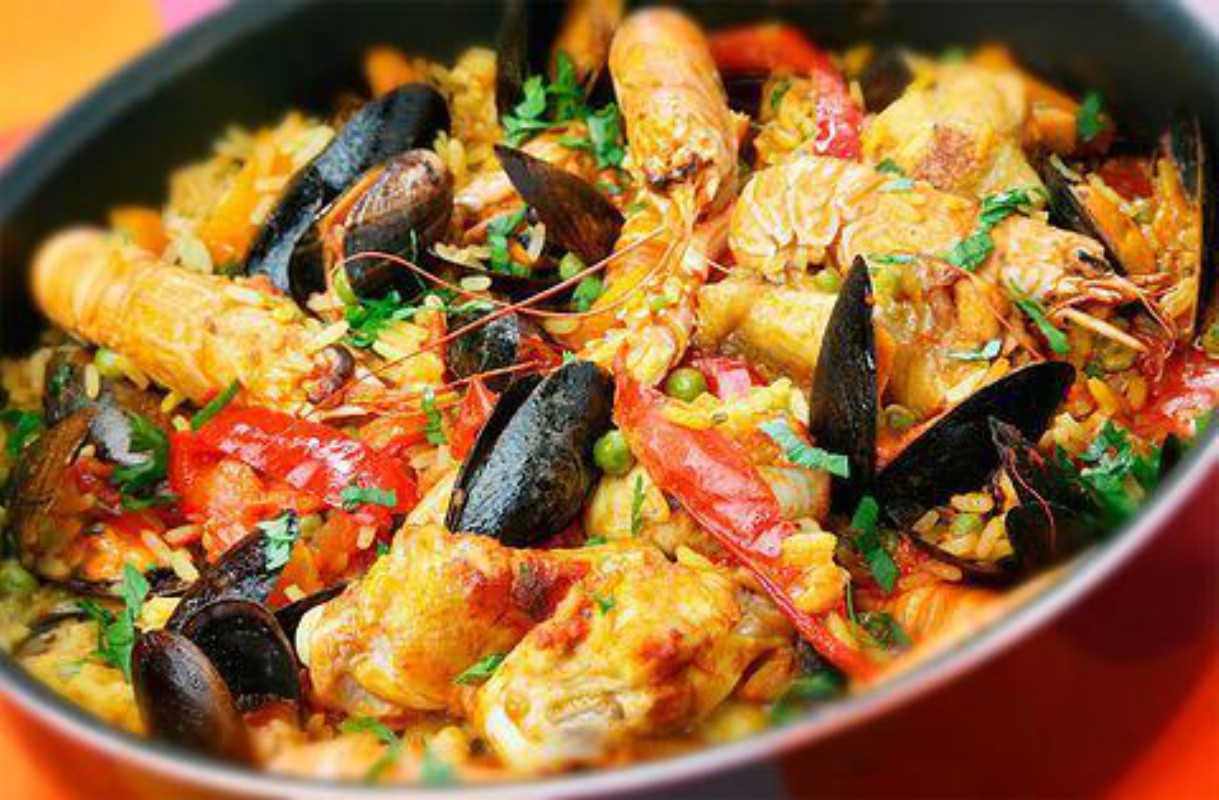
Heat Control Mistakes
Heat control is the key factor determining paella’s success or failure. Many beginners either use too high heat and burn the bottom, or too low heat resulting in undercooked rice. The correct approach is to start with medium-high heat to bring the liquid to a boil, then reduce to medium-low heat for slow cooking. Remember, good paella should have a thin layer of crispy bottom crust, but not burnt.
| Stage | Heat Level | Duration |
|---|
| Sautéing ingredients | Medium-high | 5-8 minutes |
| Adding rice and stirring | Medium | 2-3 minutes |
| Adding stock and simmering | Medium-low | 15-20 minutes |
Stock Quality and Quantity Issues
The quality of stock directly affects the flavor of paella. Many people take shortcuts by using plain water or low-quality stock cubes, resulting in bland paella. It’s recommended to prepare seafood stock using fish bones and shrimp shells, or at least use high-quality chicken stock. The ratio of stock to rice should be approximately 3:1, with liquid completely covering the rice grains.
Incorrect Saffron Usage
Saffron is the soul seasoning of paella, but many people don’t know how to use it properly. Adding saffron threads directly to the pot is the wrong approach. The correct method is to first soak the saffron threads in a small amount of warm stock for 5-10 minutes, allowing them to fully release their color and aroma, then add both the threads and soaking liquid to the pot.
Excessive Stirring Ruins Texture
This is a common mistake many Asian friends make, habitually stirring the rice. However, when making paella preparation, once the stock is added, you must never stir again. Frequent stirring destroys the rice grain structure, causing a sticky texture and losing paella’s characteristic distinct grain quality. After adding stock, simply shake the pan gently to distribute the rice evenly.
I hope these experiences help everyone avoid common mistakes and create authentic, delicious paella. If you have any other questions about electric rice cooker Spanish paella, feel free to discuss in the comments below!
