As a food enthusiast who has lived in Spain for five years, I must say that paella is absolutely one of the most representative dishes here. After countless attempts and failures, I have finally mastered the secrets of making restaurant-quality paella, and today I want to share them with you.
Ingredient Selection is Key to Success
To make authentic paella, ingredient selection is crucial. For rice, I recommend using Spanish native Bomba rice or Calasparra rice - these short-grain varieties have excellent water absorption and can fully absorb the rich flavors of the stock. If you can’t find these special varieties for Spanish seafood paella, Italian Arborio rice can be substituted. For seafood, fresh shrimp, mussels, and clams are essential, and adding some squid rings will make the flavor even richer if available.
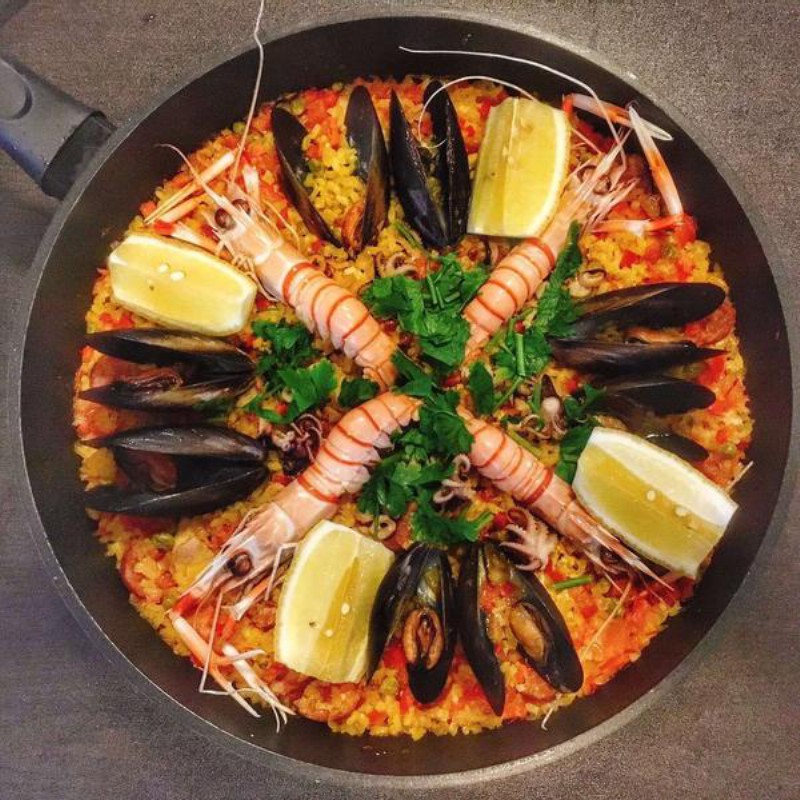
Detailed Preparation Steps
First, prepare the stock - this is the soul of paella. Simmer shrimp shells, fish bones, and other seafood scraps with onions and carrots for 30 minutes, then strain and set aside. Next, for paella preparation, heat olive oil in a paella pan, being careful not to overheat. First, sauté the seafood until half-cooked and set aside. In the same pan, sauté sliced onions and minced garlic until fragrant, then add the rice and stir-fry for 2 minutes to coat each grain with oil.
| Ingredient | Amount |
|---|
| Bomba rice | 400g |
| Shrimp | 12 pieces |
| Mussels | 500g |
| Stock | 1 liter |
| Saffron | 1 pinch |
| Olive oil | 60ml |
The Art of Heat Control
Here’s where many people make a mistake with rice cooker Spanish paella: never keep stirring like when making fried rice. Authentic paella should not be stirred once the stock is added - this allows the formation of that slightly caramelized bottom layer called “socarrat” in Spanish, which is an important standard for judging authentic paella.
Key Tip: After adding saffron soaked in warm water, cook on high heat for 5 minutes, then reduce to medium-low heat and continue cooking for 15-18 minutes. Never stir during this time - only occasionally shake the pan gently to ensure even heating. When you hear a slight “sizzling” sound from the bottom, it means the socarrat is forming.
Making paella is really a process that requires patience and technique. Master the heat control, choose the right ingredients, add a little luck, and you too can make delicious paella at home that rivals any restaurant. Remember, finish with a sprinkle of lemon juice and chopped parsley - that’s the perfect finishing touch.
