The Art of Timing in Seafood Cuisine
As a culinary enthusiast who has lived in Spain for many years, I’ve discovered that many friends often encounter the same problem when preparing seafood feasts: despite using fresh ingredients, the results are often disappointing. The key to success lies in mastering the proper cooking sequence for different seafood ingredients.
Basic Principle: From Hard-to-Cook to Easy-to-Cook
The most important principle in seafood cuisine is arranging the cooking sequence based on ingredient characteristics. Generally, we should follow the basic rule of starting with ingredients that require longer cooking times, then gradually adding easily cooked ingredients. This ensures all ingredients are properly flavored while preventing some seafood paella preparation from being overcooked and others from being undercooked, like in rice cooker Spanish paella.
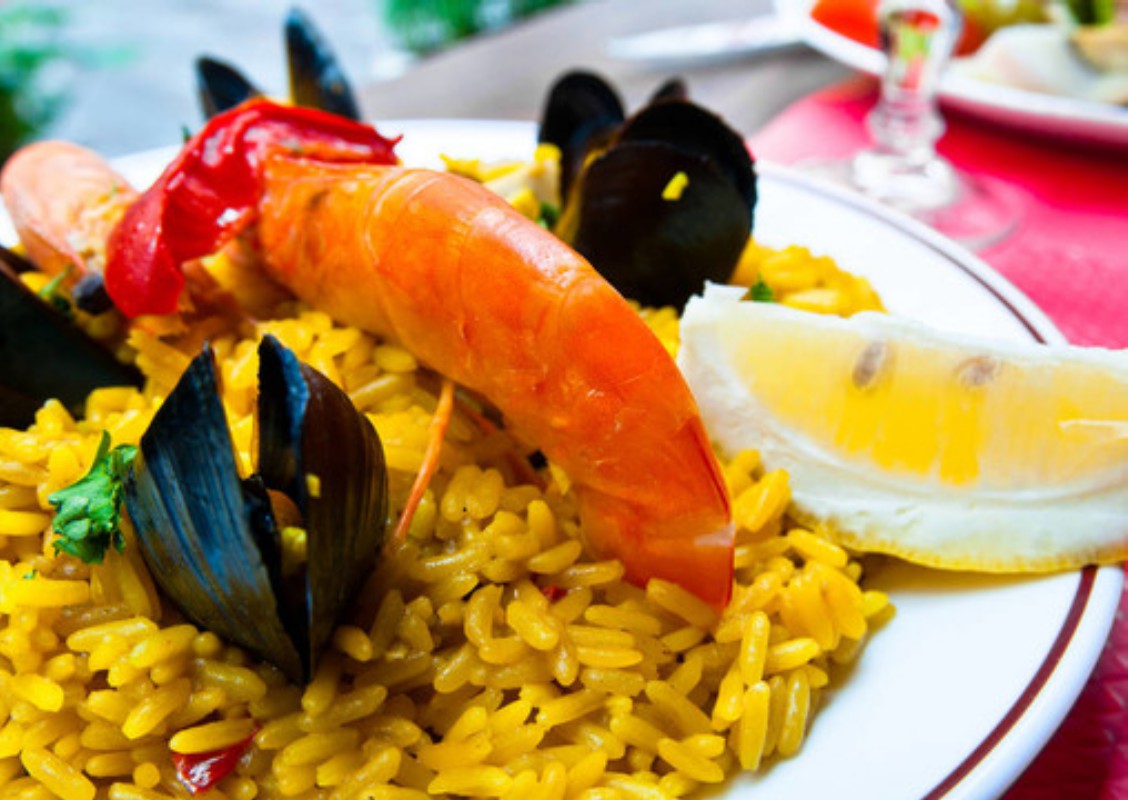
Specific Cooking Sequence Chart
| Ingredient Type | Cooking Order | Cooking Time |
|---|
| Octopus, Squid | First batch | 15-20 minutes |
| Mussels, Clams | Second batch | 8-12 minutes |
| Shrimp varieties | Third batch | 5-8 minutes |
| Scallops, Oysters | Final batch | 3-5 minutes |
Practical Experience Sharing
In my cooking practice, octopus and squid absolutely must be handled first. These cephalopod seafoods have tougher textures and need sufficient time to soften their fibers. I usually cook them over medium heat for about 15 minutes to make their meat tender.
Next comes the timing for shellfish. Bivalves like mussels and clams need time to open their shells and release their delicious internal juices. Never rush the process - patiently wait for them to open naturally, as this will make the broth exceptionally sweet. Shrimp and crab are relatively easier to manage; they’re ready when their shells turn red and the meat changes from translucent to opaque. Finally, scallops and oysters only need brief heating - overcooking will cause them to lose their tender texture.
