As a food enthusiast who has lived in Spain for many years, friends often ask me about the differences between paella and arroz caldoso (soupy rice). While both dishes feature rice as the main ingredient, their preparation methods and final presentation are completely different. Today I’ll share my observations and practical experience with these Spanish seafood paella traditional recipes.
Basic Conceptual Differences
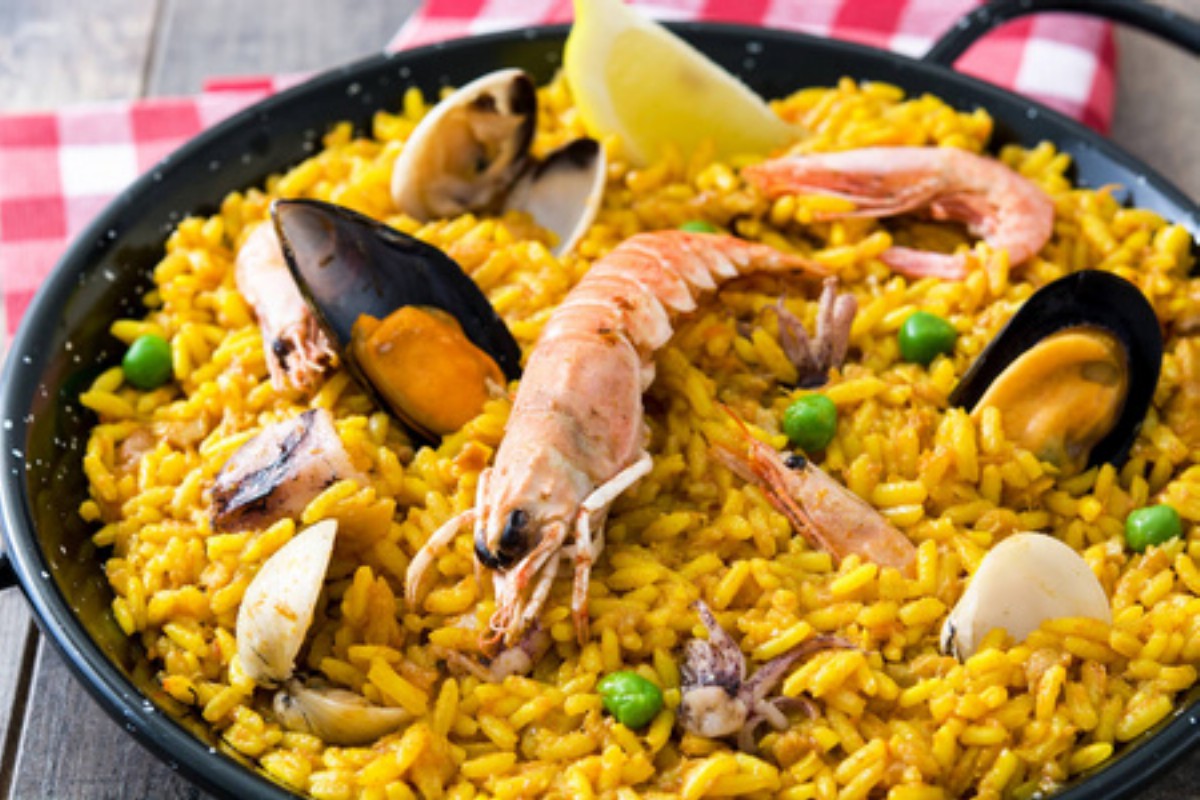
Paella is a traditional dish from the Valencia region, characterized by relatively dry rice grains that absorb the essence of the broth. Arroz caldoso, on the other hand, is more like a dish between rice and soup, rich in broth with a moist texture. Visually, paella appears relatively dry, while arroz caldoso has obvious liquid content.
Cooking Process Comparison
The biggest difference between these two dishes lies in the amount of liquid used and cooking time. When making paella, the ratio of broth to rice is typically 2:1, with no additional liquid added during cooking, allowing the rice grains to completely absorb the broth. Arroz caldoso uses a liquid ratio of 3:1 or even higher, requiring continuous addition of warm broth during the cooking process.
| Item | Paella | Arroz Caldoso |
|---|
| Liquid Ratio | 2:1 | 3:1 or more |
| Cooking Time | 18-20 minutes | 25-30 minutes |
| Stirring Frequency | Rarely stirred | Frequently stirred |
| Final State | Dry | Moist with broth |
Ingredient Selection Differences
Paella typically uses short-grain rice, such as bomba rice or Carnaroli rice, which has strong water absorption but doesn’t easily overcook. For accompaniments, color coordination is emphasized, with red peppers, peas, and saffron being classic combinations. Arroz caldoso can use slightly longer rice grains, as it needs to release more starch to increase the paella preparation broth’s consistency.
Key Cooking Techniques
The key to making paella lies in heat control, with high heat needed in the final minutes to reduce liquid and form the caramelized layer at the bottom. Many people think paella shouldn’t have a crust, but actually, a moderate crust is the hallmark of authentic paella. Arroz caldoso requires adding warm broth ladle by ladle, similar to making Italian risotto, maintaining the creamy texture of the rice grains.
Regardless of which dish you choose to make, remember to use high-quality seafood broth as the electric rice cooker Spanish paella foundation. In Spanish households, both dishes have their devotees - paella is more suitable for gatherings, while arroz caldoso is a warm choice for everyday dining. I hope these shared experiences help you better understand and prepare these two delicious rice dishes.
