Recently while trying to make paella at home, I found saffron’s price quite heartbreaking. As an ordinary person living in Spain, I accidentally heard from a friend that turmeric could be used as a substitute, so I decided to test it myself.
After several attempts, I discovered that turmeric can indeed substitute saffron to some extent, but the effects are not entirely identical. Turmeric primarily provides yellow pigment, giving the rice an appealing golden color that visually resembles saffron’s effect. However, in terms of flavor, turmeric has a mild earthy taste with slight bitterness, while saffron offers a unique floral aroma with metallic notes.
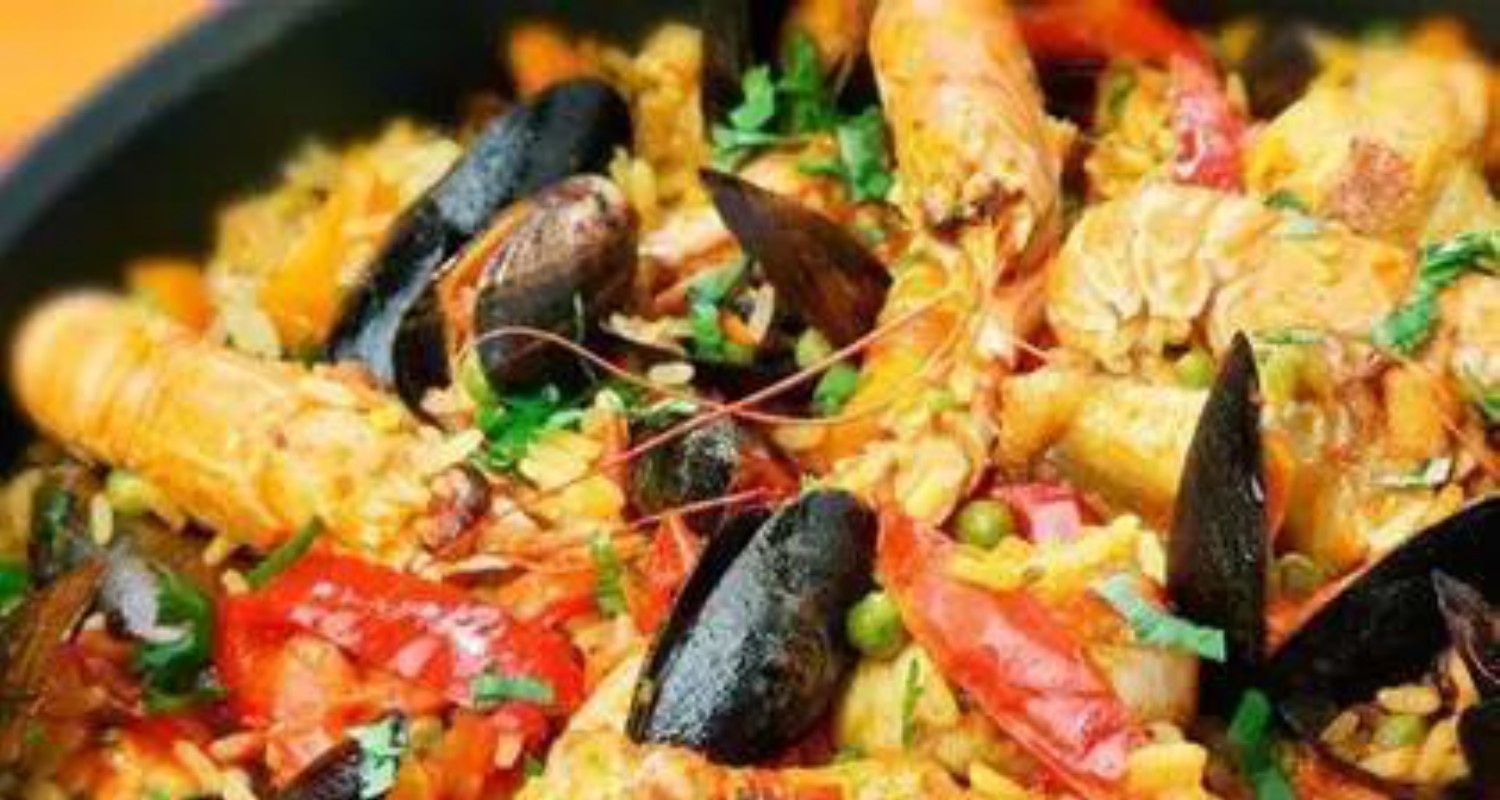
Detailed Comparison of Both Spices
To illustrate the differences more clearly, I created a comparison table:
| Feature | Saffron | Turmeric |
|---|
| Price | Very expensive | Affordable |
| Color effect | Deep golden yellow | Bright yellow |
| Flavor profile | Unique floral, slight metallic | Mild earthy, slightly bitter |
| Quantity needed | Very small amount | Moderate amount |
From actual cooking experience, if you’re mainly pursuing visual appeal, turmeric is a decent substitute choice. I usually add half a teaspoon of turmeric powder to 500 grams of rice, which achieves the desired color without making the bitterness overwhelming.
Practical Tips and Precautions
When using turmeric as a substitute, I recommend mixing the turmeric with a small amount of warm water beforehand, then adding it to the rice to avoid yellow spots. Additionally, adding a bit of olive oil and salt can help balance turmeric’s bitter taste.
While turmeric cannot completely replicate saffron’s unique flavor, it’s sufficient for everyday home cooking. After all, paella’s charm comes more from fresh seafood and perfectly textured rice. If budget allows, I still occasionally recommend using real saffron, as that irreplaceable aroma truly is the soul of Spanish paella.
