The Fundamental Differences Between Paella Seasoning and Italian Risotto
As a food enthusiast who has lived in Barcelona for many years, I’ve noticed that many friends confuse paella with Italian risotto. While both are classic Mediterranean dishes centered around rice, they differ dramatically in seasoning use, cooking techniques, and final texture.
The Essential Difference in Seasoning Systems
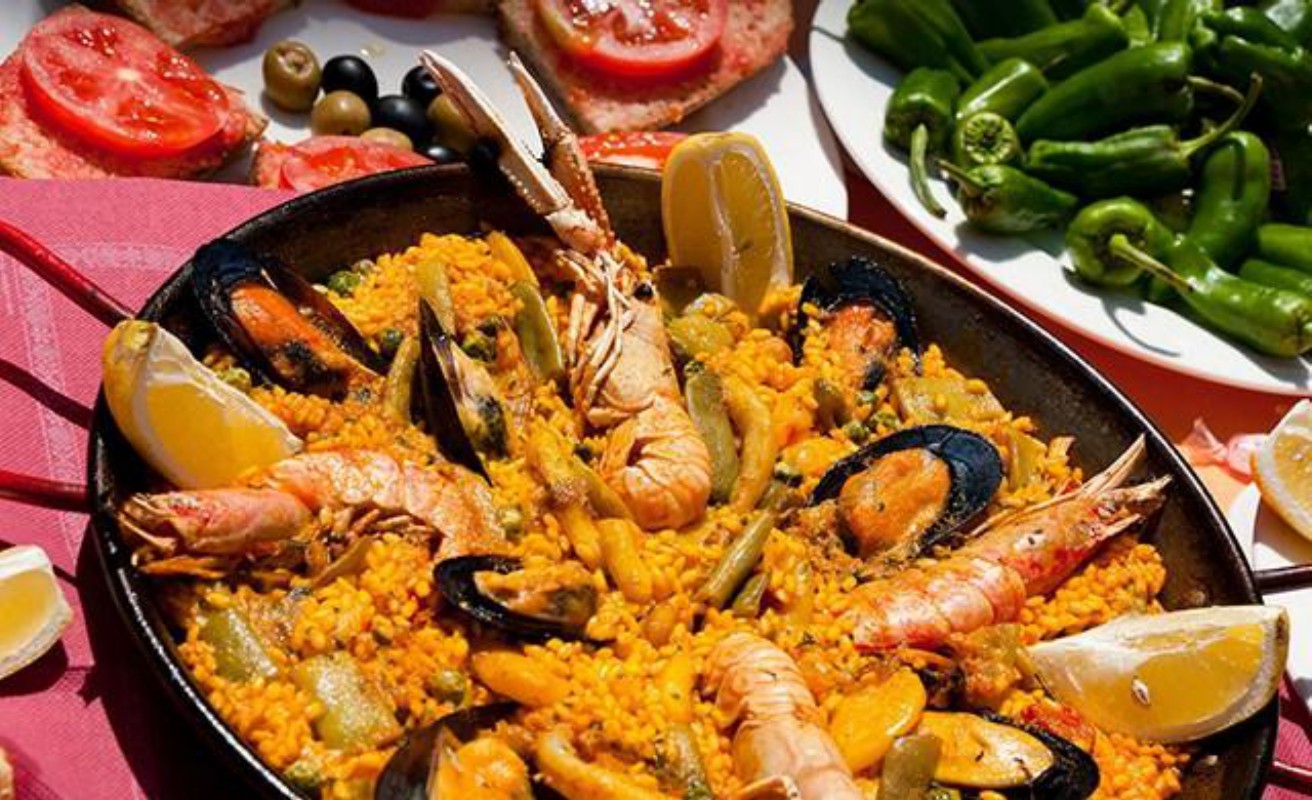
The core seasoning of paella is saffron, this precious spice not only gives the rice its golden color but also provides a unique floral aroma and subtle bitter aftertaste. Combined with olive oil, garlic, onions, and diced tomatoes, this forms the classic seasoning foundation of Spanish paella. Italian risotto, on the other hand, relies mainly on Parmesan cheese, white wine, and various seasonal vegetable broths for flavoring, pursuing rich creamy taste layers.
Comparative Analysis of Cooking Techniques
| Cooking Element | Paella | Italian Risotto |
|---|
| Rice Treatment | No pre-frying, directly cooked with broth | Rice must be sautéed until semi-transparent |
| Liquid Addition | All broth added at once | Warm broth added gradually in batches |
| Stirring Frequency | Absolutely no stirring | Constant stirring required for creamy texture |
| Cooking Time | 18-20 minutes | 16-18 minutes |
Paella’s cooking philosophy is to “let the rice grow freely” - once liquid is added, no stirring occurs, allowing each grain to heat evenly in the pan. This method creates a slightly caramelized rice layer at the bottom, which Spaniards call “Socarrat” - an important standard for judging authentic paella.
Significant Texture Experience Differences
In terms of texture, authentic paella rice should maintain a certain grain firmness, with each grain fully absorbing the essence of saffron and seafood, but never achieving risotto’s creamy, sticky consistency. Italian risotto pursues the “all’onda” state, where rice presents a wave-like flowing texture, requiring extensive stirring and cheese addition to achieve.
Deep Cultural Regional Influences
The differences between these two dishes actually reflect the distinct dining cultures on both sides of the Mediterranean. Spanish paella emphasizes the original flavors of ingredients, with saffron use reflecting the historical traces of Arabic cultural influence on the Iberian Peninsula. Italian risotto embodies the meticulous refinement characteristic of Italian cuisine, transforming simple ingredients into luxurious textural experiences through complex techniques.
Next time you taste these two dishes, pay careful attention to their seasoning differences. The golden hue and subtle floral fragrance of paella, versus the creamy white richness of Italian risotto, perfectly represents the diversity of Mediterranean paella seasonings and dining culture.
