Recently I’ve been trying to make paella at home and noticed that online recipes vary wildly - some say to soak the rice beforehand, others say to add it directly to the pan. As someone who has lived in Spain for many years, I’d like to share my experience and observations with you.
Traditional Method: Why Not to Soak Rice
In the Valencia region, locals typically do not pre-soak rice when making paella. There are several reasons for this: First, paella uses short-grain rice, which has a firmer texture that can absorb broth well without becoming overly soft. Second, not soaking rice allows for better control of the rice texture, ensuring each grain maintains the proper bite.
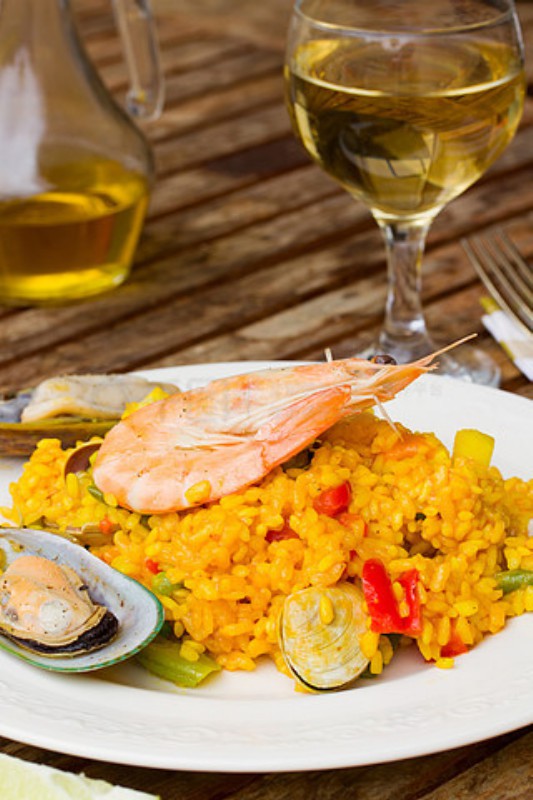
In traditional Spanish paella preparation, rice is added directly to the seasoned broth and slowly cooked over low heat, allowing the grains to gradually absorb the essence of the liquid. This method produces paella with distinct, separate grains and rich, layered flavors.
Comparison of Different Rice Types
| Rice Type | Soaking Needed | Cooking Time | Texture Characteristics |
|---|
| Bomba Rice | No | 18-20 minutes | Distinct grains, chewy texture |
| Italian Rice | No | 16-18 minutes | Slightly soft, good absorption |
| Regular Rice | Optional 10-minute soak | 15-18 minutes | Prone to mushiness |
From my experience, if you can’t find authentic Bomba rice for Spanish paella, you can optionally lightly soak regular rice when using it, but don’t exceed 10 minutes, otherwise it tends to become overly soft during cooking.
Practical Cooking Tips
For paella-making beginners, I recommend starting with the no-soak method. Add rice directly to the pan and sauté over medium-low heat for 1-2 minutes until the grains become slightly translucent. This seals the outer layer of the rice, preventing excessive water absorption. Then add hot broth - this step in rice cooker Spanish paella is called “socarrat” and is key to making authentic paella.
The most important aspect is controlling the liquid ratio. Generally, the rice to liquid ratio should be around 1:2.5 to 1:3. Liquid includes broth, white wine, tomato juice, and all other wet ingredients. Remember, paella is not risotto - the final dish should be relatively dry with a thin layer of crispy bottom crust.
