As a culinary enthusiast who has lived in Spain for many years, I’ve found that many friends encounter heat control issues when making Spanish paella. Today I want to share my experience with everyone, hoping to help you create more authentic paella.
Stove Types and Power Requirements
The ideal setup for making paella is using a high-power gas burner, with at least 3.5 kilowatts of power. If using a household induction cooktop for paella preparation, choose a model with 2500 watts or higher. Traditional Spanish households typically use specialized paella burners with 5-8 kilowatts of power, ensuring even heat distribution across the pan bottom.
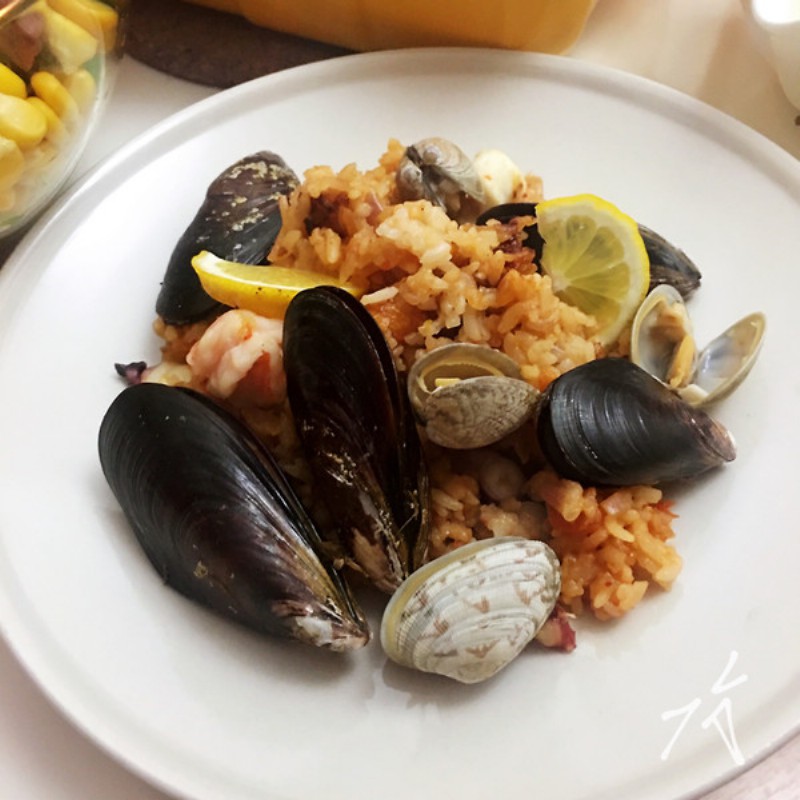
Heat Control for Different Stages
Paella preparation requires stage-by-stage heat control, which is key to success. Initially, when stir-frying ingredients, use high heat to quickly heat olive oil to 180-200 degrees Celsius. After adding rice and broth, use medium-high heat to bring to a boil, then adjust to medium-low heat for slow simmering for 15-18 minutes.
| Cooking Stage | Heat Level | Time Control |
|---|
| Stir-frying vegetables and seafood | High heat | 3-5 minutes |
| Boiling stage | Medium-high heat | 2-3 minutes |
| Simmering stage | Medium-low heat | 15-18 minutes |
| Reduction stage | Low heat | 2-3 minutes |
Pay special attention to the final reduction stage - never use high heat, as this can easily burn the bottom. Use the lowest heat setting to slowly evaporate excess moisture, forming the perfect socarrat layer.
Practical Tips
Choosing the right cookware is equally important. Traditional paella pans typically have diameters of 30-40 centimeters, with shallow but wide bottoms that allow rice to spread thinner for more even heating. If you don’t have a specialized pan for electric rice cooker Spanish paella, you can substitute with a thick-bottomed skillet or cast iron pan.
Based on my years of experience, the most common mistake when making paella at home is using either too much or too little heat. Excessive heat causes water to evaporate too quickly, leaving rice undercooked; insufficient heat makes the entire cooking process too lengthy, affecting the fresh flavors of ingredients. Master heat control, and you’re halfway to success.
