Recently I’ve been trying to make seafood paella at home and found that using a gas stove is actually an excellent choice. Many friends ask me whether gas stoves are suitable for making seafood paella, so today I’ll share my practical experience.
Advantages of Using a Gas Stove
The biggest advantage of making seafood paella with a gas stove is precise heat control. Traditional seafood paella requires different heat levels at different stages, and gas stoves allow instant adjustment, which is much more convenient than induction cookers. Moreover, the flame temperature distribution of gas is even, which is particularly important for Spanish seafood paella cooked in large pans.
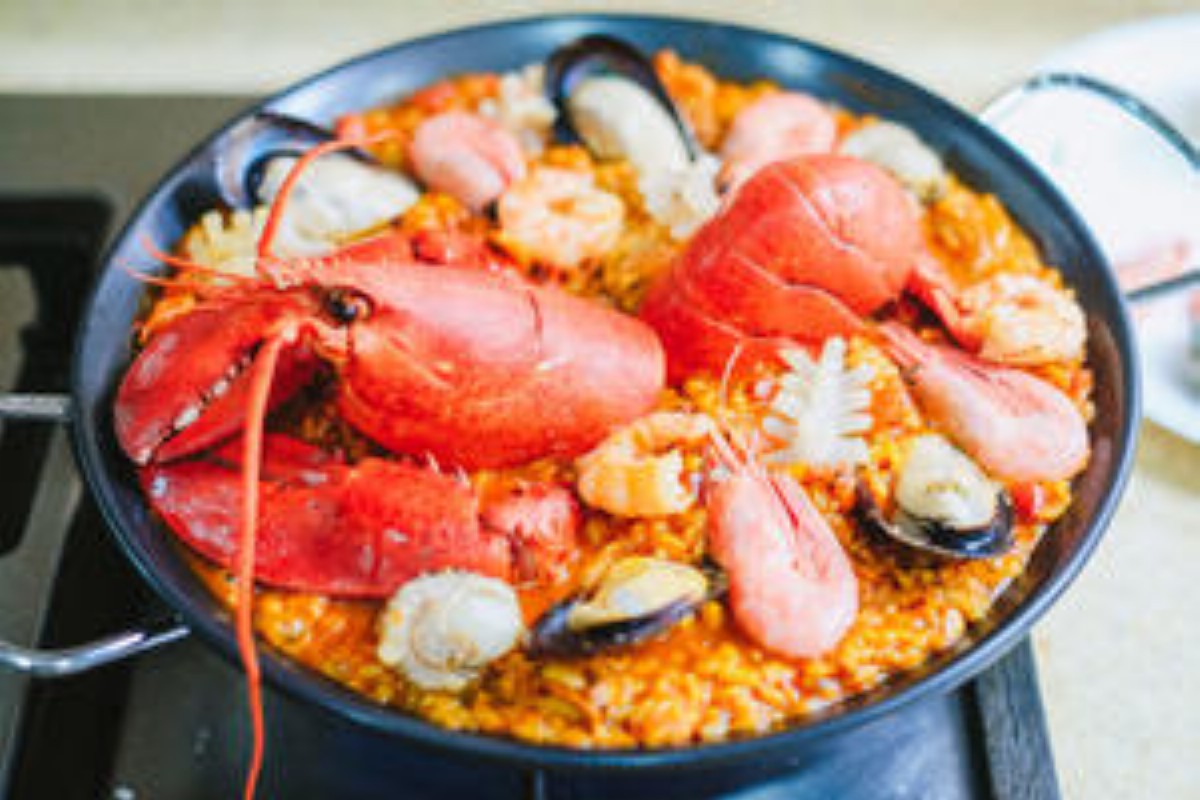
Key Points in Actual Operation
When making seafood paella with a gas stove, I’ve summarized several crucial steps. First, the base ingredient sautéing stage requires high heat to bring out the aroma of onions and garlic. After adding the rice grains, you need medium heat for 2-3 minutes of stir-frying, which is when the heat adjustment capability of gas stoves becomes particularly important.
| Stage | Heat Level | Time | Notes |
|---|
| Sauté vegetables | High heat | 3-5 minutes | Avoid burning |
| Fry rice | Medium heat | 2-3 minutes | Even heating |
| Add broth | High heat to low heat | 18-20 minutes | Don’t stir |
| Steam | Turn off heat | 5 minutes | Keep lid sealed |
Another advantage of gas stoves is the ability to use traditional large flat pans, which have good heat conduction properties and allow rice grains to heat more evenly. I use a 36cm carbon steel pan, and combined with the gas stove’s heat power, the results are quite excellent.
Points to Consider
Of course, gas stoves also have some considerations. For example, excessive heat can easily burn the bottom, especially during the final steaming stage when you must adjust to the lowest heat. Additionally, ensure good ventilation since it’s open flame cooking.
Some people worry that seafood paella making with gas stoves isn’t modern enough, but I think for making traditional dishes like seafood paella, using a gas stove actually feels more authentic. When heat control is mastered properly, the seafood paella will develop a thin layer of crispy bottom crust (socarrat), an effect that’s difficult to achieve with rice cooker Spanish seafood paella or induction cookers.
