I’ve been cooking shrimp frequently at home recently, and after trying many methods, I’ve summarized some tips to make shrimp more delicious that I’d like to share with everyone.
Key Points for Selecting Fresh Shrimp
When buying shrimp, pay special attention to several details. Fresh shrimp should have glossy shells and feel firm and elastic to the touch. The head and body should be tightly connected - if they separate easily when touched, the shrimp isn’t fresh enough. Additionally, they should have a light oceanic scent and absolutely no off odors. While frozen shrimp are convenient, their texture becomes inferior after thawing, so choose live shrimp or recently deceased fresh shrimp when possible.
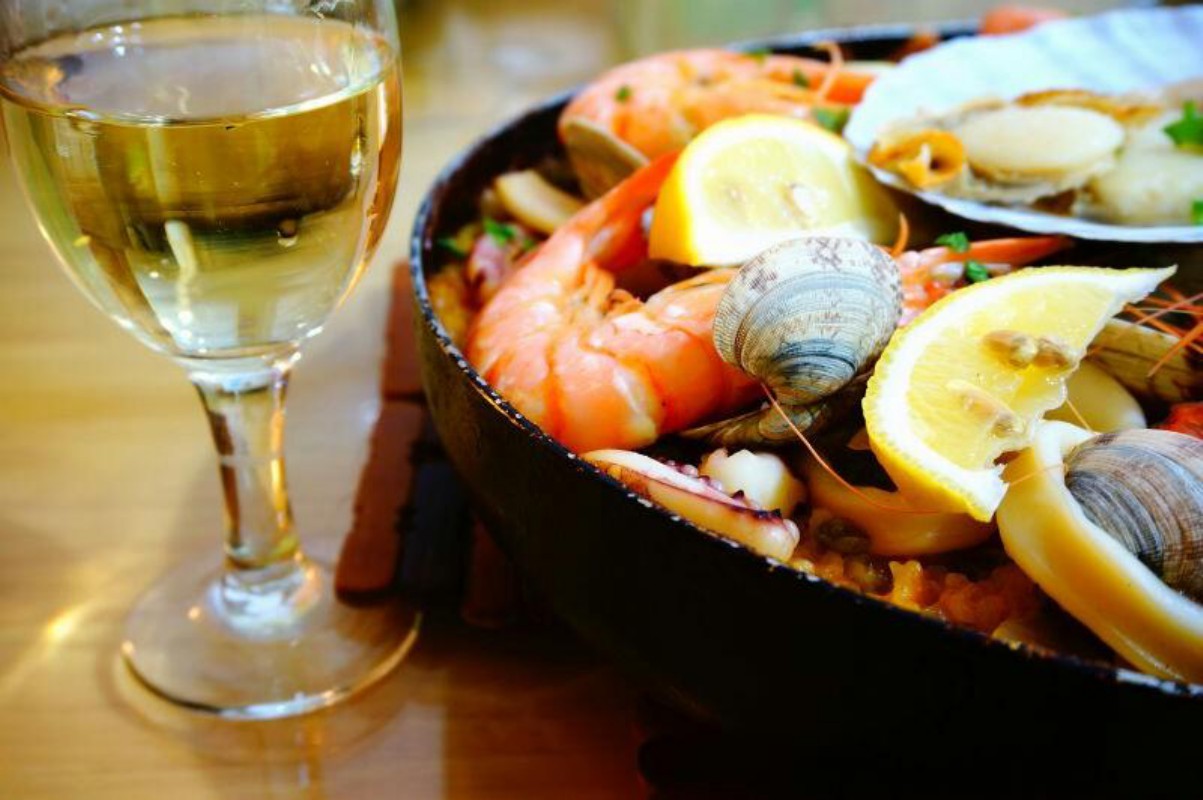
Processing shrimp definitely requires some technique. First, remove the vein - this is very important as leaving it affects both taste and hygiene. Use a toothpick to gently lift the black line from the second segment of the shrimp’s back and slowly pull it out. Butterflying allows the shrimp to absorb flavors better - use a small knife to cut a shallow slit along the shrimp’s back, about one-third the thickness of the shrimp body.
| Processing Steps Seafood Paella Preparation | Specific Operation | Important Notes |
|---|
| Remove vein | Use toothpick to lift from second segment | Be gentle |
| Butterfly | Cut shallow slit along back | Control depth to ⅓ |
| Rinse | Wash clean with cold water | Avoid hot water |
Secrets to Marinating and Seasoning
Marinating is the key step for flavor penetration. I usually marinate with cooking wine, light soy sauce, white pepper, and a small amount of salt for 15-20 minutes. Marinating too long will actually make the shrimp meat tough, losing its tender texture. If you want Electric Rice Cooker Spanish Seafood Paella richer flavors, add some minced garlic and ginger strips to effectively remove fishy odors and enhance aroma.
Mastering Cooking Heat Control
Heat control is the final key to determining whether shrimp will be delicious. Shrimp meat cooks very quickly, generally 2-3 minutes of high-heat stir-frying is sufficient. When shrimp turn red and curl up, they’re cooked - continued heating will only make the meat tough. For poached shrimp, add them after water boils, then cook for 1-2 minutes after it returns to boiling and immediately remove. Never overcook, or the shrimp meat will become chewy like rubber.
After mastering these techniques, whether stir-frying, poaching, or steaming, you can create delicious shrimp dishes. The key is to treat each detail with care - from selection to final plating, every step matters.
