Recently, while trying to make paella at home, I encountered a dilemma that had me puzzled: should seafood be blanched beforehand or not? After checking numerous tutorials, I found conflicting advice - some Spanish paella recipes insist that blanching is essential to remove fishy odors, while others argue for adding seafood directly to preserve natural flavors. After multiple attempts and consulting several local chef friends, I’d like to share my insights and experiences.
Arguments Supporting Blanching
Those who support blanching focus mainly on odor removal and hygiene benefits. Particularly for shellfish, blanching effectively removes sand and unpleasant smells. Blanched shrimp are also easier to peel and appear cleaner and more presentable. From a food safety perspective, proper blanching can reduce bacterial risks, which is definitely beneficial for home cooking.
Arguments Against Blanching
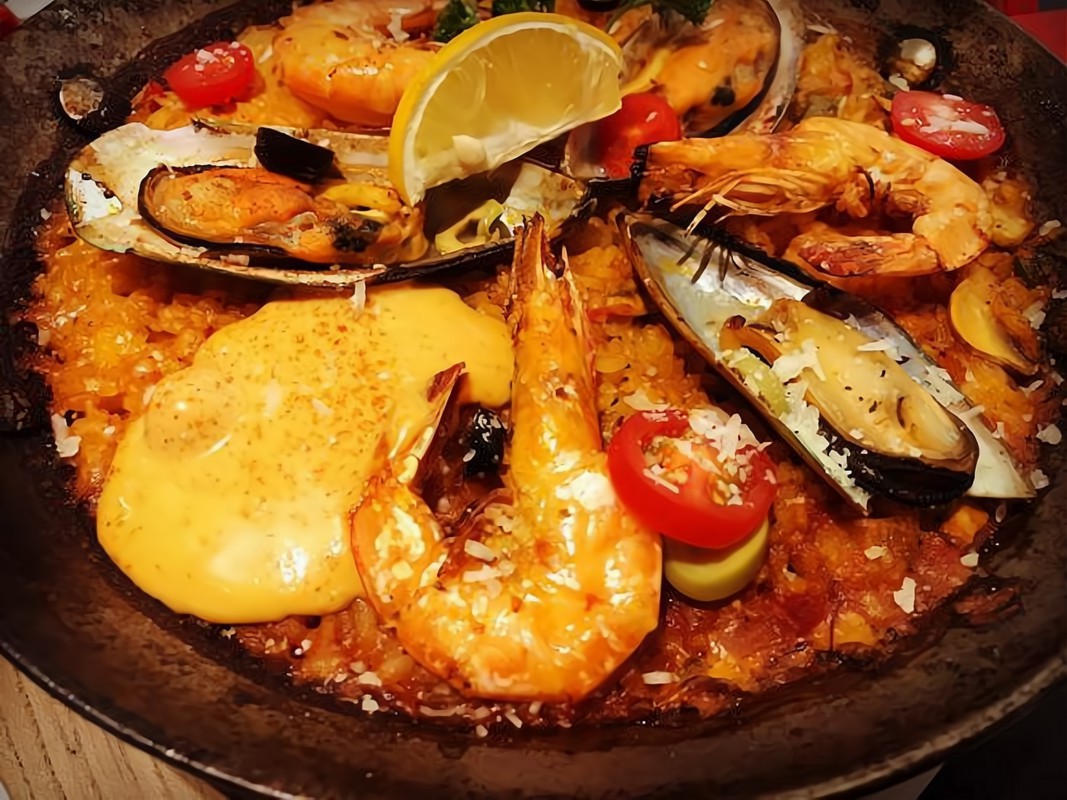
However, the opposing voices make equally valid points. The deliciousness of seafood largely comes from its natural juices and proteins. The blanching process causes these essences to be lost, resulting in a final dish that lacks that rich oceanic flavor. Especially when making traditional Spanish paella, the natural juices released by seafood are an important component of the seasoning.
| Processing Method | Advantages | Disadvantages |
|---|
| Blanching | Removes fishy odor, more hygienic, neat appearance | Loss of fresh flavor, slightly dry texture |
| Direct cooking | Preserves fresh taste, rich juices | May have fishy smell, requires more careful handling |
After repeated experiments, I personally lean towards treating different types of seafood differently. For shellfish like clams and mussels, I do light blanching, mainly to make them open and remove sand. But for paella preparation involving crustaceans like shrimp and crab, I prefer to add them directly to the pan, just being extra careful during cleaning.
The key is to decide based on the freshness of the seafood. If the seafood for your electric rice cooker Spanish paella is very fresh with minimal fishy smell, you can completely skip the blanching step. However, if the seafood isn’t fresh enough or has a strong fishy odor, appropriate blanching is indeed necessary. After all, nobody wants to eat paella with an overpowering fishy taste. Remember, there’s no absolute standard in cooking - flexibility based on actual conditions is the key.
