Sharing Lobster Handling Techniques for Paella
As a food enthusiast who has lived in Spain for many years, I’d like to share how to properly handle lobster when making paella. Recently, I’ve been experimenting with making Spanish paella at home several times, and I’ve discovered that lobster preparation is truly crucial - it directly affects the final taste and presentation.
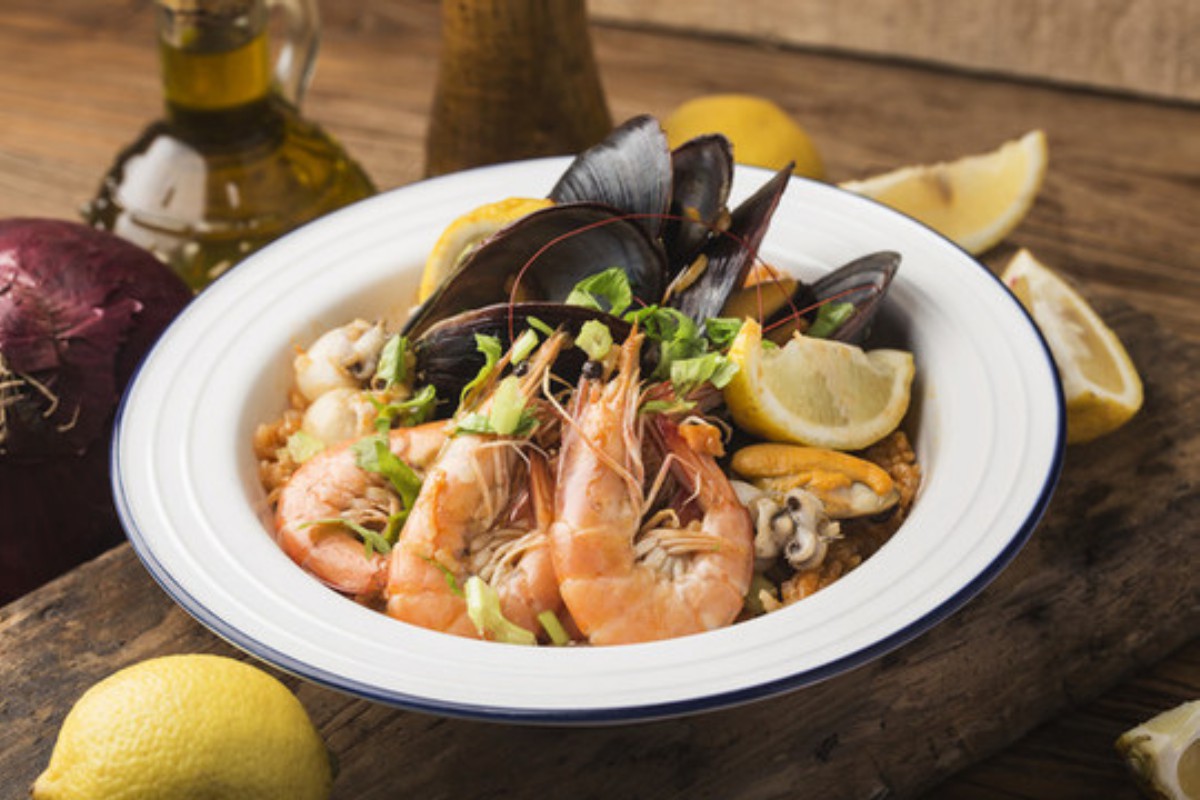
Key Points for Selecting Lobster
First, let’s talk about how to choose good lobster. Fresh lobster shells should have vibrant red or deep green colors, with a firm and elastic texture. For paella preparation, live lobster is best, but if using dead lobster, ensure it was recently deceased and should smell of fresh seawater with absolutely no fishy odor. Weight is also important - among lobsters of the same size, heavier ones indicate fuller meat.
| Criteria | Fresh Lobster Characteristics | Non-fresh Lobster Characteristics |
|---|
| Appearance | Vibrant color, intact shell | Dull color, damaged shell |
| Smell | Light seawater scent | Strong fishy odor |
| Texture | Firm and elastic meat | Soft meat |
Cleaning and Pre-processing Steps
Purchased lobsters need thorough cleaning. First rinse the shell with clean water, paying special attention to the gaps around the lobster’s head and abdomen, where dirt easily accumulates. If using live lobster, place it in ice water first to calm it down, making handling safer. Use a toothbrush to gently scrub the shell, removing attached seaweed and sand.
Processing the internal organs is also important. Place the lobster belly-up and use a knife to cut open from the head, removing the internal organs. The roe can be retained as it’s the essence of electric rice cooker Spanish paella, but the black digestive tract must be thoroughly cleaned. Rinse the interior with running water, ensuring no residue remains.
Key Processing Before Cooking
For paella, lobster usually needs to be cut into appropriately sized pieces. I recommend cutting the lobster body into 2-3 segments, and the claws can be lightly cracked with a hammer to facilitate flavoring and eating. Don’t completely smash them - maintaining some integrity will make the presentation better.
Cut lobster pieces can be marinated with a little salt and lemon juice for 10-15 minutes to remove fishiness and enhance freshness. Some people like to add a bit of brandy at this step, which I think works well too, elevating the overall aroma profile.
Timing and Techniques for Adding to the Pan
When making paella, don’t add lobster too early. I usually add the lobster pieces when the rice is half-cooked, allowing the lobster to fully absorb flavors without overcooking and toughening the meat. Remember that lobster meat cooks very quickly - overcooking will make the texture rubber-like.
Throughout the cooking process, maintain medium-low heat, allowing the lobster and rice to slowly absorb the essence of the broth. In the final few minutes, you can slightly increase the heat to form that classic crispy bottom layer, which is also a signature feature of authentic Spanish paella.
