Recently, after trying crispy-bottom paella at several restaurants, I couldn’t help but ponder a question: is crispy-bottom paella actually more authentic than traditional seafood paella? As a food enthusiast who has lived in Spain for many years, I’d like to share some personal observations.
Historical Background of Traditional Seafood Paella
As one of Spain’s most representative dishes, Spanish seafood paella has a history dating back to 18th century Valencia region. Traditional preparation methods emphasize using local fresh ingredients, including rice, saffron, various seafood, and vegetables. Original paella recipes didn’t deliberately pursue caramelization at the bottom of the pan, but rather focused on ingredient freshness and balanced seasoning.
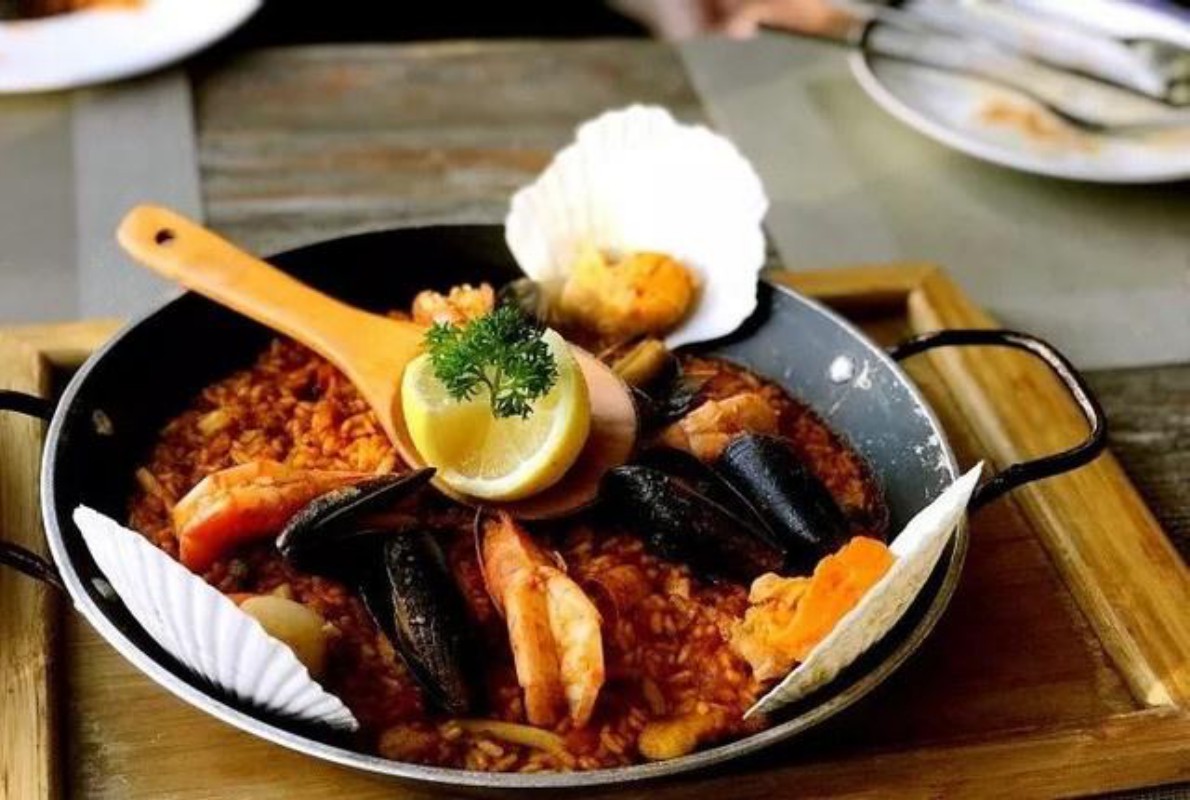
The Emergence of Crispy Bottom Phenomenon
The appearance of crispy-bottom paella is actually a result of culinary technique development. When chefs discovered that moderate caramelization at the pan’s bottom could add unique aroma and textural layers to the dish, this method gradually gained adoption by more restaurants. The crispy bottom not only provides a contrasting crunchy texture for paella preparation, but also releases more intense rice fragrance.
| Feature | Traditional Paella | Crispy-Bottom Paella |
|---|
| Texture Layers | Relatively Simple | Rich and Diverse |
| Cooking Difficulty | Moderate | Higher |
| Aroma Intensity | Light and Natural | Rich and Complex |
| Visual Appeal | Traditional Simple | Modern Refined |
From my personal tasting experience, crispy-bottom paella indeed has unique advantages in taste experience. Moderate caramelization not only doesn’t mask seafood freshness, but actually forms an excellent complement. Especially when the crispy bottom combines with saffron’s aroma, it creates an unforgettable complex fragrance.
Reflections on Authenticity
However, judging authenticity solely based on the presence or absence of a crispy bottom might be rice cooker Spanish paella too absolute. True authenticity should be reflected in respect for traditional cooking techniques and insistence on quality ingredients. Whether or not it has a crispy bottom, good paella should use fresh seafood, quality rice, and perfectly balanced seasoning.
I believe crispy-bottom paella can be considered an evolved version of traditional paella. While maintaining traditional essence, it adds new textural elements. This innovation doesn’t violate authenticity principles, but rather demonstrates the inclusiveness and developmental vitality of Spanish culinary culture. After all, any traditional cuisine continuously improves and develops throughout history’s course.
