The Formation Principle of Paella Socarrat
As a food enthusiast who has lived in Valencia for many years, I’m often asked by friends: why does authentic Spanish paella always have a layer of crispy bottom? Today, let’s discuss this topic.
Actually, the crispy bottom of paella isn’t accidentally produced, but rather an indispensable part of traditional cooking technique. When we make paella using the traditional paellera flat pan, the final few minutes of high-heat cooking creates a golden crispy layer at the bottom of the rice, locally called “socarrat.” This word means “burnt” in Valencian, but this “burnt” layer is precisely the essence of paella.
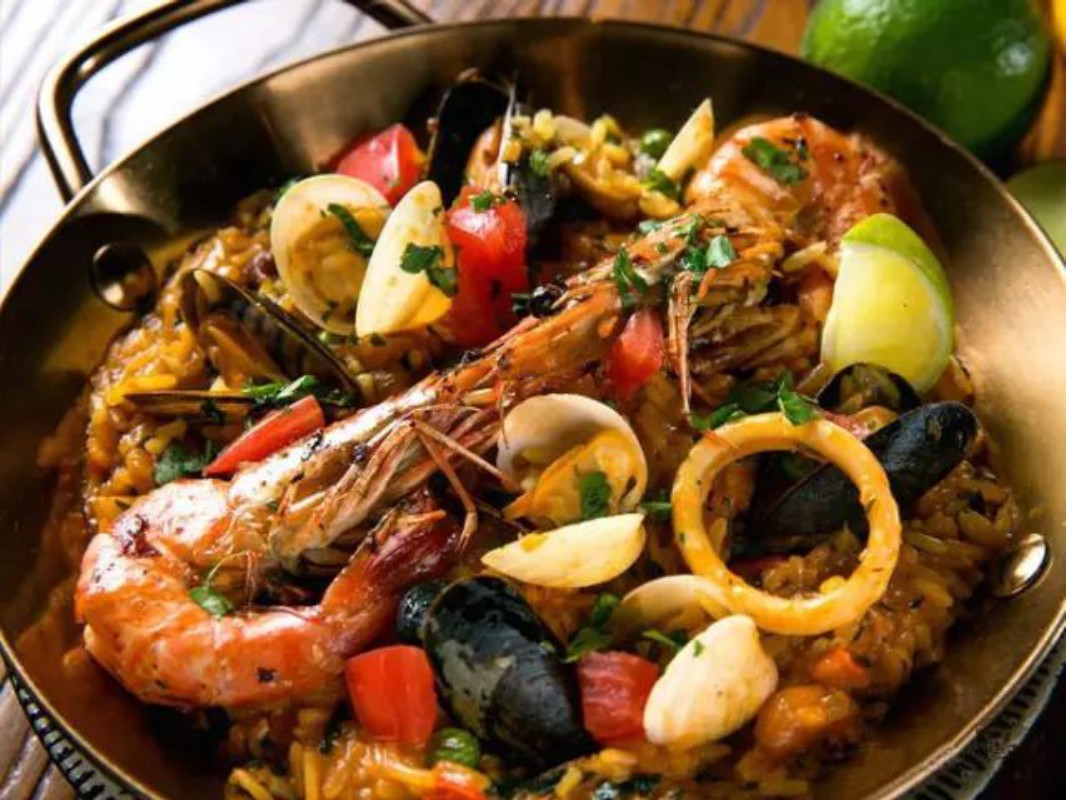
The Textural Layers Brought by Socarrat
Many people don’t understand why we deliberately create socarrat, but this relates to the overall textural balance of the dish. The upper layer rice maintains a moist and tender texture, absorbing the delicious broth of saffron and various seafood. The bottom socarrat provides a completely different taste experience from paella making: crispy, sweet, with a subtle caramel flavor.
This contrast creates rich textural layers. When you scoop to the bottom of the pan, that “crunch” sound and the following crispy texture form a striking contrast with the soft rice above. It’s like tasting two different dishes that perfectly blend together.
| Section | Texture Characteristics | Flavor Profile |
|---|
| Upper rice | Soft and moist | Rich and savory |
| Bottom socarrat | Crispy and aromatic | Sweet caramel |
Embodiment of Traditional Craftsmanship
Creating perfect socarrat requires rich experience and precise heat control. Several local chefs I know have told me that judging whether socarrat is successfully made relies mainly on hearing. When the bottom of the pan starts making a slight “sizzling” sound, it indicates socarrat is forming. This process usually lasts 2-3 minutes - too much heat will burn it, while insufficient heat won’t form the ideal crispy layer.
True paella masters can judge the completion of socarrat solely by sound and aroma, a skill that requires years of practice to master. In some traditional restaurants, you can even see chefs bending down close to the pan, listening with focused attention.
Additional Nutritional Benefits
Besides the enjoyment of texture, socarrat also has nutritional value. Rice undergoes Maillard reaction under high temperature, and the compounds produced not only bring unique aroma but also possess certain antioxidant properties. Although this layer of socarrat isn’t large in quantity, it concentrates the nutritional components in the rice, making it the essence of the entire pot of paella.
Not everyone likes the texture of socarrat. But for true paella enthusiasts who appreciate electric rice cooker Spanish paella, a pot without socarrat is like missing its soul. Next time you have the chance to taste authentic paella, pay special attention to this seemingly “burnt” layer - you might discover a new delicious experience.
