Recently I’ve been considering offering our restaurant’s signature seafood paella as takeout, but I’ve been wondering whether this idea is actually feasible. After several weeks of testing and research, I’d like to share some insights with you.
Main Challenges of Seafood Paella Delivery
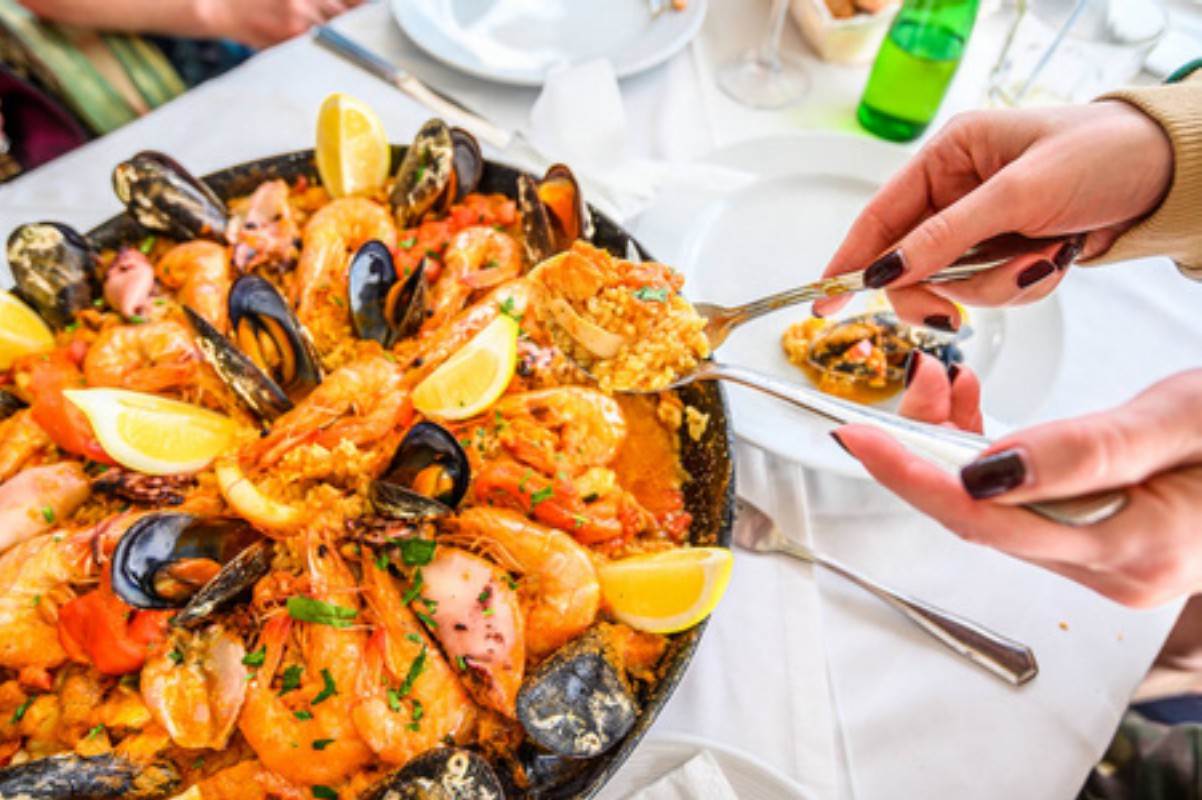
Seafood paella, as a classic Spanish dish, faces the biggest challenge of maintaining temperature and texture. Traditional paella requires completing the final caramelization process in a hot pan, and this slightly crispy bottom layer is precisely the essence of authentic seafood paella. During delivery, rice grains tend to harden and seafood may lose its tender texture.
Another challenge is packaging. Regular plastic containers simply cannot handle the weight and oils of seafood paella, and they easily cause rice grains to stick together. After multiple trials, I found that using aluminum foil containers with sealed lids works best, as they maintain temperature while preventing sauce leakage.
Practical Insulation and Delivery Tips
Through practical testing, I’ve summarized several key points:
| Insulation Method | Effectiveness Rating | Cost |
|---|
| Insulated bags | 7/10 | Low |
| Hot water bottles | 8/10 | Medium |
| Electric heating boxes | 9/10 | High |
| Double-layer packaging | 6/10 | Low |
The most effective method is wrapping the container’s outer layer with regular insulation materials professional-grade insulation film, then placing it in a delivery box with heating functionality. While the initial investment is higher, it ensures the seafood paella maintains ideal temperature when delivered within 30 minutes.
Cost-Benefit Analysis
From a business perspective, seafood paella delivery margins are indeed thinner compared to dine-in service. Besides the extra costs for packaging and insulation equipment for Spanish seafood paella, you must also consider delivery fees and platform commissions. However, with proper seafood paella preparation, delivery can expand your service radius, reaching more potential customers interested in rice cooker Spanish seafood paella, especially those who want to enjoy authentic seafood paella at home.
I recommend setting up delivery-specific seafood paella portions, such as smaller versions suitable for 2-3 people, which helps control costs while being more suitable for home consumption scenarios. Pricing can be 10-15% higher than dine-in to cover additional packaging and delivery costs.
Seafood paella delivery is completely feasible - the key lies in finding appropriate insulation solutions and packaging methods. While the challenges are significant, when done right, it can definitely bring new revenue streams to restaurants. Friends with similar ideas can start with small-scale testing and gradually refine based on feedback.
