Paella Rice Selection Guide: Practical Experience from a Seasoned Food Enthusiast
As a food enthusiast who has lived in Spain for over ten years, I’ve noticed many friends complaining about poor texture when making paella. The truth is, choosing the right rice is the first step to success. Today I’d like to share some practical selection tips with you.
Visual Assessment is the First Checkpoint
Quality paella rice should display a natural milky white or semi-transparent color with plump, uniform grains. Avoid rice that appears overly white or shows obvious color variations, as this usually indicates over-processing or improper storage. I personally prefer rice grains with a subtle pearlescent sheen that reflects gentle silver light under sunlight.
Texture Testing Cannot be Overlooked
Lightly grab a handful of rice and feel its texture and weight. Quality rice grains should feel dry with no sticking between individual grains. If the rice feels moist or breaks easily, it indicates excessive moisture content or storage issues. Truly good rice has a substantial, satisfying weight when held in your hand.
Variety Comparison for Better Selection
| Rice Variety | Characteristics | Suitability |
|---|
| Bomba Rice | Strong absorption, distinct grains | Excellent |
| Arborio Rice | High starch content, rich texture | Good |
| Regular Short-Grain Rice | Affordable, easily available | Average |
Many people mistakenly believe any short-grain rice works for paella, but different varieties actually perform quite differently. Although Bomba rice costs slightly more, its unique absorption properties allow each grain to fully absorb the essence of the broth.
Storage Condition Reflects Quality Level
Check the production date and expiration date on the package - fresher rice has better vitality. Also observe whether the packaging is well-sealed without damage. I usually choose vacuum-packed or well-sealed packages, as proper packaging effectively prevents rice from moisture damage and pest infestation.
Actual Cooking Validates Final Quality
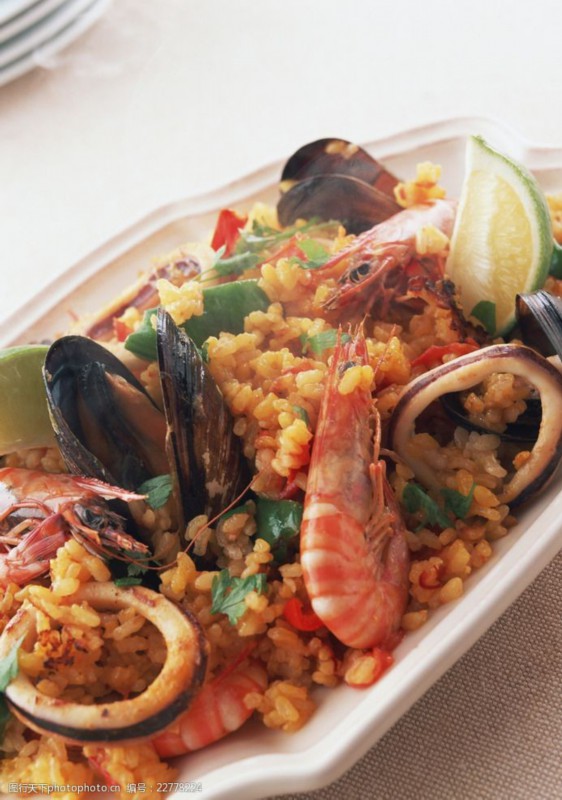
The ultimate test is naturally the actual cooking results. Quality rice grains can evenly absorb broth during cooking while maintaining their shape integrity and developing full flavor. Well-cooked paella should have distinct, separate grains where each bite delivers both rice elasticity and rich seafood broth essence.
I hope these experiences help everyone select their ideal rice for creating more delicious paella. If you have other questions about paella preparation, please feel free to leave comments below for discussion!
