After recently moving to Madrid, I’ve been eager to make paella at home, but I discovered I don’t have a traditional paellera pan. As someone who loves cooking and enjoys Spanish paella, I began researching whether other cookware could be used to make this classic Spanish dish. After multiple experiments, I found the answer is definitely yes!
Choosing Alternative Cookware
While traditional paellera pans have thin, wide bottoms that heat evenly, we can absolutely use other cookware as substitutes. Stainless steel flat-bottom pans, cast iron pans, or large skillets are all excellent choices. The key is selecting cookware with a large bottom surface area and moderate depth, ensuring the rice spreads thin and evenly.
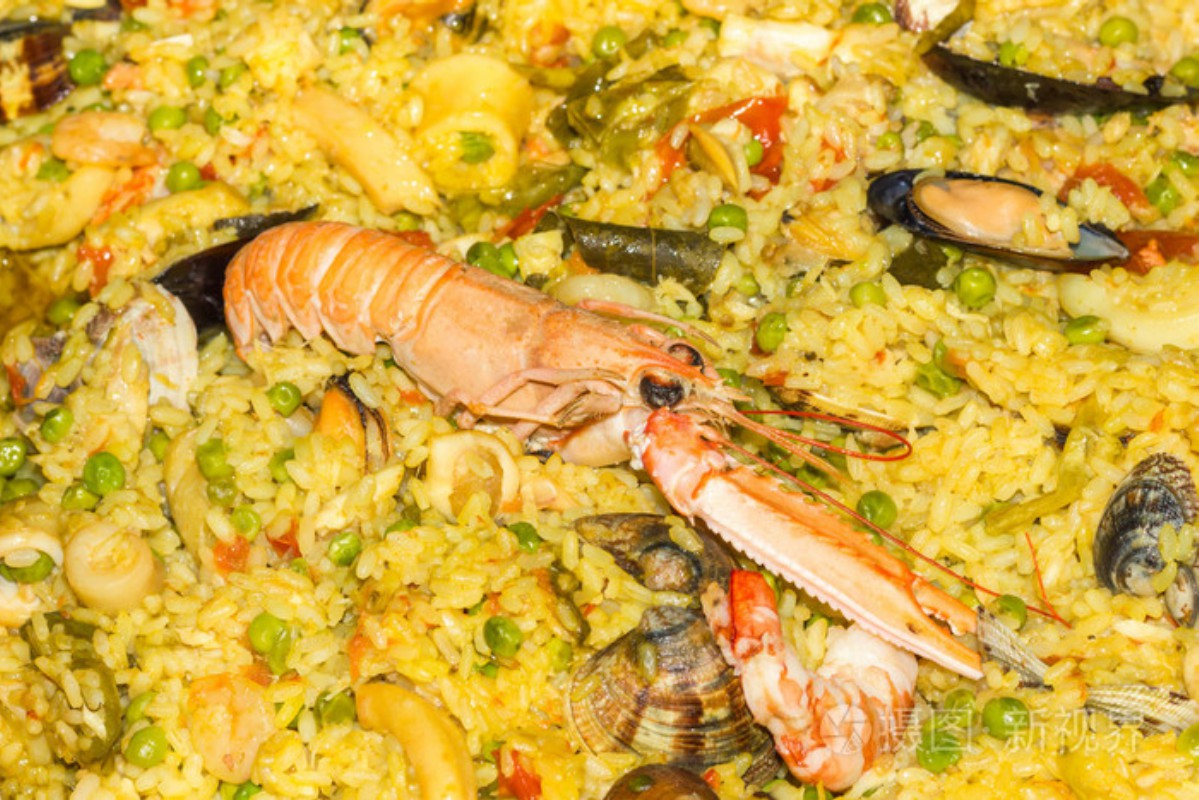
I personally recommend using a stainless steel flat-bottom pan because it conducts heat well and makes temperature control easier. If you have a cast iron pan, that’s even better, as its excellent heat retention keeps the rice at optimal texture.
Cooking Techniques and Key Points
Not having professional cookware doesn’t mean compromising on taste. The most important aspects are controlling heat and water ratios. I typically start by sautéing ingredients over medium heat, then switch to high heat when adding broth. Once the broth begins boiling, I immediately reduce to low heat for slow cooking.
Here are the key parameters I’ve summarized:
| Paella Making Steps | Time | Heat Level |
|---|
| Sautéing ingredients | 5-8 minutes | Medium heat |
| Cooking rice | 18-20 minutes | Low heat |
| Final resting | 5 minutes | Heat off |
When using alternative cookware, pay special attention to even heat distribution on the pan bottom. If you notice uneven heating in any area, you can rotate the pan periodically to ensure every grain of rice fully absorbs the essence of the broth, just like with electric rice cooker Spanish paella.
My Practical Experience
After numerous attempts, I discovered the biggest challenge isn’t actually the cookware, but mastering heat control. Without professional equipment, we need to observe the rice’s condition more carefully. When you hear a gentle “sizzling” sound from the pan bottom, it means the moisture has mostly evaporated, and it’s time to turn off the heat for final resting.
Initially, I was always worried about the rice sticking to the bottom, but I later realized that a moderate amount of bottom crust is actually a characteristic feature of authentic paella. The key is controlling this “degree” - creating a golden-brown crust at the bottom rather than burnt black spots.
While traditional paellera pans certainly have their advantages, this should never be a barrier to enjoying delicious paella. With the right techniques and heat control, ordinary cookware can produce equally satisfying results. What matters most is maintaining passion and patience for cooking, which is more valuable than any expensive cookware.
