Recently while preparing for a family gathering, I wanted to make paella but some family members don’t eat meat, so I wondered if I could make a version with only seafood and no meat. After researching, I found this topic quite interesting and wanted to share my discoveries with everyone.
Composition of Traditional Paella
Traditional paella isn’t strictly a pure seafood dish. Many classic recipes include chicken or rabbit to add protein layers and texture richness. However, this doesn’t mean a pure seafood version isn’t authentic - in fact, many coastal families make it primarily with seafood.
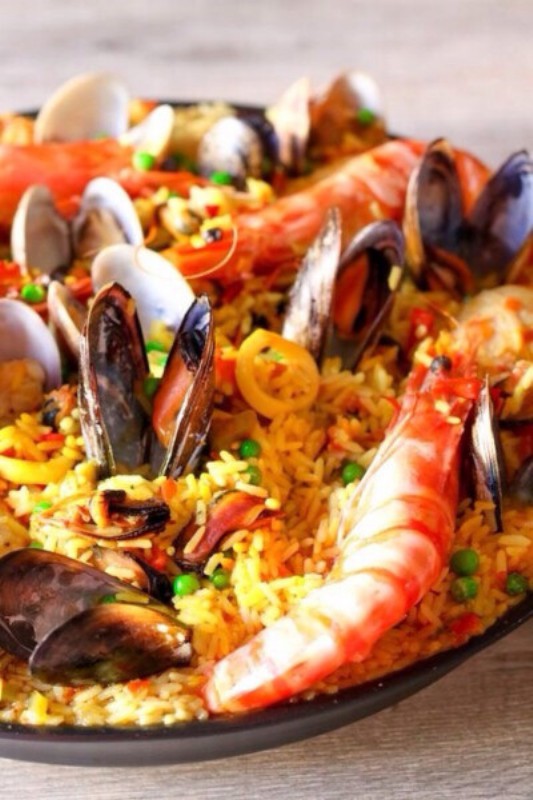
From a nutritional perspective, a pure seafood version is completely viable. Seafood itself is rich in high-quality protein, and shrimp, clams, squid, and other seafood can provide sufficient nutritional value for Spanish seafood paella. The key is choosing the right seafood combination to ensure texture layers and nutritional balance.
Key Points for Pure Seafood Version
When making a pure seafood version, several key points need attention. First is seafood selection and pairing - I recommend using the following combination:
| Seafood Type | Recommended Amount | Preparation Method |
|---|
| Large Shrimp | 6-8 pieces | Shell removed, tail kept |
| Clams | 300g | Pre-purged of sand |
| Squid | 1 piece | Cut into rings |
| Mussels | 200g | Cleaned thoroughly |
Seasoning requires more precision than traditional versions, since there’s no meat to provide rich flavor for paella preparation, so saffron quantity can be slightly increased while ensuring the seafood stock has sufficient concentration.
Texture Enhancement Techniques
To compensate for potential texture monotony without meat, I discovered several techniques. You can add diced mushrooms during the sautéing process - although not seafood, they add umami and chewiness. Additionally, slightly increase olive oil quantity to give rice grains more luster and aroma.
Timing control is also crucial. Seafood cooks faster than meat, so for electric rice cooker Spanish paella, add ingredients in batches. Hard-shell varieties first, soft-bodied ones later - this ensures all seafood maintains optimal texture.
After actual testing, the pure seafood version of paella completely rivals traditional methods, even being more refreshing and flavorful in some aspects. For those who love seafood or have special dietary requirements, this is definitely an excellent choice. Do you have any other preparation insights to share?
