Difference Between Paella and Risotto: A Spaniard Tells You the Truth
As a Spaniard who has lived in Barcelona for over ten years, friends often ask me about the real differences between Spanish paella and Italian risotto. Honestly, these two dishes are often confused, but they’re actually quite different. Today I’ll discuss this topic in detail.
Fundamental Differences in Origin and Cultural Background
Paella originates from Spain’s Valencia region, initially a home-cooked meal for farmers and fishermen. Traditional Valencian paella doesn’t just contain seafood - it also includes rabbit, chicken, beans, and other ingredients. Italian risotto, on the other hand, comes from northern Italy’s Lombardy region, particularly Milan, and was a refined dish served at noble tables.
This difference in origins directly influences the cooking philosophy of both dishes. Paella emphasizes ingredient richness and the warmth of family gatherings, while risotto focuses more on refined cooking techniques and layered textures.
Cooking Methods and Technique Comparison
| Feature | Paella | Risotto |
|---|
| Rice Type | Short-grain, highly absorbent | Special varieties like Arborio |
| Stirring Method | Almost no stirring | Constant stirring |
| Liquid Addition | All broth added at once | Added gradually in batches |
| Cooking Time | 20-25 minutes | 18-20 minutes |
| Final Texture | Distinct grains, slightly dry | Creamy smooth |
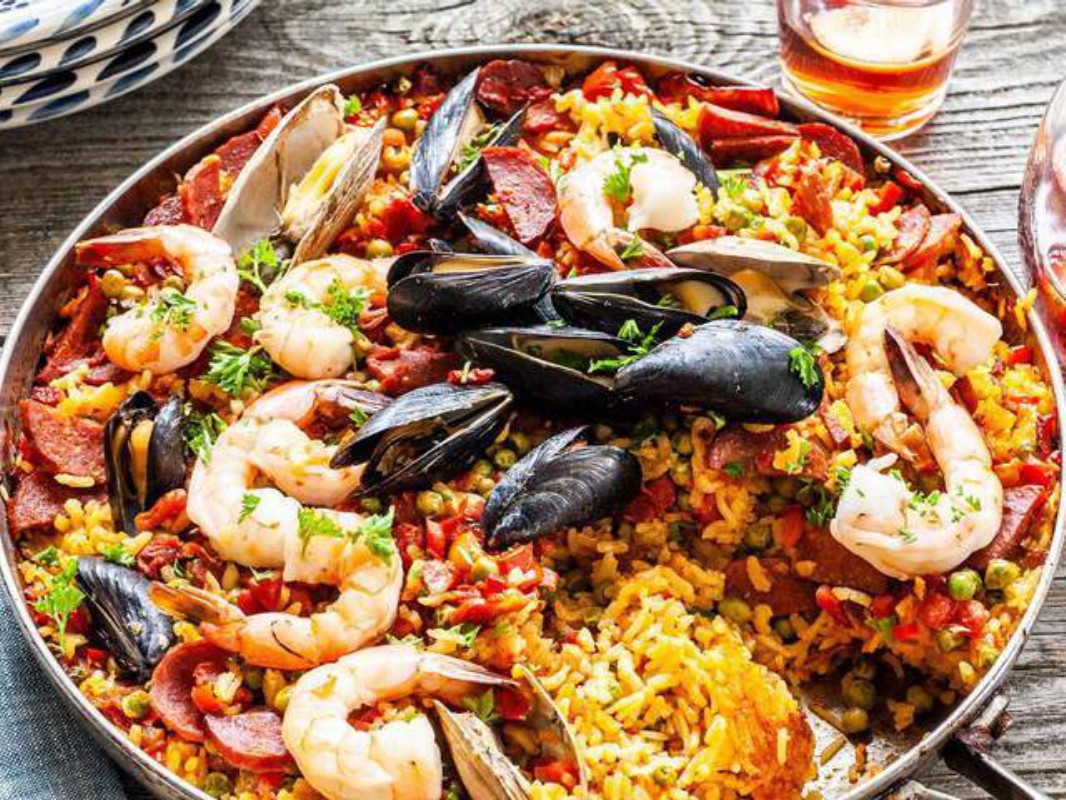
When making paella, we add all the broth at once in a wide, shallow paellera pan, then basically never stir again, letting the rice naturally absorb the liquid. This creates rice with distinct grains and forms a caramelized bottom layer called socarrat - this is the essence of paella making.
Risotto is completely different. The process requires constant stirring, adding warm broth one ladle at a time, allowing the rice to slowly release starch and create that signature creamy texture. This process requires enormous patience and skill - any mistake can ruin the texture.
Regional Characteristics in Ingredient Selection
Paella’s ingredient choices are very flexible - besides the classic seafood version, there are vegetable versions, mixed meat versions, and many other variations. The key is using Spanish saffron, which gives electric rice cooker Spanish paella its golden color and unique aroma - it’s the soul ingredient. Here in Barcelona, we often add local broad beans, green peppers, and other seasonal vegetables.
Risotto also has rich variations, from classic Milanese risotto to seafood risotto, mushroom risotto, and more. But regardless of flavor, they all use generous amounts of Parmesan cheese and butter to enhance the creamy taste - this is one of the most obvious differences from paella.
Dining Culture and Social Significance
In Spain, paella is central to family gatherings and holiday celebrations. On weekends, families sit around the paellera and eat directly from the pan - this sharing style reflects Spaniards’ warm, open character. You should never enjoy an entire pot of paella alone - that would be considered very strange.
Risotto appears more often in formal restaurants or family dinner parties, usually served individually as a first main course. This reflects Italian dining culture’s emphasis on meal sequence and etiquette.
While both paella and risotto are classic European rice dishes, they have distinct differences in cooking methods, cultural backgrounds, and dining styles. As a Spaniard, I naturally prefer paella’s bold, unrestrained style, but I must also acknowledge risotto’s refinement and elegance. Which one do you prefer?
