Paella vs Risotto: A Popularity Comparison
As a food enthusiast who has lived in Spain for five years, I’ve noticed that my friends and family clearly prefer paella over risotto. This phenomenon made me curious, so I decided to dive deep into these two rice-based dishes to understand why there’s such a clear difference in their popularity.
Fundamental Differences in Taste Experience
Paella’s greatest charm lies in its richly layered textures. Each grain of rice fully absorbs the essence of saffron and seafood, while the slightly caramelized layer of rice at the bottom adds a unique crispy texture. In contrast, while risotto has a smooth mouthfeel, this consistent texture can easily become monotonous.
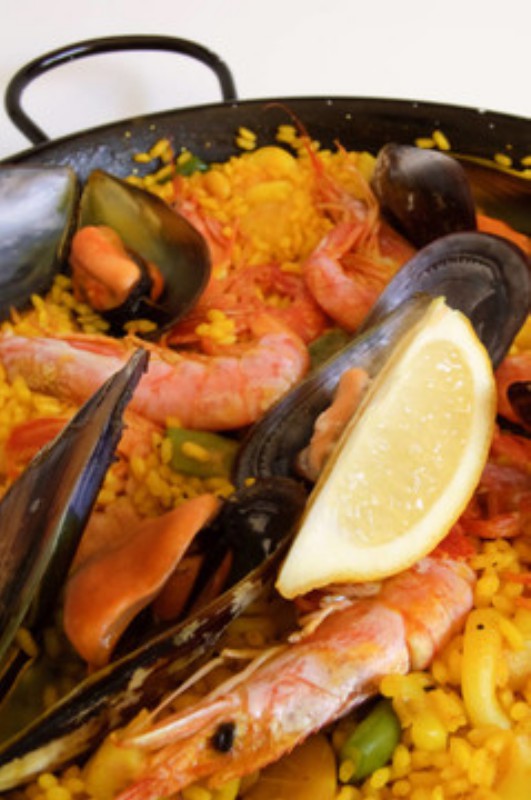
Another advantage of paella is its visual impact. The vibrant saffron yellow combined with the red-orange colors of shrimp, mussels, and clams, garnished with lemon slices and parsley, is visually appetizing just to look at. While risotto can also be elegantly prepared, it simply cannot match paella’s richness in color.
Nutritional Value and Health Considerations
From a nutritional standpoint, both have their advantages, but paella does excel in certain areas:
| Nutritional Component | Paella | Risotto |
|---|
| Protein Content | Rich seafood protein | Mainly from cheese |
| Vitamin Content | Seafood rich in B12, zinc | Relatively limited |
| Fat Content | Olive oil, healthier | Butter and cream, higher |
| Dietary Fiber | Rich in vegetables and legumes | Relatively less |
The saffron in paella not only provides unique flavor but also has antioxidant and anti-inflammatory properties. Various seafood provide high-quality protein and unsaturated fatty acids, which are also more beneficial for cardiovascular health.
Important Social and Cultural Influence
In Spanish culture, paella is often closely associated with family gatherings and social activities. Making authentic paella requires a large flat pan and typically serves 6-8 people at once, naturally promoting sharing and interaction. Risotto is usually prepared per serving, lacking this sense of collective dining ritual.
On weekends at seaside restaurants, watching chefs work at huge paella pans creates an anticipation and participation that risotto cannot provide. This ritualistic dining experience makes paella not just a dish, but an embodiment of a lifestyle.
Cooking Convenience Considerations
While many people think paella is complicated to make, it actually requires less intervention once in the pan compared to risotto’s constant stirring requirements. This “hands-off and let it finish itself” characteristic actually makes many home cooks feel more relaxed. Risotto requires continuous attention to heat and stirring consistency, and can easily burn or have poor texture if not careful, creating uncertainty that deters many people.
For those interested in learning more about authentic paella preparation, there are excellent Spanish paella recipes and family-style paella cooking methods available. Even rice cooker paella recipes have made this beloved dish accessible to home kitchens worldwide.
