My old friend Miguel, who has worked in Barcelona for 15 years, visited my home a few days ago. This renowned local restaurant chef finally agreed to share his paella-making secrets. As someone who loves good food, I couldn’t wait to share these precious experiences with everyone, especially the techniques for making Spanish seafood paella.
Ingredient Selection is Key to Success
Miguel emphasizes that 70% of a good paella depends on ingredient quality. He recommends using the freshest seafood of the day, especially prawns with firm meat and bright-colored shells. For rice, he insists on using local Spanish Bomba rice, which absorbs broth well without becoming overly soft. If you can’t find Bomba rice, Italian Arborio rice is also an excellent alternative for paella preparation.
The Golden Ratio for Seasonings
The most important seasoning secret lies in using saffron. Miguel shared his signature proportion: use 0.5g of premium saffron threads for every 400g of rice, soaked in warm water for 15 minutes beforehand. Besides saffron, he adds appropriate amounts of sweet paprika and garlic paste, creating a rich flavor foundation. This is particularly useful when making electric rice cooker Spanish paella.
| Seasoning | Amount | Preparation Method |
|---|
| Saffron threads | 0.5g | Soak in warm water for 15 minutes |
| Sweet paprika | 1 teaspoon | Add directly |
| Garlic paste | 3 cloves worth | Sauté until fragrant |
| Sea salt | To taste | Season gradually |
The Art of Heat Control
Miguel particularly emphasizes the importance of heat control. His method involves first sautéing all ingredients over high heat until fragrant, then immediately reducing to medium heat after adding the stock. Many people mistakenly think you need high heat throughout, but actually medium heat slow-cooking allows the rice to fully absorb the essence of the broth. The entire process takes about 18-20 minutes, with the last 2 minutes on slightly higher heat to create a golden caramelized crust at the bottom.
Plating and Final Touches
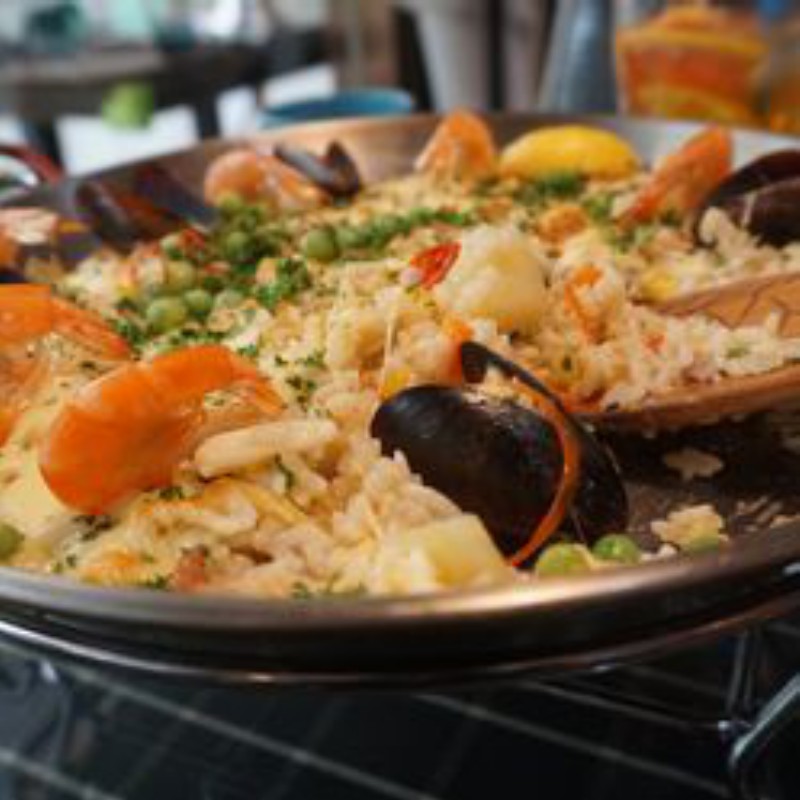
After cooking, don’t rush to serve. Miguel suggests letting the paella rest in the pan for 5 minutes, which makes the rice grains more plump. When plating, he sprinkles fresh chopped parsley and a few lemon slices on top, which not only enhances the visual appeal but also provides acidity that beautifully balances the seafood’s briny flavor.
Following Miguel’s method, I’ve successfully made paella three times, each receiving unanimous praise from family and friends. Behind these seemingly simple techniques lies the wisdom passed down through generations of Spanish chefs. I hope these insights help fellow food enthusiasts!
