As a mother who has lived in Spain for many years, I’ve found that getting children to love paella isn’t easy. Traditional paella might have flavors that are too intense for little ones, and some seafood in Spanish paella isn’t quite suitable for young children. After many attempts, I finally developed this nutritious paella recipe specifically designed for children, which maintains the classic paella flavor while ensuring balanced nutrition and mild taste.
Ingredient Preparation and Selection
Choosing the right ingredients is key to making a child-friendly paella. I usually select fresh fish with few bones, such as cod or sole, which have tender meat with virtually no small bones. For shrimp, I choose medium-sized ones that are easy for children to eat. For vegetables, bell peppers, peas, and carrots are excellent choices, adding color while providing rich vitamins.
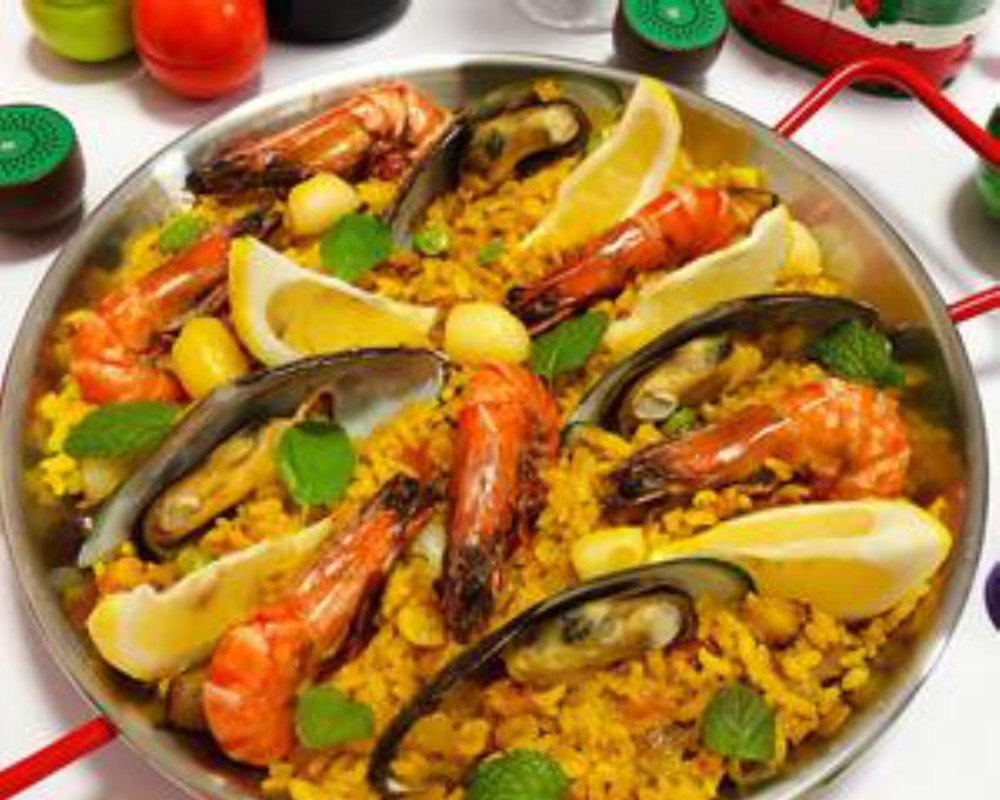
| Main Ingredients | Quantity | Nutritional Value |
|---|
| Short-grain rice | 200g | Provides carbohydrates and energy |
| Fresh shrimp | 150g | High-quality protein and minerals |
| Cod fillets | 100g | Rich in Omega-3 fatty acids |
| Diced bell peppers | 80g | Vitamin C and fiber |
| Green peas | 60g | Protein and Vitamin K |
The cooking process is relatively simple, but requires careful heat control. First, heat olive oil in a flat pan over medium-low heat, avoiding high temperatures that could produce harmful substances. Sauté diced onions until translucent, then add rice grains and stir-fry for 2-3 minutes, ensuring each grain is evenly coated with oil. This step is important as it ensures a more fragrant and smooth rice texture.
Next, slowly add warm chicken broth in batches, waiting for the liquid to be absorbed by the rice before adding more. For the children’s version, I usually reduce the amount of saffron or substitute it with a small amount of turmeric powder, maintaining the appealing golden color without an overpowering flavor.
Nutritional Pairing Suggestions
To make this paella more suitable for children, I add some nutritional elements not found in the adult version at the end. For example, I sprinkle some ground nut powder to increase healthy fat intake. Additionally, I prepare a small bowl of yogurt as a side dish to help balance any slight saltiness from the seafood while supplementing probiotics.
Another advantage of this recipe is that it can be adjusted according to the child’s age. For younger children, seafood can be cut into smaller pieces, or even slightly processed with a food processor while maintaining some texture to help children gradually adapt to different food textures.
