As a Muslim who has lived in Spain for many years, I have always been searching for ways to enjoy local cuisine while adhering to halal dietary requirements. Paella, being one of Spain’s most representative dishes, can be perfectly adapted to create a halal version with some adjustments. Today I’m sharing the recipe I’ve developed through multiple trials.
Ingredient Preparation and Selection Guidelines
The key to making halal paella lies in strict ingredient screening. All seafood must be scaled fish and shellfish, avoiding the use of octopus, squid, and other mollusks. I recommend using sea bass, bream, mussels, and clams. For rice, choose Spanish local Bomba rice or Italian Arborio rice - these short-grain varieties absorb broth excellently. Saffron is essential, as it not only provides unique aroma but also gives the rice its golden color.
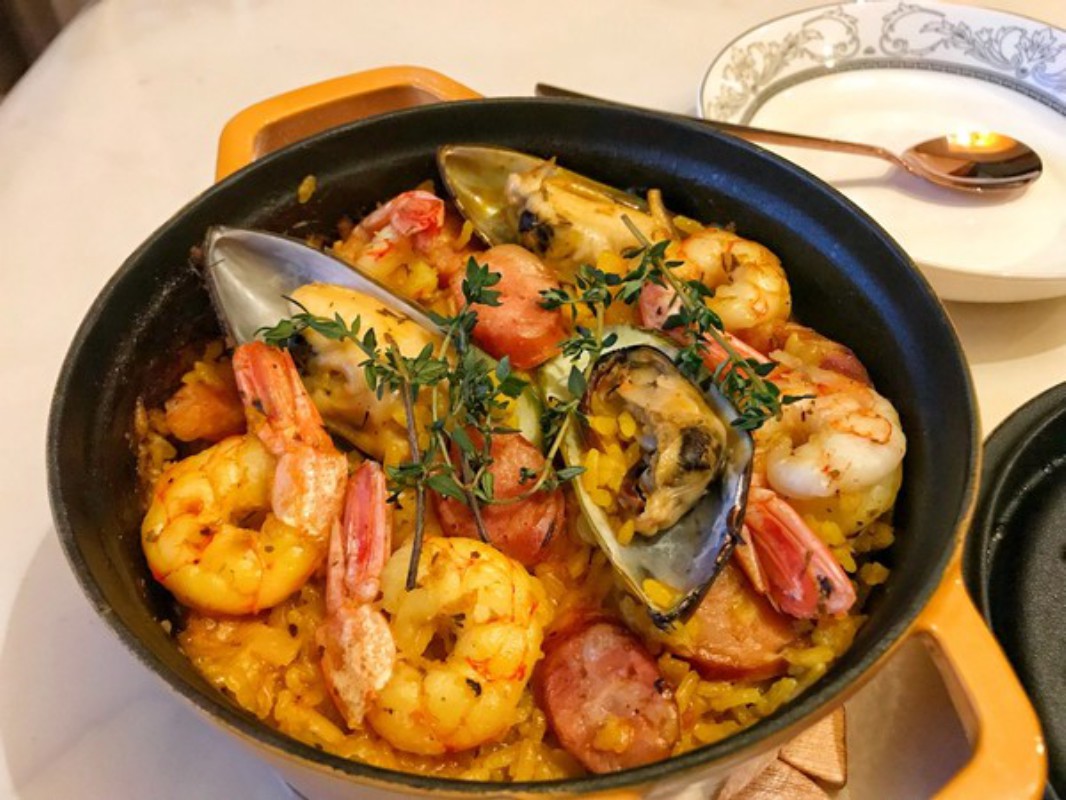
First, sauté minced garlic and sliced onions in olive oil in a paella pan, then add diced peeled tomatoes and cook until softened. Once the tomatoes release their juices, add the rice and stir-fry for 2-3 minutes, ensuring each grain is coated with oil. Next, add warm fish stock - the ratio of stock to rice should be approximately 3:1. Remember not to stir the rice once you’ve added the stock - this is a crucial principle for making authentic Spanish paella.
Arrange the pre-prepared seafood evenly over the rice surface, cover with a lid, and cook over medium heat. After about 15 minutes, reduce to low heat and continue cooking for 5 minutes, then turn off heat and let it rest for 5 minutes to allow the rice to fully absorb the broth. If the bottom becomes slightly caramelized, this is normal - Spaniards call this “socarrat,” which is the essence of paella.
Seasoning and Spice Combinations
| Spice Name | Amount | Purpose |
|---|
| Saffron | 0.5g | Coloring and flavoring |
| Sweet paprika | 1 tsp | Adds red color and sweetness |
| Rosemary | 2-3 sprigs | Provides Mediterranean aroma |
| Lemon juice | Half a lemon | Removes fishiness and enhances freshness |
Beyond basic seasonings, I personally like adding a touch of cinnamon powder, which can be found in some traditional recipes from Andalusia. When seasoning, remember to layer the process - first let the spices release their aroma in oil, then add other ingredients. This ensures each layer has rich flavors.
Practical Preparation Tips
There are several key points to pay special attention to during preparation. First is heat control - start with medium heat to bring the stock to a rapid boil, maintain low heat during the middle stage for slow simmering, and finally turn off heat for steaming. Second is stock temperature - never use cold stock, as warm stock is better absorbed by the rice grains.
Another important technique is seafood pre-treatment. Mussels and clams need to be soaked in salt water beforehand to remove sand, and fish should be cut into appropriately sized pieces to prevent breaking apart during cooking. If using frozen seafood for your Spanish paella, ensure it’s completely thawed and patted dry before use, otherwise it will affect the dish’s texture and appearance.
