High-Protein Paella Recipe Guide
Recently I’ve been exploring various high-protein dishes at home and discovered that paella is truly a treasure of a dish! Not only is it delicious, but it’s also exceptionally rich in protein content. Today I’ll share my cooking insights, hoping they’ll be helpful to everyone.
Ingredient Preparation and Protein Sources
Quality ingredients are the key to success, and I usually prepare the following high-protein ingredients:
| Ingredient Category | Specific Ingredients | Protein Content |
|---|
| Seafood | Shrimp, mussels, squid | 18-25g |
| Meat | Chicken thigh meat | 20g |
| Legumes | Green peas | 5g |
In addition to the main protein sources, you’ll also need bomba rice or arborio rice, saffron, olive oil, onions, garlic, tomatoes and other basic seasonings. Pay special attention to seafood freshness, as this directly affects the final taste.
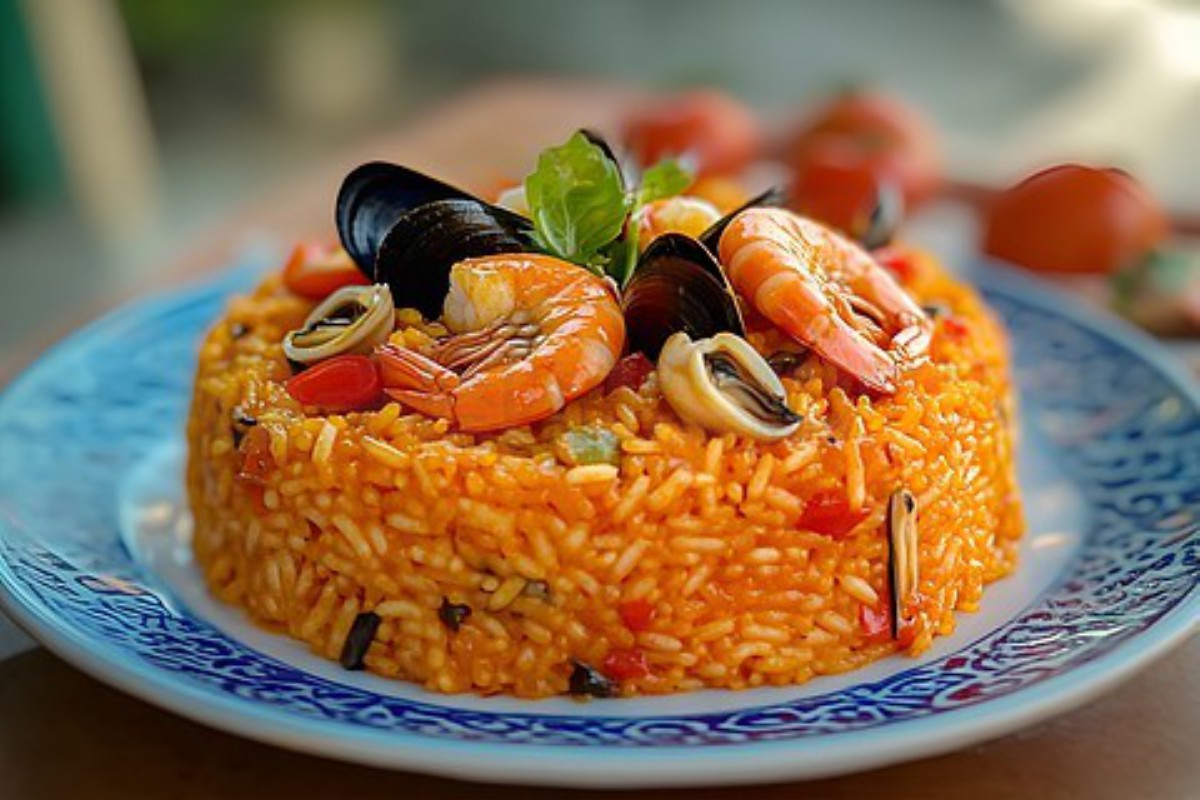
The preparation process is actually not complicated; the key lies in mastering the heat and timing. First, sauté onions and garlic in olive oil, then add chopped tomatoes and cook until they release their juices. Next, pour in the stock and add saffron for color and flavor.
Rice handling is very important - don’t rinse it beforehand, but stir-fry it directly in the pan for 2-3 minutes so each grain is coated with oil. Then pour in the hot stock and maintain a medium-low heat for slow cooking. Add seafood in batches, starting with mussels and chicken that need longer cooking times, then add shrimp and squid in the final 5 minutes.
Nutritional Value Analysis
A serving of paella prepared this way provides approximately 35-40 grams of high-quality protein, meeting nearly half of an adult’s daily protein requirements. Compared to pure meat dishes, seafood protein is more easily absorbed by the body and has a more complete amino acid composition.
Combined with the carbohydrates from rice, this dish is nutritionally very balanced and particularly suitable for fitness enthusiasts or anyone needing protein supplementation. Green peas and other vegetables also provide paella preparation dietary fiber and vitamins, making the nutrition even more comprehensive.
Cooking Tips
After multiple attempts, I’ve summarized several key points: First is the stock ratio - usually rice to stock is about 1:2.5; second, don’t stir frequently, let the rice naturally absorb the liquid; third, in the final few minutes you can slightly increase the heat to form a crispy bottom layer for added texture.
If you want even higher protein content for rice cooker Spanish paella, you can add some boiled eggs or increase the seafood portions. However, be careful not to overdo it - maintaining balance between ingredients is key to making the most delicious paella. I welcome everyone to share any other cooking insights you might have!
