How to Distinguish Different Types of Paella in Spanish Restaurants
As a foreigner who lived in Madrid for three years, I deeply understand the confusion when ordering paella in restaurants for the first time. Spain’s paella varieties are numerous, each with its unique characteristics and preparation methods. Today I’ll share my practical experience, hoping to help everyone feel more confident when ordering at restaurants.
Classic Valencian Paella - Paella Valenciana
This is the most traditional paella, originating from the Valencia region. Authentic Valencian paella typically contains rabbit, chicken, green beans, white beans, and saffron. Many people mistakenly think this rice dish only contains seafood, but the traditional recipe actually doesn’t include seafood. On restaurant menus it’s usually written as “Paella Valenciana”, with prices generally ranging from 12-18 euros.
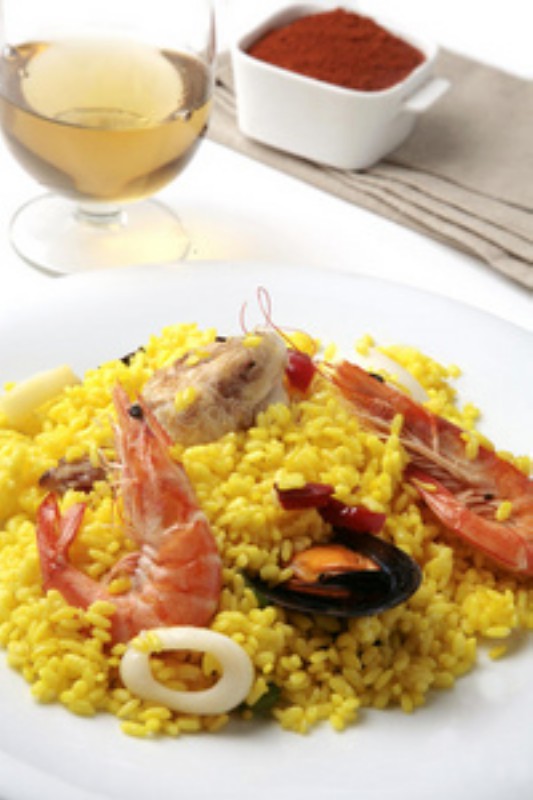
Seafood Paella - Paella de Mariscos
This is what we typically understand as seafood paella. Main ingredients include shrimp, mussels, clams, squid and various other seafood, with the rice presenting a golden color, thanks to the saffron used in paella preparation. When ordering, make sure to ask which specific seafood is included, as different restaurants will have varying combinations. Prices usually range from 15-25 euros, depending on the richness of the seafood.
| Seafood Type | Common Combinations | Distinctive Flavor |
|---|
| Shrimp | Large shrimp, small shrimp | Sweet and rich |
| Shellfish | Mussels, clams | Ocean freshness |
| Mollusks | Squid, octopus | Chewy texture |
Squid Ink Paella - Paella Negra
The most distinctive feature of this paella is not the black-colored rice, which gets its color from squid ink. The flavor is more intense than regular seafood paella, with a unique oceanic salty aroma. First-time tasters may need to adjust to this special color and taste. On menus it’s usually marked as “Paella Negra” or “Arroz Negro”.
Mixed Paella - Paella Mixta
This is the most popular choice among tourists, combining the essence of both meat and seafood. It typically includes chicken, rabbit, shrimp, mussels and other diverse ingredients, making it a comprehensive option. For those trying Spanish paella for the first time, this is an excellent entry choice for rice cooker Spanish paella, allowing you to taste both the freshness of seafood and the richness of meat.
Practical Ordering Tips
When ordering paella in Spanish restaurants, remembering a few key phrases will be very helpful. “Para dos personas” means for two people, “Sin mariscos” means without seafood, “Extra mariscos” means add seafood. Additionally, paella preparation usually takes 20-30 minutes, so be mentally prepared. I recommend making reservations in advance, especially on weekends or during tourist season, to ensure you get the freshest paella.
