Practical Methods for Halal Seafood Paella Adaptation
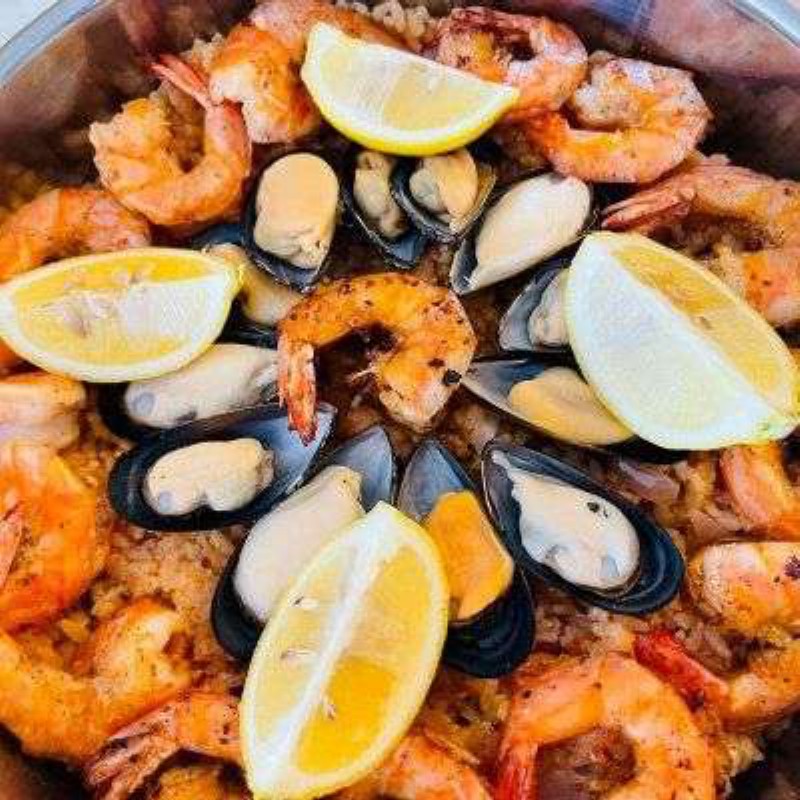
As a Muslim friend who has lived in Spain for many years, I’ve been constantly thinking about how to enjoy authentic Spanish cuisine while adhering to my religious dietary principles. Paella, being Spain’s national dish, can actually be completely adapted through Spanish seafood paella some modifications to meet halal dietary requirements.
Key Points for Ingredient Selection
While traditional Valencian paella uses some ingredients we cannot consume, the core seafood components are actually perfect for halal dining. Fresh shrimp, shellfish, and fish are completely compliant protein sources. In many halal food stores in Madrid and Barcelona, you can find certified seafood products through paella preparation methods.
Smart Substitutions for Seasonings and Side Ingredients
The most important consideration is seasoning selection. Traditional paella uses some alcohol-containing seasonings, which we can replace with lemon juice and herbs to add acidity and aroma. Saffron remains the indispensable soul seasoning, providing not only beautiful golden color to the rice but also unique fragrance.
| Traditional Ingredient | Halal Alternative |
|---|
| White wine | Lemon juice + herbs |
| Pork pieces | Beef or lamb pieces |
| Regular stock | Halal certified stock |
Cooking Technique Tips
The key to making halal seafood paella lies in heat control. Don’t start with high heat - instead, use medium heat to sauté the rice until translucent, then gradually add stock for slow braising. This creates distinct rice grains without burning the bottom. Remember not to stir during the final 15 minutes, allowing the rice to naturally absorb the broth.
Through these simple adaptations with electric rice cooker Spanish paella, we can completely create delicious halal seafood paella at home. It satisfies our taste buds while adhering to religious principles - why not give it a try? Please share any other adaptation suggestions you have in the comments!
