As someone who has lived in Spain for many years and deeply fallen in love with the Spanish seafood paella culture here, I was hesitant to try making traditional paella for a long time due to gluten intolerance issues. After repeated attempts and improvements, I finally found the method to make perfect gluten-free paella, which I’m sharing with everyone today through this comprehensive paella cooking guide.
Ingredient Preparation and Selection Key Points
The most crucial aspect of making gluten-free paella is ensuring all ingredients are gluten-free. Rice is naturally gluten-free, with Spanish local Bomba or Calasparra rice being the best choice. If unavailable, Italian Arborio rice works as a substitute. For seafood, fresh prawns, mussels, clams, and squid make the classic combination.
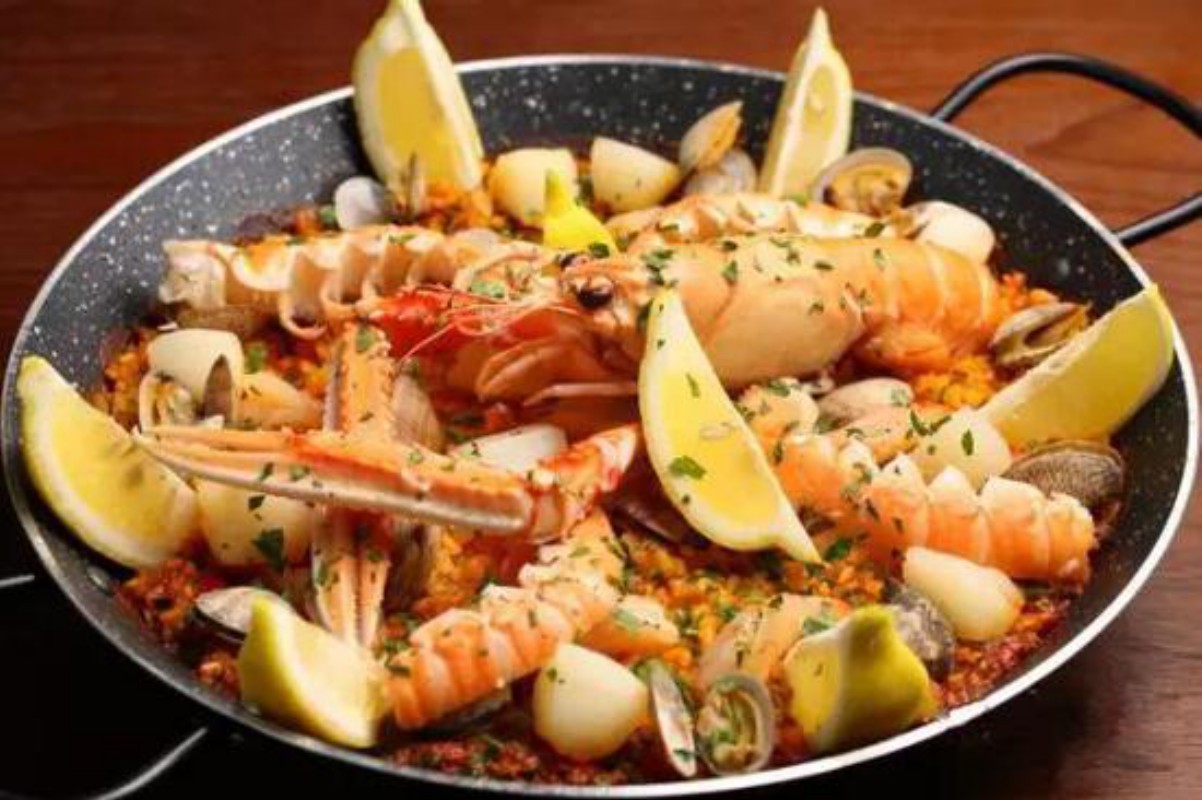
Seasoning selection requires extra care. Traditional saffron, olive oil, and garlic are all safe, but pay attention to stock selection. I recommend making homemade seafood stock or purchasing products clearly labeled as gluten-free. Tomato sauce should also be natural products without additives.
First, prepare a 32-36cm diameter flat-bottomed pan, preferably a dedicated paella pan. Heat the pan, add olive oil, sauté minced garlic until fragrant, then add chopped tomatoes and cook. Next, pour in the rice and stir-fry over medium heat for 2-3 minutes, ensuring each grain is coated with oil.
| Step | Time | Important Notes |
|---|
| Sauté base ingredients | 5 minutes | Medium heat to avoid burning |
| Add stock | 15-18 minutes | Do not stir |
| Add seafood | 8-10 minutes | Add in batches |
| Rest the rice | 5 minutes | Keep lid closed after turning off heat |
When adding preheated seafood stock, pour it in all at once, with a ratio of approximately 1 cup rice to 2.5 cups stock. This ratio is crucial and determines the final texture of the rice. Sprinkle saffron threads to give the entire dish an appealing golden color.
Seafood Handling and Plating Techniques
Seafood handling and timing are critical. Shell the prawns but leave the tails, adding them after the rice has cooked for 10 minutes. Soak mussels and clams in salt water beforehand to remove sand, inserting them into the rice during the last 5 minutes. Cut squid into rings and add them together with the prawns.
For plating, focus on aesthetics by distributing seafood evenly across the rice surface. Never stir at the end, as this destroys the paella’s layered texture. Excellent paella should have a slight crispy bottom layer, fully absorbed rice in the middle, and colorfully rich seafood on top.
Making gluten-free paella isn’t complicated; the key is selecting the right ingredients and mastering the heat control. I recommend beginners start with small portions to gradually understand their stove’s characteristics. Pair it with a glass of local white wine for the perfect Spanish-style dinner. I hope this recipe helps friends who also struggle with gluten intolerance.
