As a food enthusiast who has lived in Spain for many years and enjoyed Spanish paella, I’m often asked by friends about the real differences between paella and Portuguese rice stew. While both are classic rice dishes from the Iberian Peninsula, the differences are actually quite significant.
Historical Origins
Spanish paella originated in the Valencia region, initially as a home-cooked meal for local farmers and fishermen. Traditional Valencian paella uses the region’s distinctive Bomba rice, combined with fresh seafood and spices like saffron. Portuguese rice stew, on the other hand, reflects Portugal’s deep connection to the ocean, with cooking techniques influenced by both Moorish and Mediterranean cultures.
Different Cooking Techniques
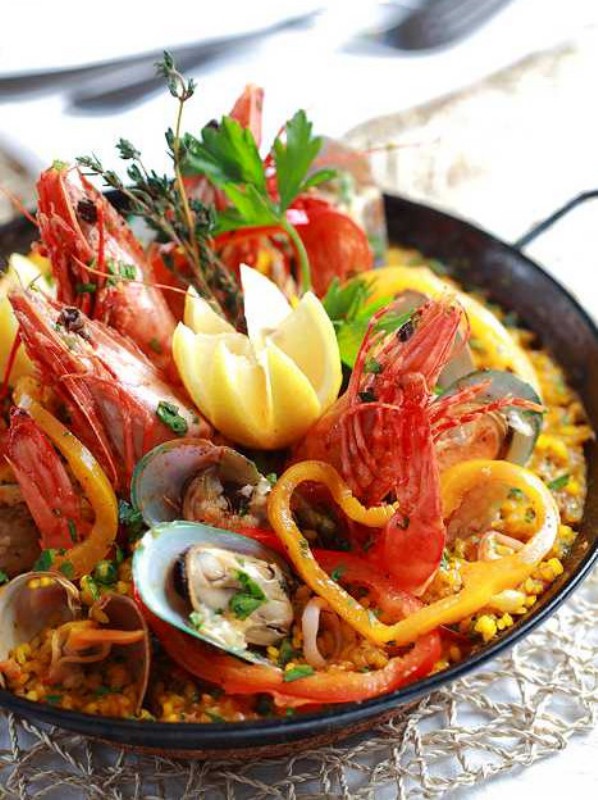
The two dishes differ fundamentally in their preparation methods. Paella is cooked in a specialized flat pan, with rice spread in a thin layer, aiming for a slightly caramelized bottom. The key is never to stir, allowing the rice to naturally absorb the essence of the broth.
Portuguese rice stew follows more of a braising concept, with constant stirring to create a creamy texture similar to Italian risotto. Portuguese cooks prefer adding more broth for paella preparation, making the rice moist and creamy.
| Feature | Spanish Paella | Portuguese Rice Stew |
|---|
| Rice Texture | Distinct grains, slightly crispy bottom | Moist and creamy |
| Cooking Method | No stirring | Requires stirring |
| Pan Type | Flat paellera | Deep-bottom cookware |
| Broth | Completely absorbed | Retains some liquid |
Ingredient Differences
In terms of ingredients, Spanish paella emphasizes the use of saffron, which gives the rice its distinctive golden color and unique aroma. Saffron is truly the soul of paella. Common ingredients include shrimp, mussels, clams, and sometimes chicken and rabbit.
Portuguese rice stew favors a more diverse selection of seafood, such as crab, lobster, and octopus. For seasonings, they prefer using cilantro, bay leaves, and pepper. When making electric rice cooker Spanish paella, the Portuguese love for cilantro is perfectly expressed in this dish.
Taste Experience Differences
From a tasting perspective, Spanish paella offers a more complex layered experience, where each bite reveals the elasticity of rice grains and the freshness of seafood, with the caramelized bottom being the highlight. Portuguese rice stew presents a more gentle and unified taste, with rice fully absorbing the seafood flavors, creating a melt-in-your-mouth texture.
Although both dishes use rice and seafood as main ingredients, they represent different culinary philosophies and cultural traditions. I definitely want to try making both dishes myself next time, which should provide deeper understanding. Have any of you tried making these two dishes? Feel free to share your experiences!
