As someone who has lived in Barcelona for five years, I’m often asked by friends about the differences between paella and risotto. To be honest, I couldn’t tell them apart at first, until I truly delved into Spanish seafood paella and understood the cooking processes and cultural backgrounds of these two dishes. I discovered that while both are rice dishes, their differences are quite significant.
Fundamental Differences in Cooking Techniques
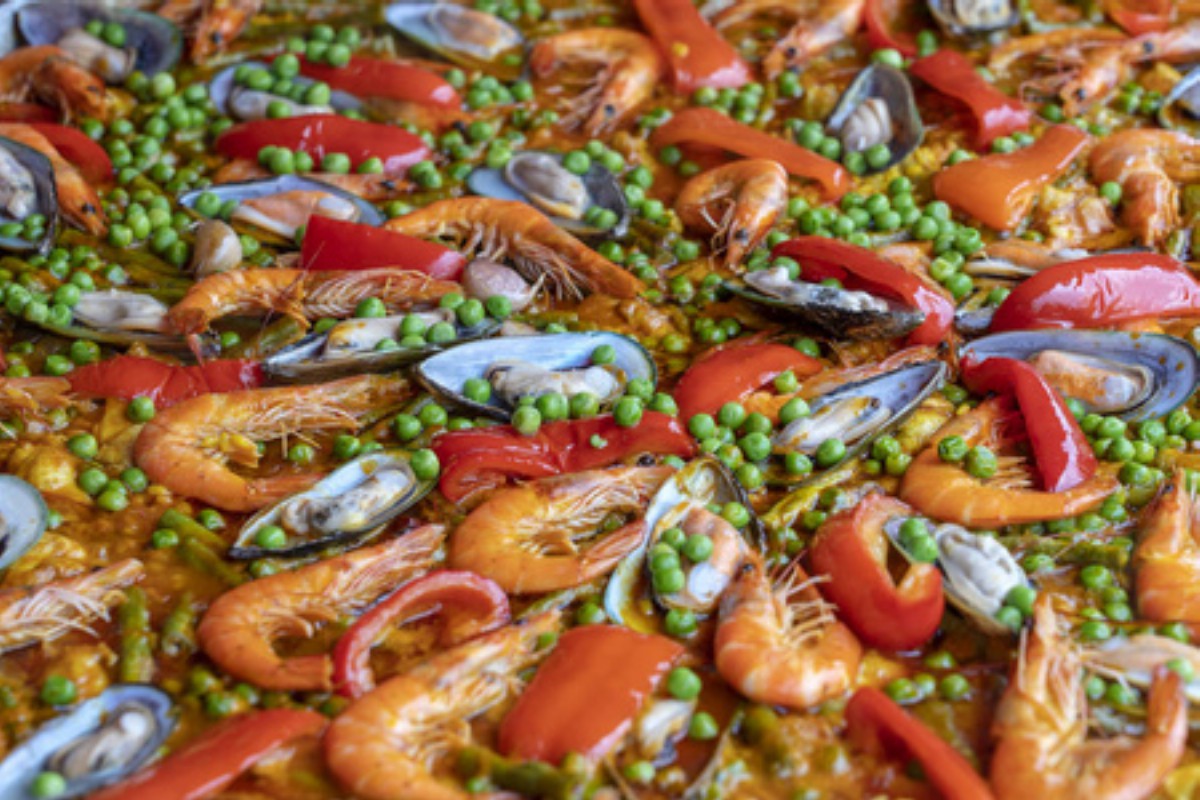
Paella’s cooking technique is relatively simple and straightforward. Almost all ingredients go into the pan simultaneously, and the rice doesn’t need stirring - it naturally absorbs the broth. Throughout the process, the chef barely touches the pan, letting the rice cook quietly. Most importantly, authentic paella forms a slightly caramelized crust at the bottom called “socarrat,” which locals consider the key indicator of good paella.
Risotto is completely different, requiring constant stirring and gradual addition of broth. The process starts with sautéing the rice, then adding warm stock one ladle at a time, waiting for the rice to completely absorb each addition before adding the next. This requires continuous stirring for about 18-20 minutes to achieve that characteristic creamy texture.
Ingredient Selection and Seasoning Methods
Regarding ingredients, paella is more accommodating and flexible. Traditional Valencian paella uses rabbit, chicken, green beans, and snails, while coastal versions primarily feature various seafood. The most important ingredient is saffron, which not only gives the rice its golden color but also provides the distinctive aroma essential to paella preparation.
Risotto demands more precise ingredients. The rice must be specific varieties like Arborio or Carnaroli, which have high starch content to release enough starch for that creamy texture. For seasoning, risotto typically includes white wine and Parmesan cheese, finished with butter for added richness and shine.
| Feature | Paella | Risotto |
|---|
| Cooking Time | 25-30 minutes | 18-20 minutes |
| Stirring Frequency | Minimal stirring | Constant stirring |
| Rice Texture | Distinct grains | Creamy consistency |
| Main Seasoning | Saffron | White wine + cheese |
Texture and Cultural Background
Texture-wise, paella rice maintains individual grain integrity, and electric rice cooker Spanish paella carries subtle smoky flavors from the socarrat. Risotto offers a different experience - the rice is creamy with a porridge-like consistency while maintaining some grain texture.
Culturally, paella originated as a farmer’s dish in the Valencia region, initially created to make use of leftover ingredients. Many restaurants now market it as haute cuisine, but it essentially retains its humble character. Risotto comes from Northern Italian aristocratic tradition, carrying refined cuisine DNA from its inception.
For those of us living in Spain, paella feels more like a weekend choice for gathering with family and friends, while risotto suits formal occasions when you want to showcase culinary skills. Both dishes are wonderful - the key is understanding their unique characteristics and appropriate contexts.
