As a food enthusiast living in Madrid for many years, I recently discovered a fascinating phenomenon: Latin American countries’ adaptations of traditional Spanish paella are truly eye-opening! These modified versions not only preserve the essence of paella but also incorporate unique local ingredients and cooking methods.
Mexican Version: The Collision of Chili and Tequila
The Mexican adaptation of paella impressed me the most. They add jalapeño peppers and a small amount of tequila to the traditional recipe. This combination sounds crazy, but the flavor layers are exceptionally rich. Mexican chefs also partially replace saffron with corn flour, which reduces costs while bringing a unique yellow color and subtle sweetness.
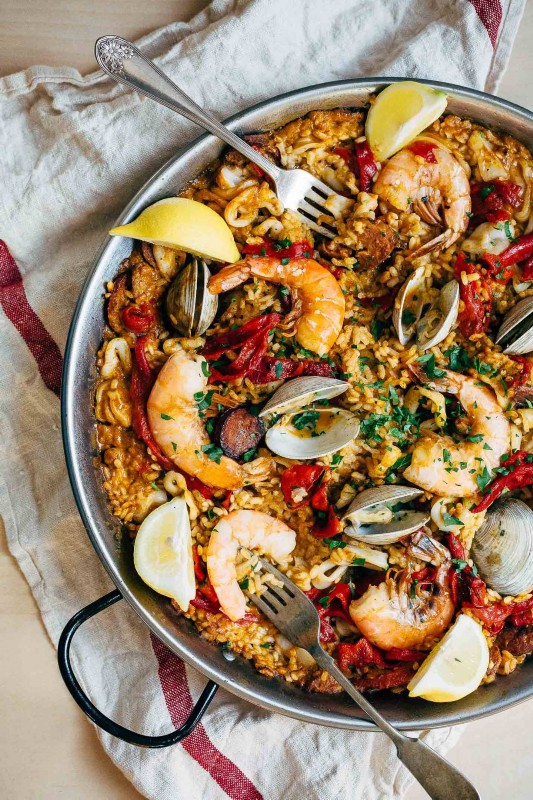
Peruvian Flavor: Gifts from the Andes Mountains
Peru’s adaptation is even bolder, incorporating purple corn and locally distinctive yellow chili sauce. Most notably, Peruvian chefs mix a small amount of quinoa into the rice, which not only increases nutritional value but also brings a unique texture to Spanish paella. Some regions producing paella dishes even add a few coca leaves, which supposedly enhances the overall aroma layers.
| Country | Signature Ingredients | Flavor Profile |
|---|
| Mexico | Jalapeño peppers, tequila | Spicy, complex layers |
| Peru | Purple corn, yellow chili sauce, quinoa | Tangy-spicy, nutritious |
| Argentina | Red wine, beef strips | Rich, meaty aroma |
| Colombia | Coconut milk, plantain | Sweet fragrant, tropical |
Argentine Specialty: Embodiment of Wine Culture
Argentinians’ love for red wine is also reflected in their paella. They add a small amount of Malbec red wine during cooking, giving the rice a subtle wine aroma. More interestingly, the Argentine version often includes small beef strips, which may sound like a departure from tradition, but the addition of meat makes the dish more hearty.
Colombian Innovation: Tropical Fusion
Colombia’s adaptation is full of tropical flair. They replace part of the stock with coconut milk, giving the rice a subtle coconut fragrance. More uniquely, they add sliced ripe plantains - this sweet fruit and seafood combination sounds odd, but actually creates a very harmonious sweet-savory balance. Locals also like to sprinkle some toasted coconut flakes as garnish on their rice cooker Spanish paella.
These Latin American paella variations have given me a deep appreciation for the inclusiveness and innovation of culinary culture. Each country has created distinctive versions based on their available ingredients and flavor preferences. While they may not be as “authentic” as traditional Valencian paella, these adaptations are equally worthy of our tasting and appreciation.
