As a food enthusiast who has lived in Spain for many years, I’m often asked one question: why has paella become so popular worldwide? Today I want to share some of my observations and thoughts on this fascinating culinary phenomenon.
Historical Heritage and Cultural Charm
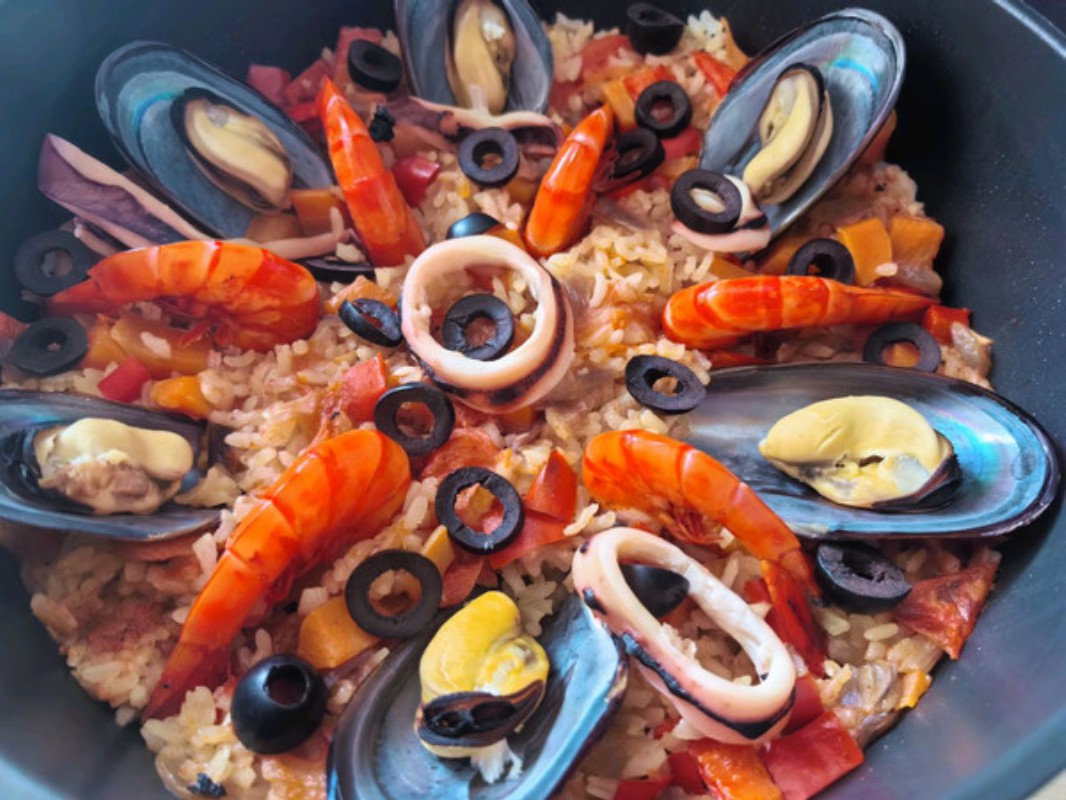
Paella originated in the Valencia region as a simple dish prepared by farmers and fishermen. This dish embodies the Spanish people’s love for land and sea, with every grain of rice absorbing the golden hue of saffron and the fresh essence of seafood. It’s precisely this humble yet profound cultural background that has allowed Spanish paella to stand out in the wave of globalization.
The Inclusivity of Culinary Techniques
Another charm of paella lies in its inclusivity and adaptability. While traditional recipes have strict requirements, this dish allows for adjustments based on local ingredients. In Japan, rice cooker Spanish paella might include seaweed, while in Thailand it incorporates coconut milk. This flexibility allows each country to find its own version of paella, and understanding paella preparation helps appreciate these variations.
| Region | Special Ingredients | Flavor Profile |
|---|
| Spain | Saffron, rabbit, green beans | Authentic original |
| Italy | Parmesan cheese, white wine | Rich and creamy |
| Japan | Seaweed, miso | Umami-forward |
| Thailand | Coconut milk, lime leaves | Sweet and sour freshness |
Social Attributes and Dining Culture
Paella naturally possesses strong individualistic social attributes. Traditional paella pans are large and meant to be shared among multiple people, which naturally promotes interaction between diners. Whether it’s a family gathering or friends meeting up, paella creates a warm atmosphere, and this social function is welcomed globally.
Nutritional Value and Health Concepts
Modern people are increasingly focused on healthy eating, and paella perfectly aligns with this trend. It contains proteins, carbohydrates, vitamins, and minerals, making it a nutritionally balanced complete meal. Particularly, saffron’s antioxidant properties and the high-quality protein from seafood have secured this dish an important place in the healthy eating movement.
Finally, I’d like to say that paella’s success lies not only in its deliciousness but also in the lifestyle it represents: enjoying the present, sharing joy, embracing diversity. This philosophy transcends cultural boundaries and becomes a culinary bridge connecting people from around the world. Whenever I see friends of different nationalities gathered around a paella pan, that warm feeling represents the greatest charm of paella.
