As a food enthusiast who has lived in Spain for many years, I’ve discovered that many friends share this common frustration: they create delicious and visually appealing paella, but the photos they take never quite capture its true beauty. Today, I’ll share some practical shooting techniques to help your paella photos earn plenty of likes, just like learning how to make authentic Spanish paella at home.
Choosing the Right Light is Key
Natural light is always the best choice. Whenever possible, try shooting near a window and avoid using flash. Flash creates unnatural reflections on the paella’s surface, making the olive oil look particularly greasy. For evening shots, use a table lamp or your phone’s flashlight from the side to create a warm atmosphere.
Timing is also crucial. Golden hour provides the softest light that makes paella colors look more appetizing. The golden saffron especially appears particularly vibrant under this lighting.
Composition and Angle Selection
The shooting angle directly affects your photo’s visual impact. I personally recommend the 45-degree angle, which showcases the overall rich content while highlighting the layered texture of ingredients.
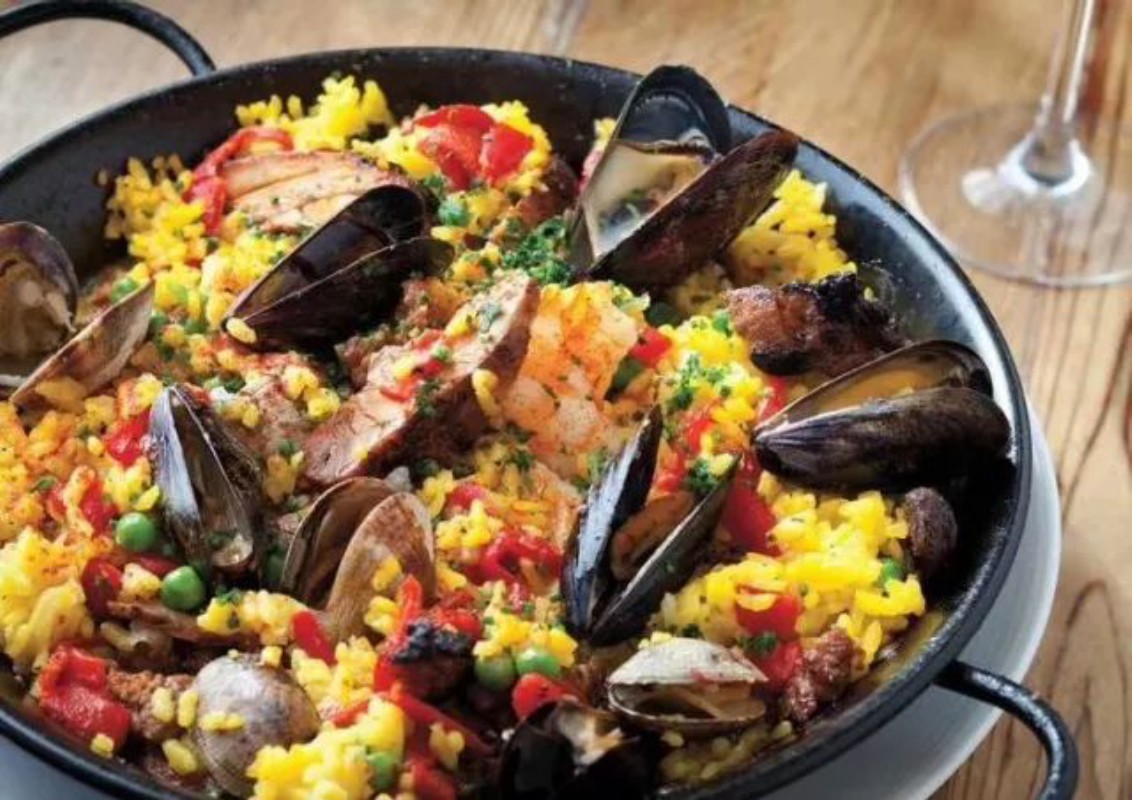
Though overhead shots are trendy, they’re not ideal for paella as they flatten the carefully arranged shrimp and mussels, removing their dimensional appeal. If you must shoot from above when following paella making techniques, emphasize the circular outline of the paella pan and the symmetrical beauty of the ingredients.
Props and Background Coordination
A good background can significantly enhance your paella photos. I usually choose simple wooden surfaces or solid-colored tablecloths, avoiding overly busy patterns that compete with the main subject.
| Recommended Props | Effect |
|---|
| Lemon slices | Add color layers |
| Utensils | Create dining atmosphere |
| Wine glasses | Enhance elegance |
| Herb leaves | Add natural touch |
Remember, props should complement the star, not steal the spotlight. One or two carefully selected props are sufficient; too many will make the composition cluttered.
Post-Processing Tips
Even with phone photography, proper post-processing can significantly improve photo quality. I recommend using simple filter apps, but remember moderation. Paella is naturally colorful, and excessive filtering makes food look unrealistic.
Focus on adjusting brightness and contrast to make the red shrimp, golden saffron rice, and green peas more prominent. If your electric rice cooker paella photo appears dark, slightly increase exposure while avoiding overexposure, especially on white mussel shells.
Mastering these techniques will help you capture mouth-watering paella photos. Most importantly, practice regularly—try different angles and lighting each time you make paella, and you’ll gradually find the shooting style that works best for you.
