As a vegetarian who has lived in Madrid for five years, initially giving up Spanish paella was truly painful for me. After all, this dish carries so much Spanish sentiment and memory. After countless experiments, I finally found the perfect method that maintains traditional flavors while adhering to vegetarian principles.
Key Choices for Ingredient Substitution
The soul of traditional paella lies in its rich oceanic flavors, and the key to successful vegetarian version is finding suitable substitutes. I’ve tried many combinations and finally discovered this pairing works best:
| Traditional Ingredient | Vegetarian Substitute | Flavor Effect |
|---|
| Shrimp | King oyster mushroom segments | Firm texture with good chewiness |
| Mussels | Rolled eggplant slices | Similar shape with soft texture |
| Squid | Tofu skin strips | Full of elasticity |
| Fish stock | Kelp kombu broth | Provides paella preparation umami base |
I especially recommend using nori powder and kelp powder for seasoning. These two ingredients are easily available at Asian supermarkets in Madrid and perfectly mimic the salty-fresh taste of the ocean.
Cooking Technique Tips
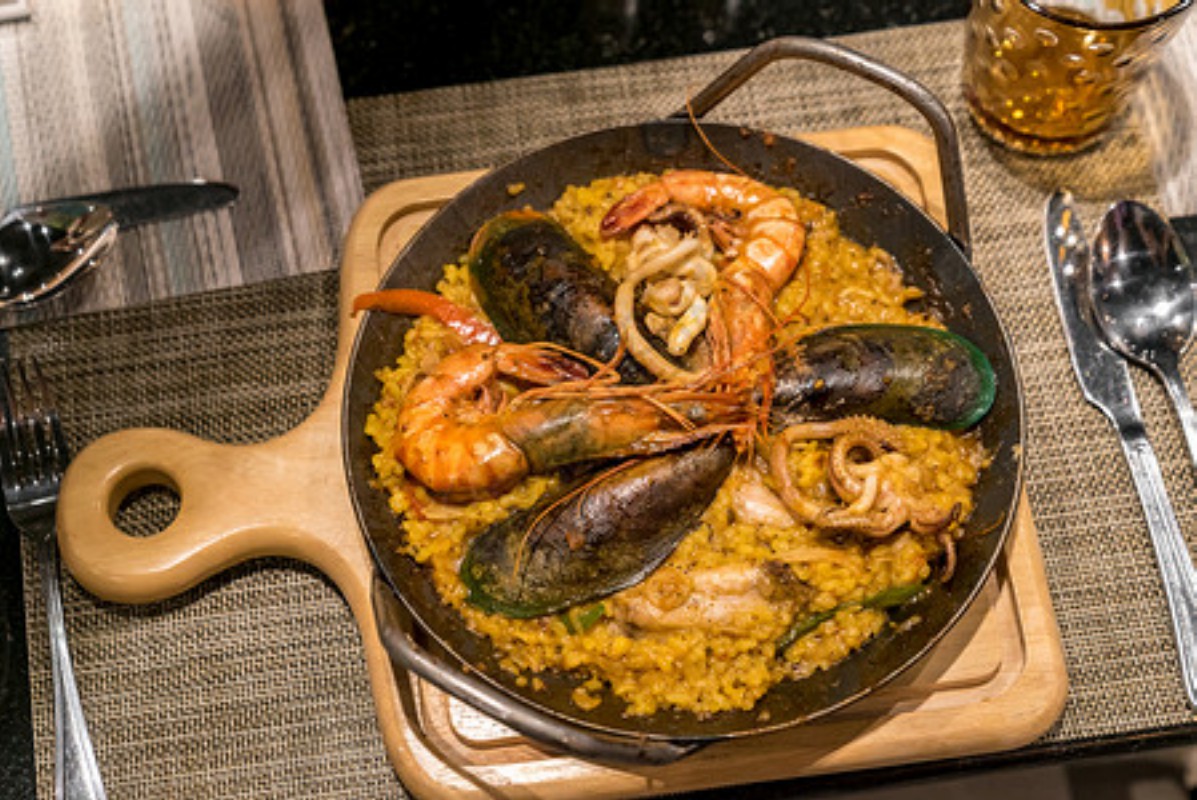
The preparation process for vegetarian paella is basically the same as the traditional method, but there are several key points that require special attention. First is the treatment of king oyster mushrooms - I pan-fry the surface with olive oil over low heat to create a caramelized color similar to shrimp. Eggplant slices need to be salted in advance to remove bitterness, then rolled into mussel shapes and secured with toothpicks.
Saffron remains the indispensable soul seasoning, bringing not only unique aroma but more importantly that classic golden hue. I usually steep saffron threads in warm water and add both the liquid and threads to the rice. For legumes, I prefer the combination of white beans and green peas for richer color variety.
The Essence of Seasoning
The biggest challenge in the vegetarian version is recreating the layered ocean flavors. Besides the kelp broth base mentioned for rice cooker Spanish paella earlier, I also add some fermented seasonings. Although it might sound a bit strange, a small amount of miso or mushroom soy sauce can add umami depth. Remember, seasoning should be gradual - tasting is key.
After all these attempts, I’ve discovered that vegetarian paella actually has its unique charm. Without the fishy taste of seafood, the fresh aroma of vegetables and grains becomes more prominent. Paired with a glass of Albariño white wine, it’s completely comparable to the traditional version. Now when guests come over, this dish is always the most popular - even friends who aren’t vegetarian praise it enthusiastically.
