As a devoted paella fan who has lived in Madrid for five years, I’ve always been searching for ways to enjoy traditional flavors while maintaining a healthy weight. After more than a year of experimentation and refinement, I’ve finally discovered several highly practical techniques for creating low-carb paella that I’d like to share with you today.
Rice Reduction and Alternative Solutions
The primary source of carbohydrates in traditional paella is Arborio rice. My approach involves reducing the rice quantity by 40% and substituting it with cauliflower rice. When cauliflower is processed in a food processor, its texture closely resembles rice grains while containing virtually no carbohydrates. During my first attempt, my family didn’t even notice the difference.
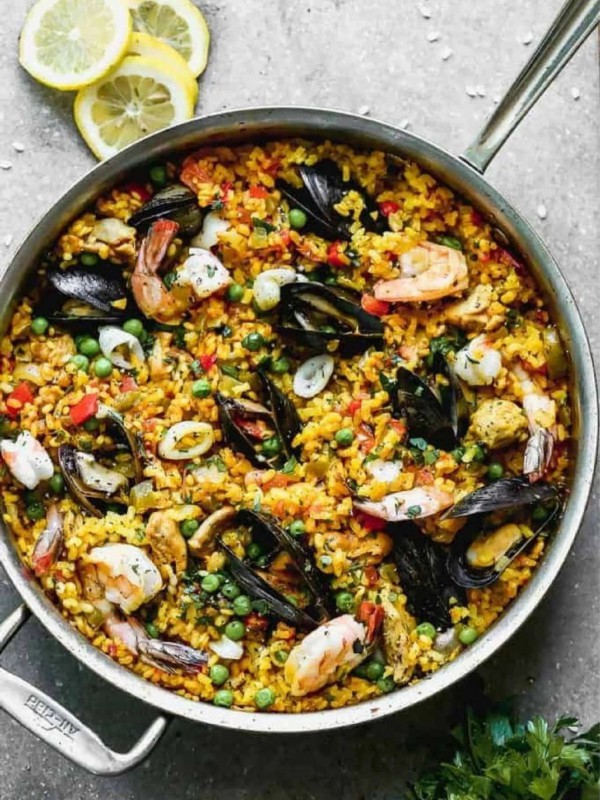
I also incorporate some finely chopped zucchini strips, which adds vegetable fiber while enriching the overall texture of the dish. Remember to add these vegetable substitutes during the final 5 minutes to prevent overcooking and mushiness.
Seafood Selection and Pairing Optimization
Low-carb dieting doesn’t mean sacrificing protein intake. On the contrary, I choose a greater variety of authentic Spanish paella preparation methods seafood to increase nutritional density. Beyond traditional shrimp, mussels, and clams, I also add octopus chunks and scallops, which are high in protein and contain virtually zero carbohydrates.
| Seafood Type | Carbs per 100g | Protein per 100g |
|---|
| Shrimp | 0.2g | 24g |
| Mussels | 3.7g | 20g |
| Octopus | 2.2g | 25g |
| Scallops | 3.2g | 23g |
When purchasing seafood, I recommend choosing fresh over frozen, as fresh seafood provides more intense natural flavors, reducing the need for additional seasonings.
Seasoning Improvements and Spice Application
Traditional paella uses considerable amounts of olive oil, which, while containing healthy fats, still carries significant calories. My approach halves the olive oil quantity and compensates with more saffron, rosemary, and thyme for rice cooker Spanish paella recipes. Saffron, in particular, not only provides the classic golden color but also offers excellent antioxidant properties.
I marinate the seafood in lemon juice for 15 minutes before cooking begins. This technique not only eliminates fishy odors but also ensures the seafood becomes perfectly tender during shorter cooking times, preventing overcooking that destroys nutritional components.
Practical Cooking Insights
Through extensive practice, I’ve found that mastering heat control and timing is crucial. Low-carb paella requires slightly extended reduction time due to the higher water content from vegetables. I typically increase the heat for 2-3 minutes during the final stage to create a light socarrat (crispy bottom layer), maintaining traditional texture while avoiding excessive moisture. The entire preparation process takes approximately 35 minutes, slightly longer than traditional methods, but completely worthwhile.
