I’ve been closely monitoring property price changes across various Spanish small towns recently, and the price differences between regions are truly significant. As someone who has been living in Spanish small towns for rental and property comparison for several years, I’d like to share some patterns and trends I’ve observed.
Geographic Location Determines Base Prices
The geographic location of a town is absolutely the primary factor affecting property prices. Small towns closer to major cities like Madrid or Barcelona generally have higher property prices. For instance, small towns within a 50-kilometer radius of Madrid have average property prices ranging from €1,800-2,500 per square meter, while remote inland towns might only cost €800-1,200, as detailed in this Spanish small town travel budget guide.
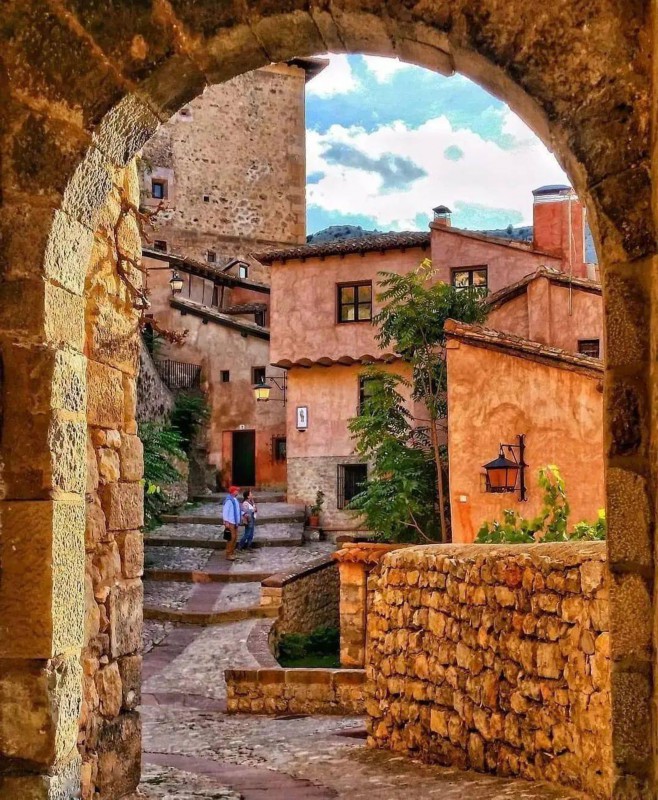
Coastal towns represent another price premium zone. Small towns along the Mediterranean coast, despite their modest size, command relatively high prices due to rich tourism resources. Last year I visited a seaside town in Valencia province where 2-bedroom apartments started at €250,000.
Population Dynamics and Property Price Correlation
Towns with net population inflow maintain stable or rising property prices, while areas experiencing severe population decline see continuous price drops. There’s an interesting phenomenon here regarding Spanish small town attraction tickets:
| Town Type | Population Change | Price Trend | Investment Advice |
|---|
| University town vicinity | Stable growth | Continuous rise | Suitable for long-term investment |
| Industrial transition areas | Gradual decline | Sideways movement | Cautious observation |
| Pure agricultural towns | Rapid decline | Continuous drop | Not recommended for investment |
Young people’s choices significantly influence town vitality. Towns populated only by elderly residents, while environmentally beautiful, have limited property price appreciation potential.
Infrastructure Development Impact
Transportation accessibility is a key factor. Towns with highway connections and railway station coverage have notably higher property prices than those with poor transportation links. Last year’s AVE high-speed rail line extension led to noticeable price increases in several towns along the route.
Medical and educational resources are equally important. Towns with comprehensive hospitals and quality schools better attract families to settle, maintaining relatively stable property prices. I’ve noticed some town governments actively improving these infrastructure facilities, which could signal future price increases.
While Spanish small town property prices are considerably cheaper than major cities, selection should still consider multiple factors comprehensively. I personally recommend focusing on towns with development potential and complete infrastructure, avoiding the pursuit of low prices alone while neglecting living experience and investment value.
