As a wine enthusiast who has lived in Spain for many years, I’ve discovered a fascinating connection between the climate of small towns and wine regions here. Each region’s unique microclimate silently tells the story of its local wines, and understanding Spanish town weather patterns reveals the secrets behind exceptional vintages.
Mediterranean Coast’s Gentle Blessing
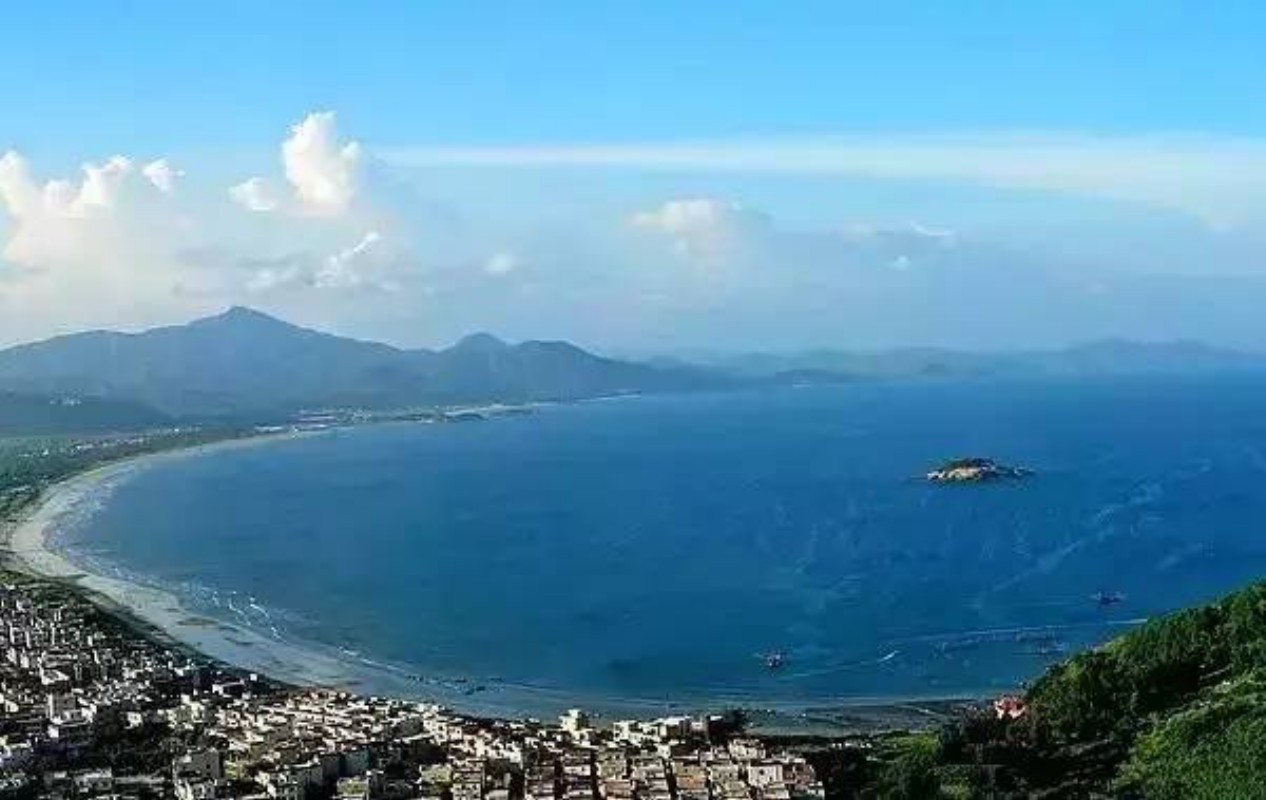
Coastal towns along the Mediterranean enjoy exceptionally favorable climate conditions. Mild winters and hot, dry summers provide ideal growing environments for grapes during the best travel seasons. In Valencia and Murcia regions, average annual temperatures range between 15-18°C, with moderate rainfall concentrated in autumn and winter. This climate pattern is particularly suitable for cultivating heat-resistant varieties like Garnacha and Monastrell.
Inland Plateau’s Day-Night Temperature Advantage
Compared to coastal areas, inland towns like La Mancha and Ribera del Duero exhibit typical continental climate characteristics. Many assume inland conditions are inferior, but actually the significant day-night temperature variations during Spanish town winters become key factors for premium wine production. Abundant daytime sunshine promotes sugar accumulation, while cool nights maintain the grapes’ acidity balance.
| Region Type | Annual Avg Temp | Rainfall | Main Varieties |
|---|
| Mediterranean Coast | 15-18°C | 300-600mm | Garnacha, Monastrell |
| Inland Plateau | 12-16°C | 400-800mm | Tempranillo, Chenin Blanc |
| Northern Green Spain | 13-15°C | 800-1200mm | Albariño, Mencía |
Northern “Green Spain’s” Oceanic Influence
Northern towns in Galicia and Asturias are strongly influenced by the Atlantic Ocean, experiencing abundant year-round rainfall and relatively humid, cool climates. This oceanic climate nurtures unique white wine styles, particularly Albariño whites renowned worldwide for their fresh acidity and mineral characteristics.
Quality Differences Created by Microclimates
Even within the same region, different towns’ microclimates produce significant variations. For instance, in the Rioja region, towns in Álava province have cooler climates due to higher elevations, producing wines with higher acidity and more refined tannins; while towns in lower Rioja areas create fuller-bodied reds due to warmer conditions.
Through years of observation and tasting, I deeply appreciate how Spain’s climatic diversity in small towns forms the foundation of its remarkably rich wine world. Each bottle carries the unique terroir and local character, worthy of our patient exploration and appreciation.
