Just returned from Ronda, this town nestled in the Andalusian mountains is absolutely breathtaking. As the birthplace of modern bullfighting, Ronda not only boasts awe-inspiring natural landscapes but also carries Spain’s most authentic bullfighting cultural traditions, as detailed in this comprehensive Ronda town travel guide.
Ronda’s Geographic Wonders and Historical Origins
Ronda is built on mountain cliffs 760 meters above sea level, divided in two by the Tajo Gorge. This gorge, over 100 meters deep, formed millions of years ago and splits the town into the old and new districts. The New Bridge spans the gorge and has become Ronda’s most famous landmark. This bridge was built in the 18th century, taking 42 years to complete, with a height of 98 meters.
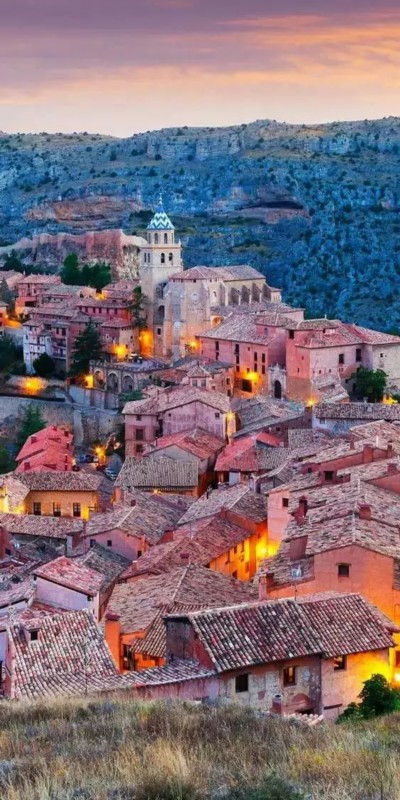
Ronda’s history dates back to Roman times, but its true prosperity began during Moorish rule. The Moors built strong castles and mosques here until it was reconquered by Christians in 1485. This multicultural fusion is vividly reflected in Ronda’s architectural styles.
Birthplace of Modern Bullfighting
Ronda is recognized as the birthplace of modern bullfighting, thanks to the contributions of the Romero family. In the 18th century, Francisco Romero established the basic rules of modern bullfighting, while his grandson Pedro Romero elevated bullfighting to an art form. Ronda’s bullring, built in 1785, is one of Spain’s oldest and most beautiful bullrings.
| Period | Key Figure | Contribution |
|---|
| Early 18th century | Francisco Romero | Established modern bullfighting rules |
| Late 18th century | Pedro Romero | Perfected bullfighting techniques, killed 5,600 bulls in his career |
| 19th century | Antonio Romero | Continued family bullfighting tradition |
Ronda’s bullring has a diameter of 66 meters, built entirely of stone, and can accommodate about 5,000 spectators. Every September during the Pedro Romero Festival, traditional Goya-style bullfighting performances are held here, featuring among the top Ronda attractions, where matadors dress in 18th-century costumes to recreate the golden age of bullfighting.
Cultural Heritage and Modern Legacy
Beyond the Ronda bullfighting tradition, Ronda preserves rich literary heritage. Famous writer Ernest Hemingway once lived here and described the town’s magnificence in his novel “For Whom the Bell Tolls”. Ronda no longer holds regular bullfighting competitions, but special performances still take place during annual festivals.
Ronda’s old town maintains its medieval street layout, with white houses extending along the cliff edges. The Arab Baths, King’s House, Santa María Church and other historic buildings witness this city’s glorious past. Local residents have strong awareness of protecting traditional culture, organizing various cultural activities annually to preserve the bullfighting spirit and Andalusian culture.
