Toledo: A Historic Town Where Time Stands Still
When friends recently asked me about Spain’s most worthwhile historic cultural towns for in-depth exploration, Toledo was the first place that came to mind. This ancient city, located just 70 kilometers from Madrid, is literally a living European history textbook. As a UNESCO World Heritage site, Toledo carries over 2,000 years of historical accumulation, with every stone telling stories of different civilizations.
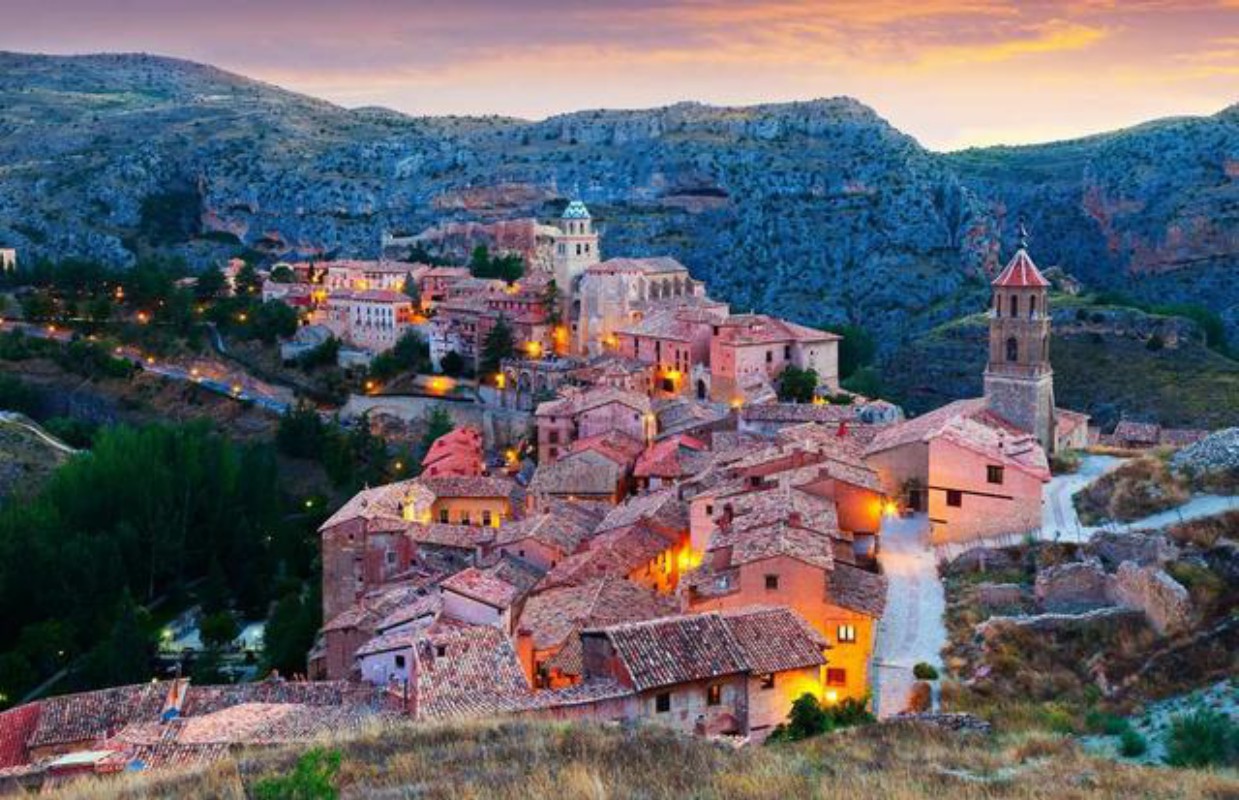
The Cultural Miracle of Three Religions
Toledo’s most fascinating aspect lies in its unique three-culture tradition. During the medieval period, Christianity, Islam, and Judaism coexisted harmoniously here, creating a rare atmosphere of religious tolerance in European history. Walking along Toledo’s cobblestone streets, you can see Gothic cathedrals, Moorish mosque remnants, and ancient synagogues on the same street. This cultural diversity is not only reflected in religious architecture but has deeply influenced local art, crafts, and lifestyle.
| Religious Buildings | Construction Period | Architectural Style |
|---|
| Toledo Cathedral | 13th-15th century | Gothic |
| Santa María la Blanca Synagogue | 12th century | Mudéjar |
| Mosque Remnants | 8th-11th century | Moorish |
A Living Museum of Architectural Art
Toledo’s architectural styles can be called a museum of architectural art. The entire city is surrounded by the Tagus River, forming a natural defensive barrier. The well-preserved medieval street layout within the city makes visitors feel as if they’ve traveled back several centuries. Particularly noteworthy is the Mudéjar artistic style, a unique art form created by Moorish craftsmen under Christian rule, visible in many of Toledo’s buildings with exquisite geometric pattern decorations and horseshoe arches.
A Treasury of Artisan Heritage
Toledo’s traditional crafts are equally breathtaking. The Toledo Cathedral’s damascening gold inlay craft has been passed down for hundreds of years, with artisans weaving beautiful patterns on black steel surfaces using gold wire threads. Additionally, Toledo’s sword-making craft was renowned throughout Europe during medieval times and continues in workshops today. Strolling through the ancient city’s craft shops, each piece embodies the wisdom and skills of generations of craftsmen.
The Unique Charm of Culinary Culture
When discussing Toledo’s culture, one cannot ignore its culinary traditions. Local specialty dishes blend Christian, Islamic, and Jewish cooking traditions, forming a unique flavor system. Toledo marzipan is the most famous local dessert, made with almonds and honey, supposedly originating from the Moorish period. Additionally, local roasted suckling pig and venison are unmissable traditional delicacies that pair perfectly with red wine from the La Mancha region.
Toledo is not just a tourist city but an epitome of Spain’s cultural diversity. Here, you can experience the charm of different civilizations colliding and merging, and feel the unique atmosphere where history and modernity interweave. If you have the opportunity to visit Spain, I strongly recommend dedicating a full day to deeply explore this Toledo Jewish Quarter millennium-old city. I believe you’ll be deeply moved by its profound historical heritage and unique cultural charm.
