Albarracín Town History and Architecture Exploration Guide
I recently visited Albarracín in the Aragon region and was truly amazed by this town’s historical depth and architectural style. This place, acclaimed as one of Spain’s most beautiful towns, is absolutely worth a thorough visit for anyone interested in history and architecture.
Rich Historical Background
Albarracín’s history dates back to the 10th century, when it served as an important Muslim fortress. The town’s name derives from the Arabic “Santa María de Oriente,” known as “Sahla Buniya” during Muslim rule. In the 12th century, it became the capital of the independent Kingdom of Albarracín, ruled by a Berber family. It wasn’t until 1284 that the town was conquered by the Kingdom of Aragon, officially coming under Christian rule.
This complex history has left Albarracín with unique cultural imprints. You can feel the collision and fusion of different civilizations in every corner of the town, where Muslim, Christian, and Jewish cultures coexisted harmoniously, creating a distinctive architectural style and urban layout.
Unique Architectural Features
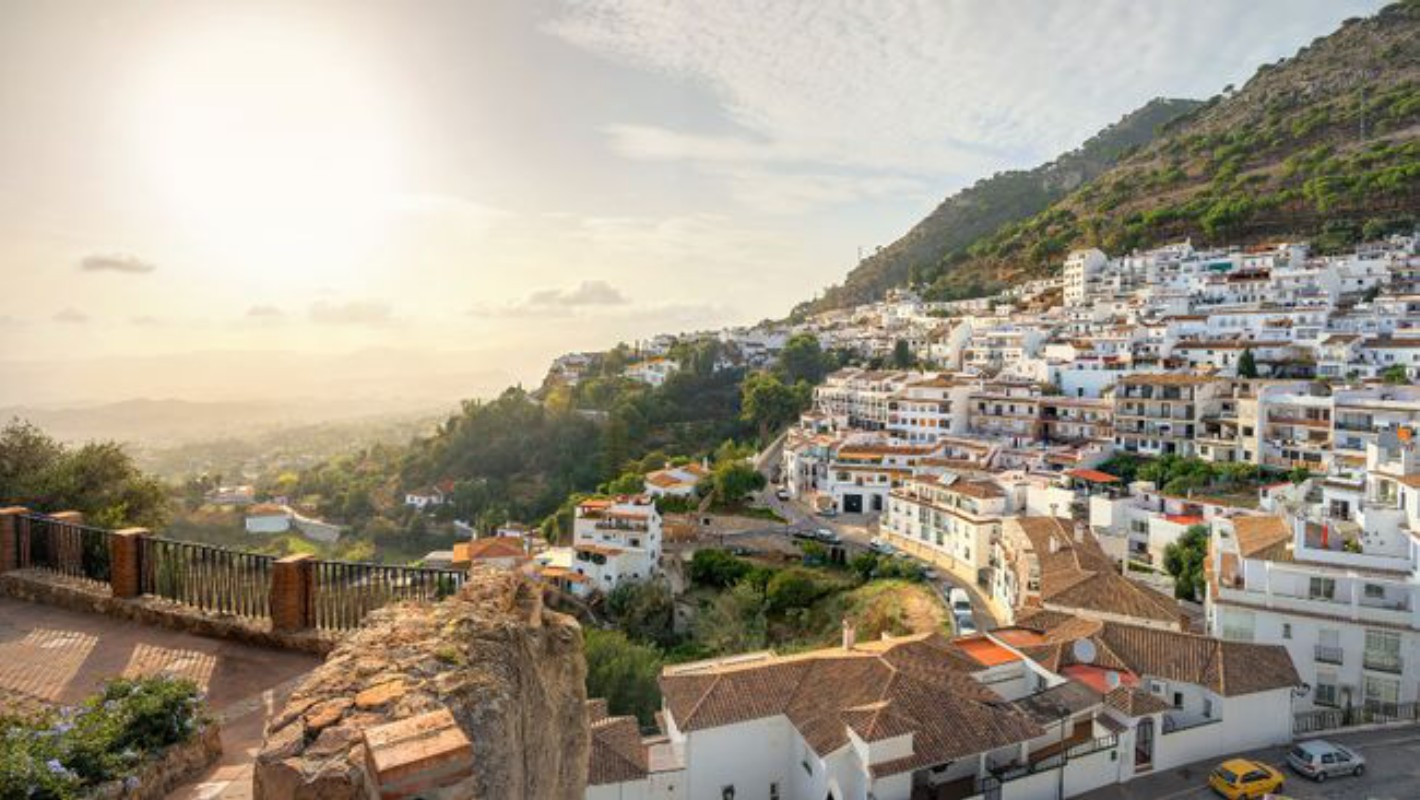
Albarracín’s architectural style is truly a gem in Spanish architectural history. Built on steep hillsides, the houses are constructed following the mountain contours, creating a layered visual effect. What impressed me most were the pink sandstone buildings, which display warm rose-gold hues under sunlight.
| Building Type | Characteristics | Construction Period |
|---|
| City Walls | Mudéjar style, thick and solid | 10th-14th centuries |
| Residences | Wooden balconies, ironwork decoration | 16th-18th centuries |
| Churches | Gothic and Mudéjar blend | 13th-16th centuries |
The town’s streets are extremely narrow and winding, a design that served both defensive purposes and effectively resisted strong mountain winds. Walking on the cobblestone paths with buildings almost within reach on both sides feels like traveling back to medieval times.
Must-See Historical Sites
In Albarracín, the Cathedral is absolutely unmissable. This 16th-century building combines Gothic and Renaissance styles, with luxurious and exquisite interior decoration. The cathedral’s bell tower is the town’s highest point, offering panoramic views of the entire town and surrounding valleys from the top.
Another important historical site is the ancient city walls, these 10th-century defensive fortifications remain well-preserved today. The walls wind along the ridge for approximately 1,200 meters, witnessing the town’s rise and fall over a millennium.
Visiting Recommendations and Practical Information
If you’re planning to visit Albarracín attractions, I recommend allocating at least a full day. Though the town isn’t large, every building deserves careful appreciation. The best visiting times are spring and autumn when the climate is pleasant and lighting is ideal for photography. While summer has more tourists, the long daylight hours give you more opportunities to explore every corner.
The town offers guided tours, which are very helpful for those wanting to understand the historical background in depth. Additionally, there are traditional craft shops where you can purchase local specialty ceramics and ironwork decorations as souvenirs, including the famous Albarracín red walls.
Albarracín is truly a place that makes you want to linger. Whether you’re a history enthusiast or architecture lover, this town will bring you unexpected surprises and rewards.
