Complete Transportation Guide to Besalú Town
I recently visited Besalú, this medieval town located in Girona province of Catalonia, and it’s truly worth a visit. However, when doing research before the trip, I found that transportation information was quite scattered, so I’d like to share my actual experience with everyone.
Public Transportation Options
If departing from Barcelona, I recommend taking the train to Girona first, then transferring to a bus. The train takes about 1 hour and 20 minutes, with tickets ranging from 15-25 euros, and departures are fairly frequent. After arriving at Girona train station, you’ll need to walk about 10 minutes to the bus station to catch the bus to Besalú. Bus schedules aren’t very frequent, so I suggest checking the timetable in advance to avoid long waits.
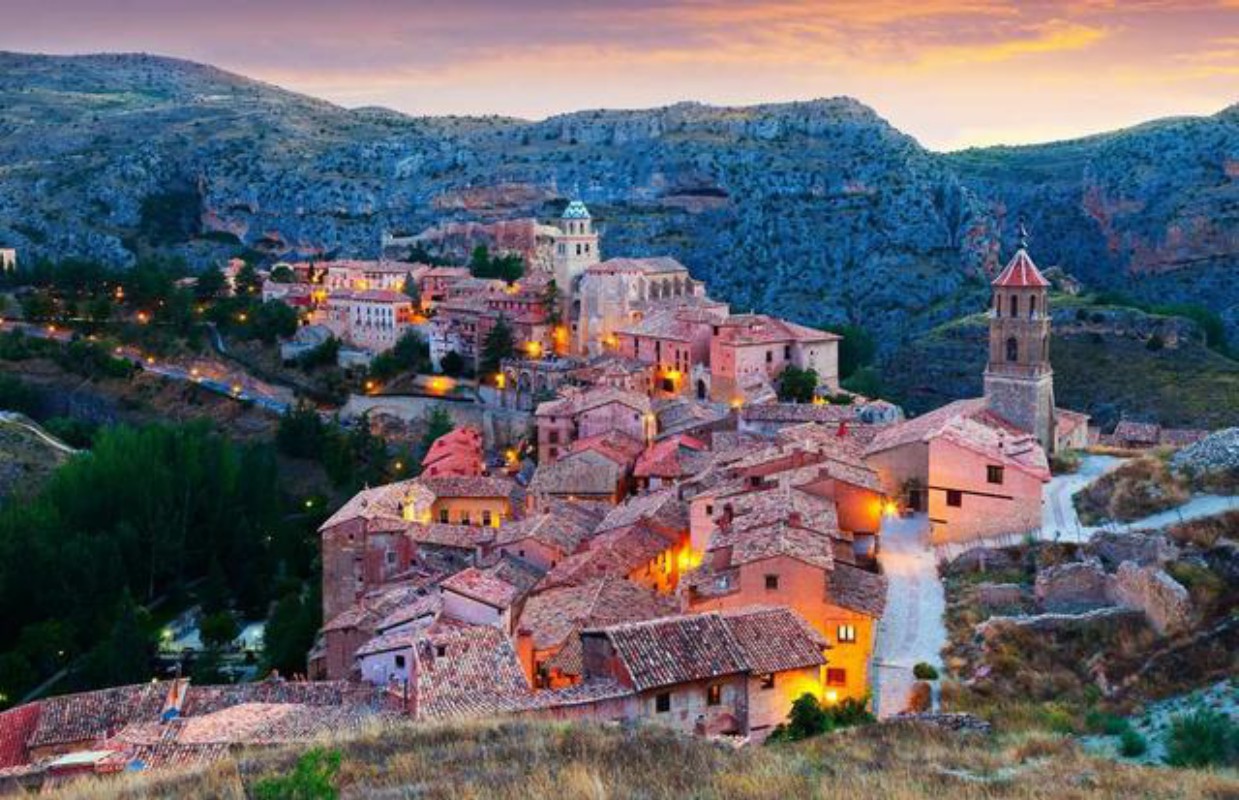
The bus from Girona to Besalú takes approximately 45 minutes, with nice scenery along the way where you can see typical Catalonian countryside views. Weekend schedules are relatively reduced, so if you’re planning a Besalú town tourism weekend trip, pay special attention to timing.
Driving Experience
Driving is my most recommended option for maximum flexibility. From Barcelona, take the AP-7 or C-25 highway, covering approximately 130 kilometers, and under normal conditions, you can reach there in about 1 hour and 40 minutes. Road conditions are generally excellent, though the last few kilometers approaching the town are mountain roads requiring some attention.
| Departure Point | Distance | Estimated Time | Main Route |
|---|
| Barcelona | 130km | 1h 40min | AP-7 to C-25 |
| Girona | 35km | 35min | Direct C-26 |
| Figueres | 50km | 45min | C-26 southbound |
The town has several parking areas, with the main parking lot located near the ancient bridge, reasonably priced and within walking distance to all attractions. During peak season, parking spaces near the Besalú ancient bridge might be tight, so I recommend arriving early.
Walking Tours Within the Town
Besalú is quite small, and you can basically walk to all major attractions on foot. Starting from the famous Romanesque bridge, you can follow the cobblestone paths to reach Santa Maria Church, Jewish bath ruins, and other sites. I was initially worried it would be tiring, but actually the entire tour route is very relaxing, taking about 2-3 hours to see the main attractions.
It’s worth mentioning that the town’s street design is very distinctive, maintaining its medieval appearance. Although some sections of the Besalú attractions routes are quite steep, they’re all paved with non-slip stones, ensuring safety. I recommend wearing comfortable walking shoes, and being extra careful on rainy days.
Besalú’s transportation is quite convenient, and whichever method you choose, you can reach there smoothly. Personally, I feel driving is the best option, but if driving isn’t convenient, public transportation is completely viable - it just requires spending more time on the road.
